Wholesale Respiratory Devices for Chile
FDA-registered Resvent ventilators, CPAP/BiPAP systems, and oxygen concentrators with ISP registration support and San Antonio port access.
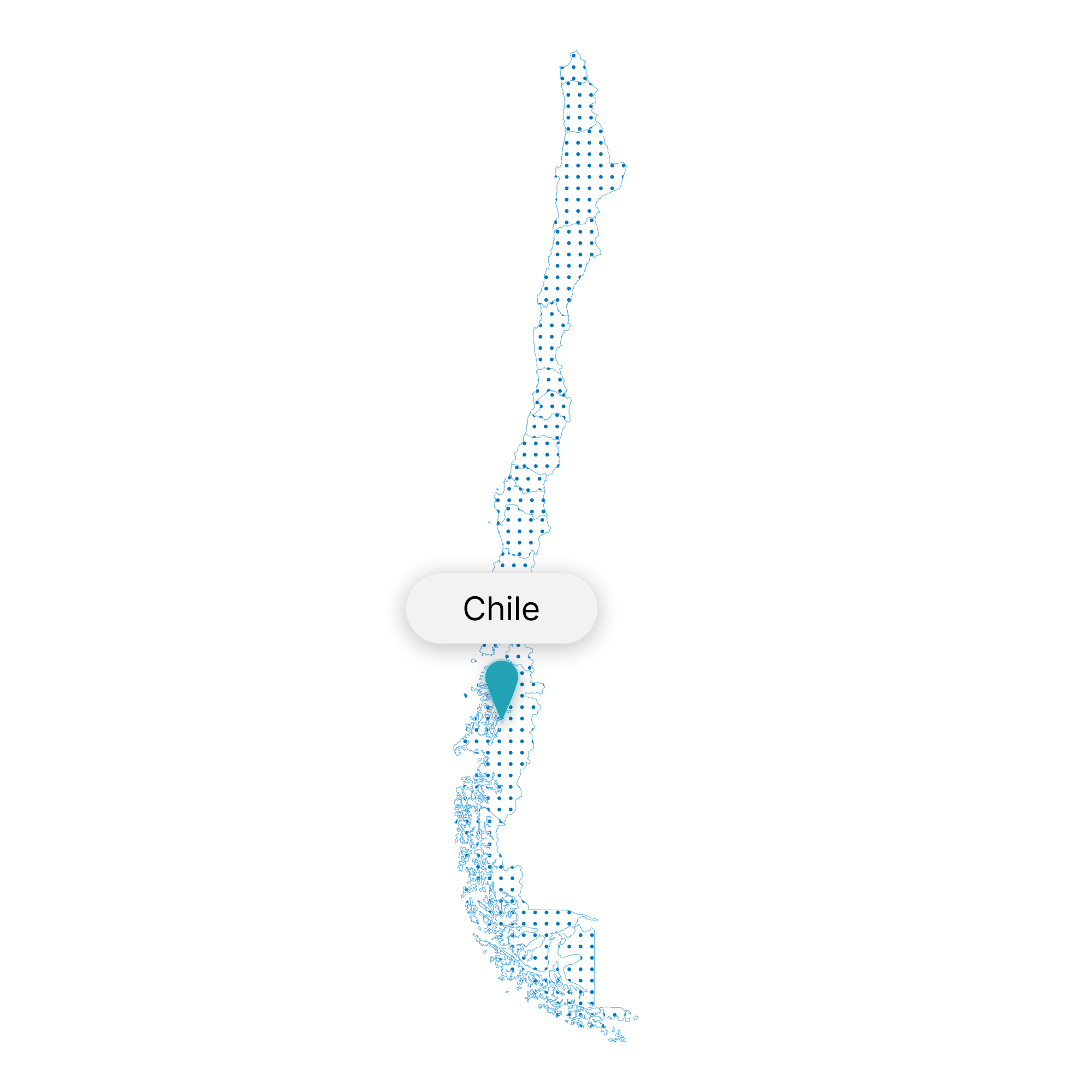
Healthcare spending above the OECD average, with winter respiratory surges driving consistent institutional procurement.
Chile allocates 10.5% of GDP to healthcare — above the 9.3% OECD average. Respiratory diseases spike during winter months, frequently exceeding public hospital capacity in Santiago and Concepción, driving consistent ventilator, CPAP, and oxygen concentrator procurement.
Respiratory Equipment for Institutional Buyers
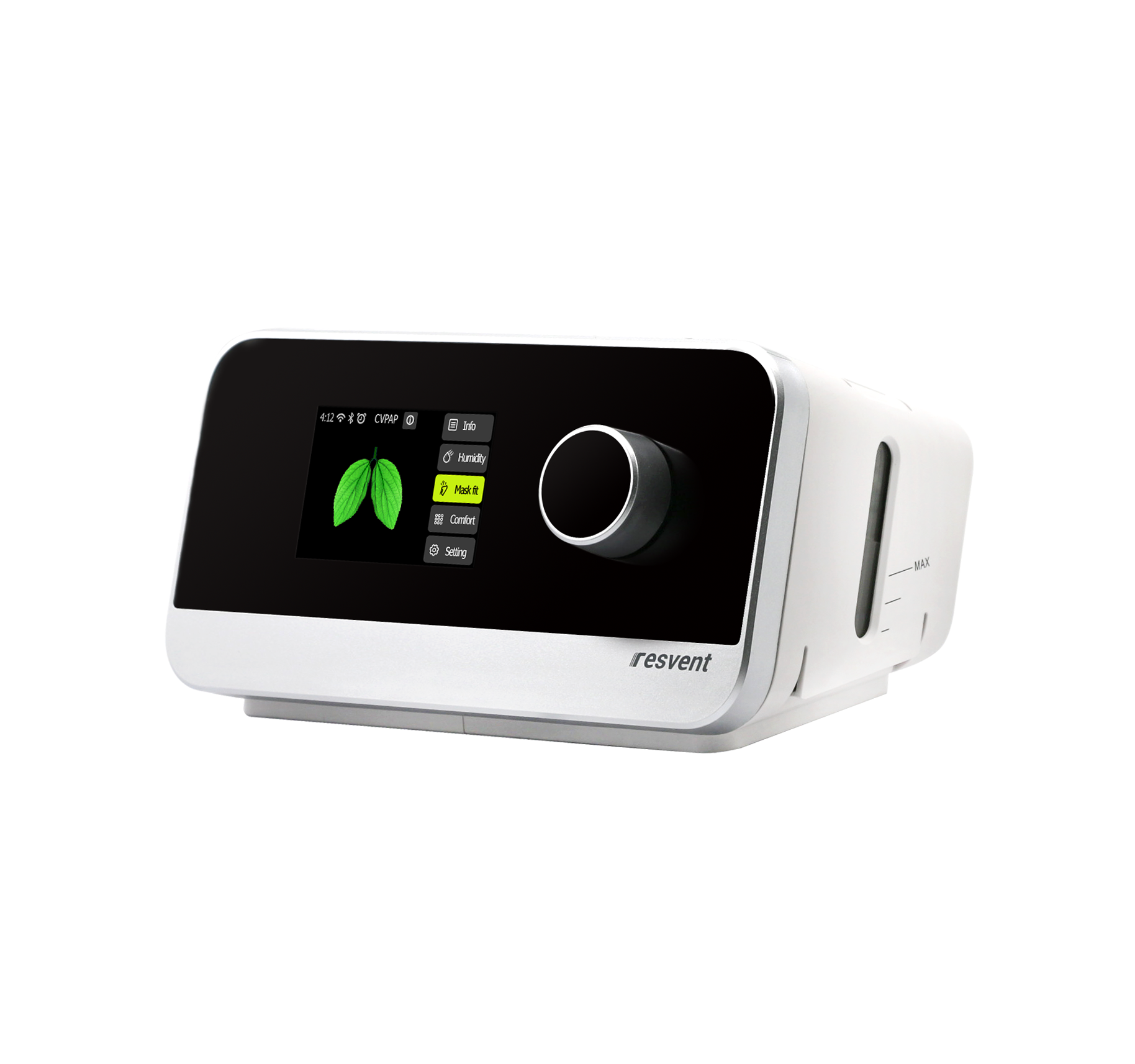
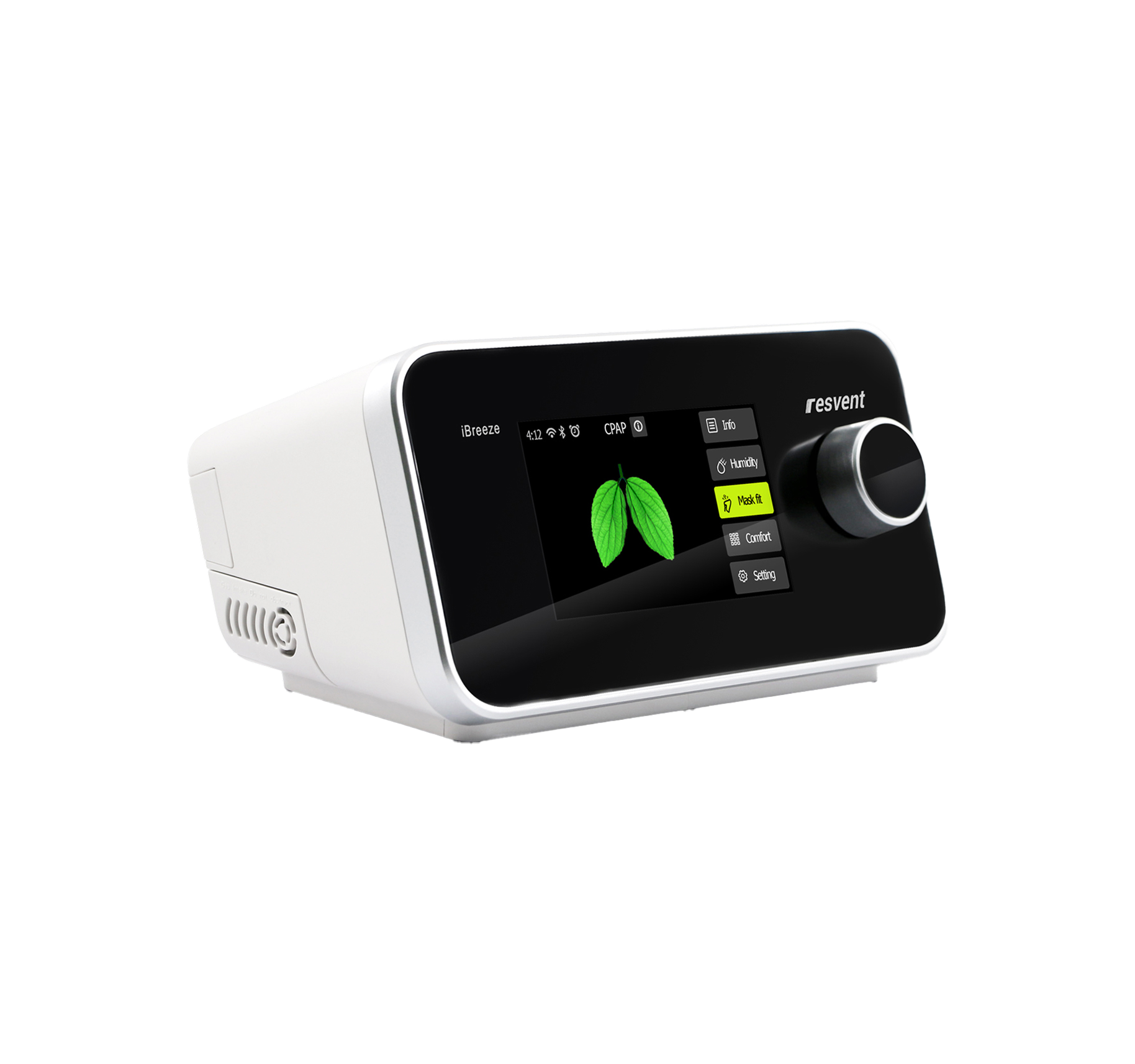
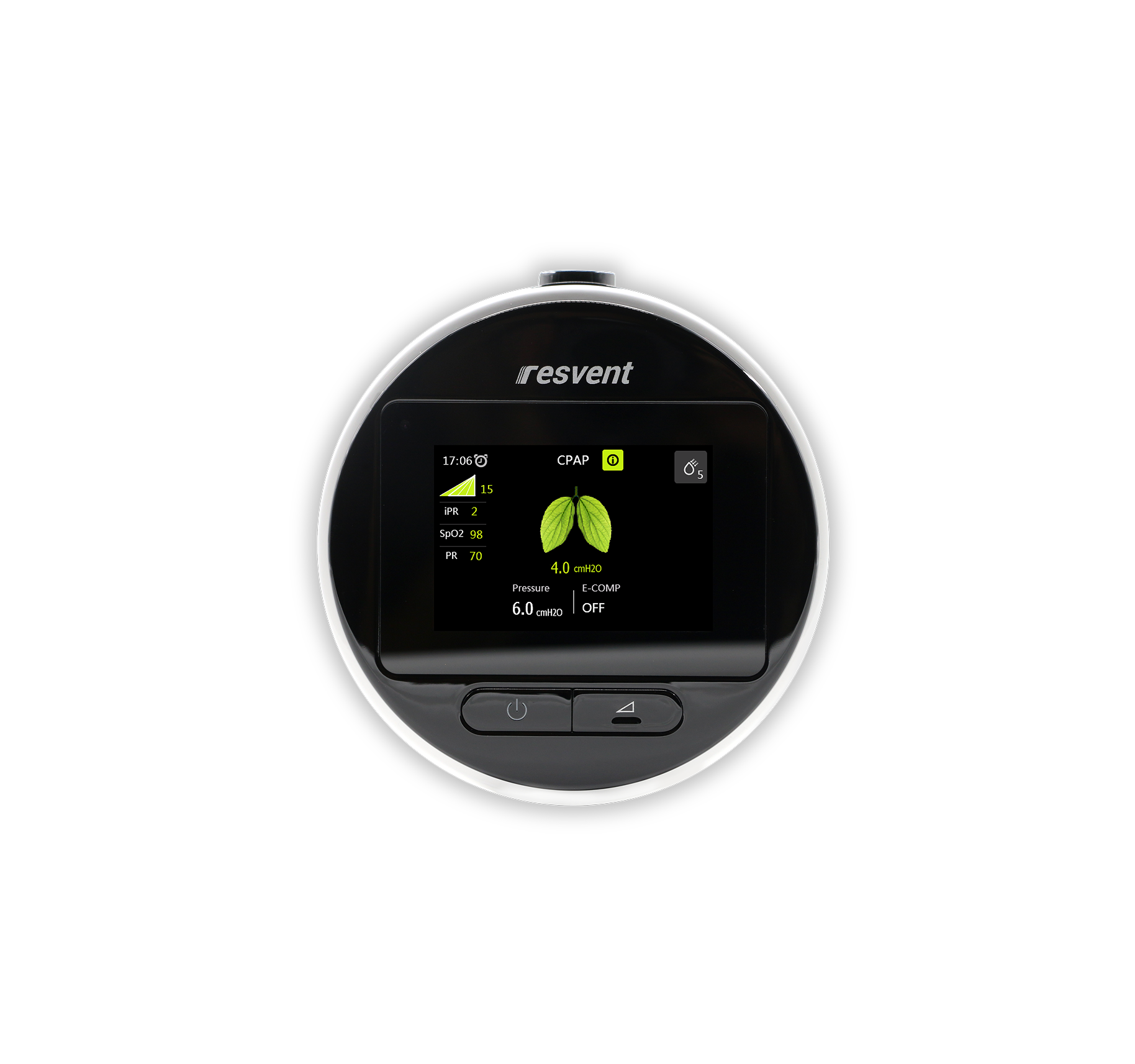
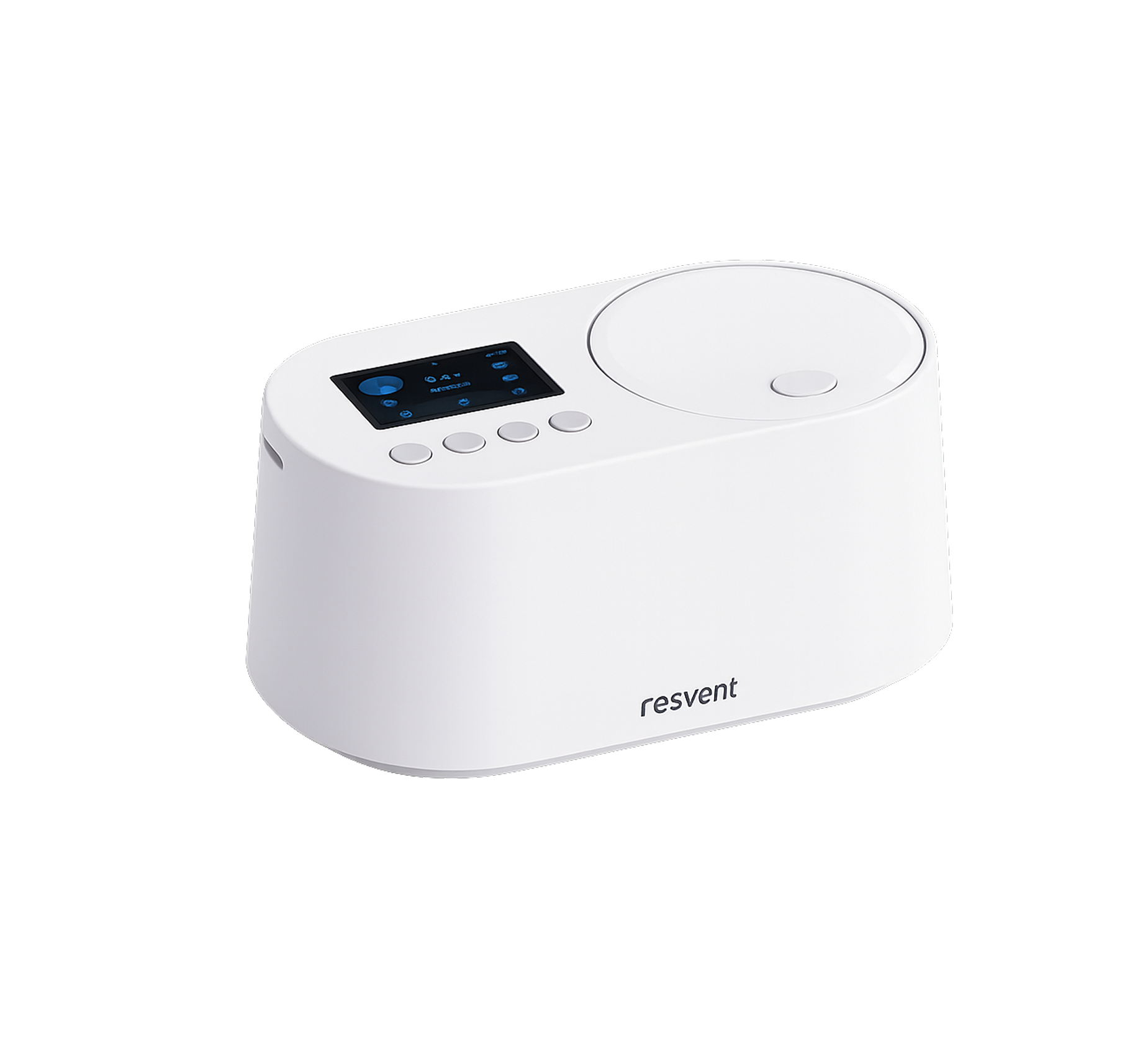
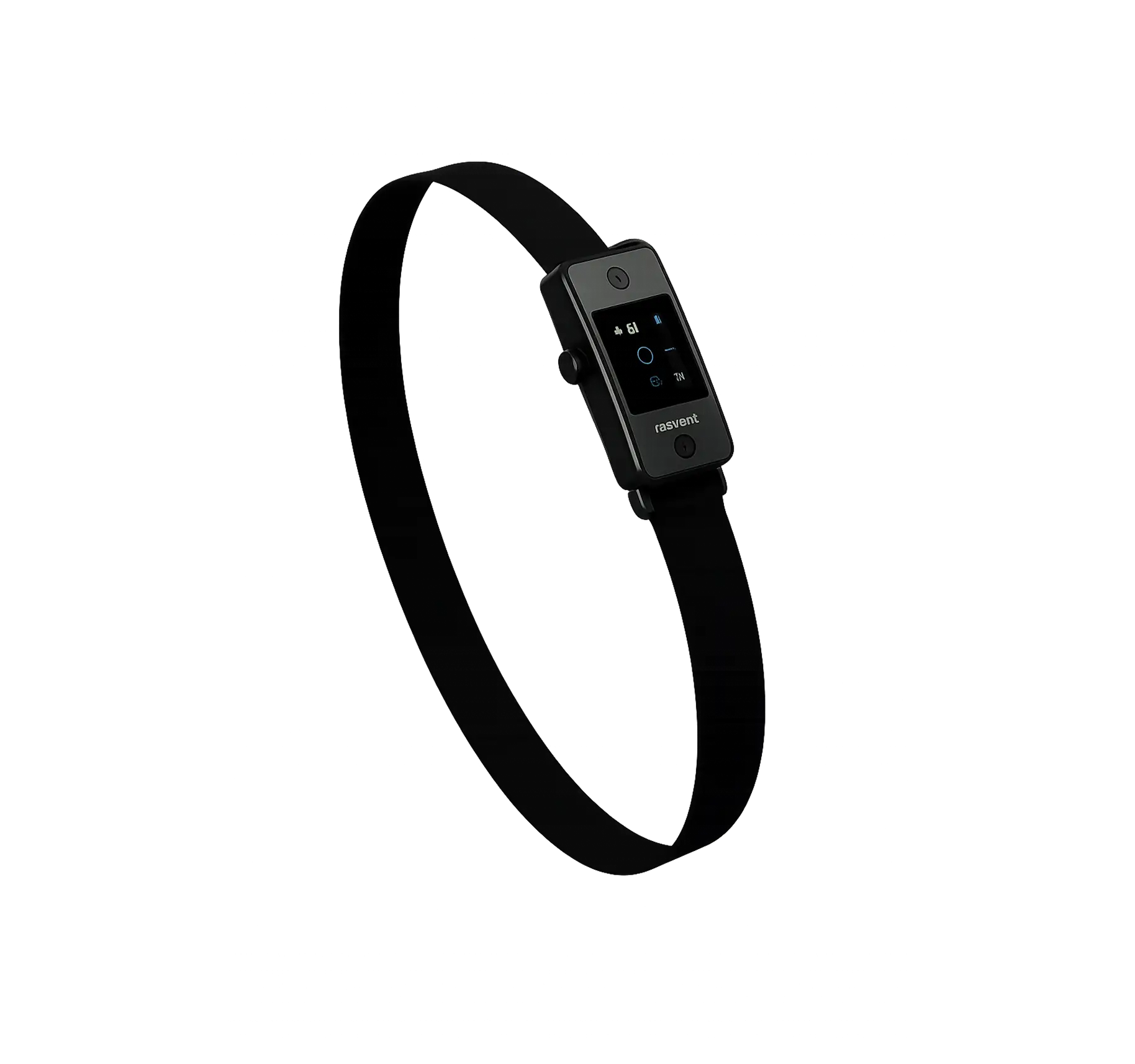
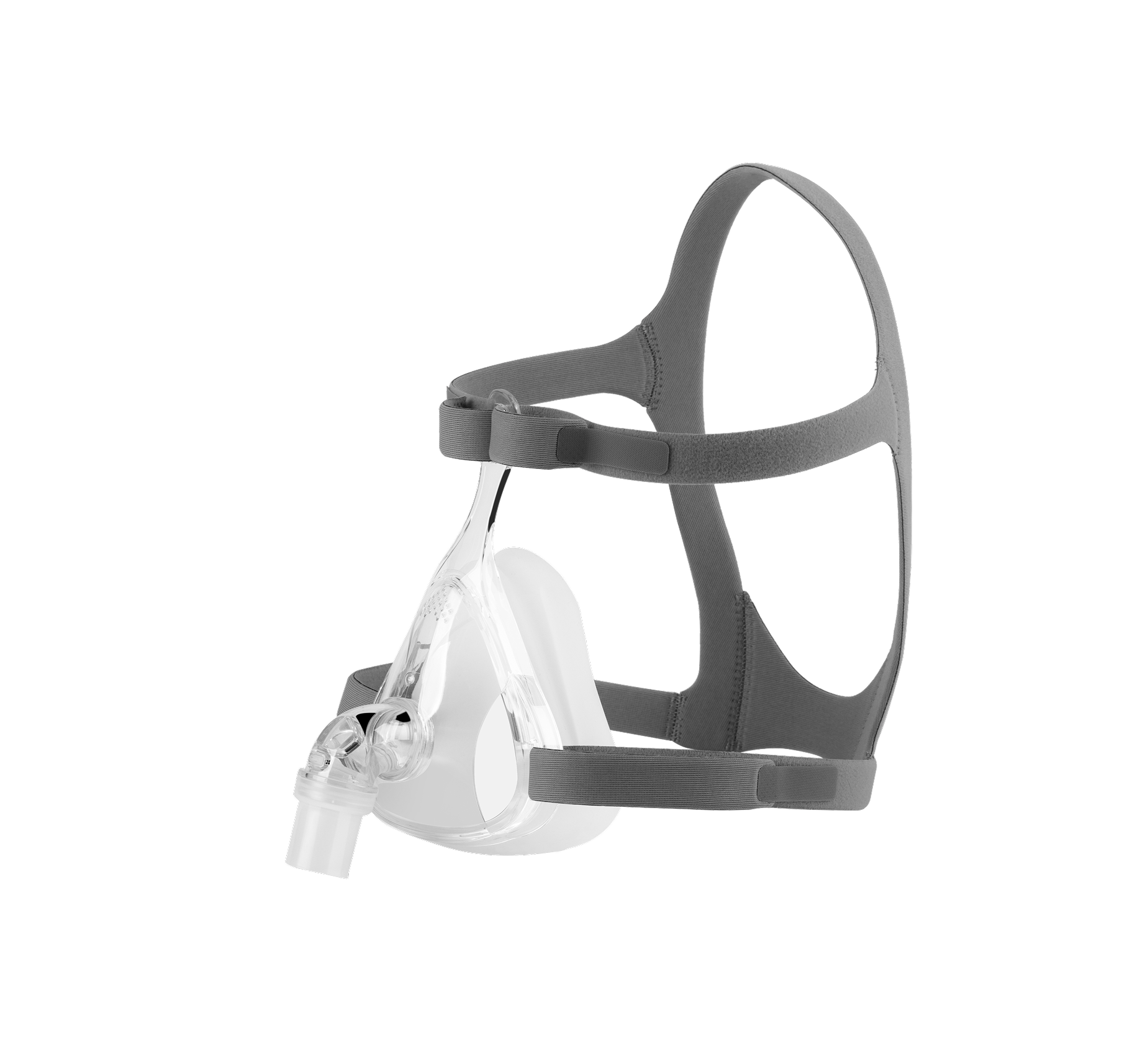
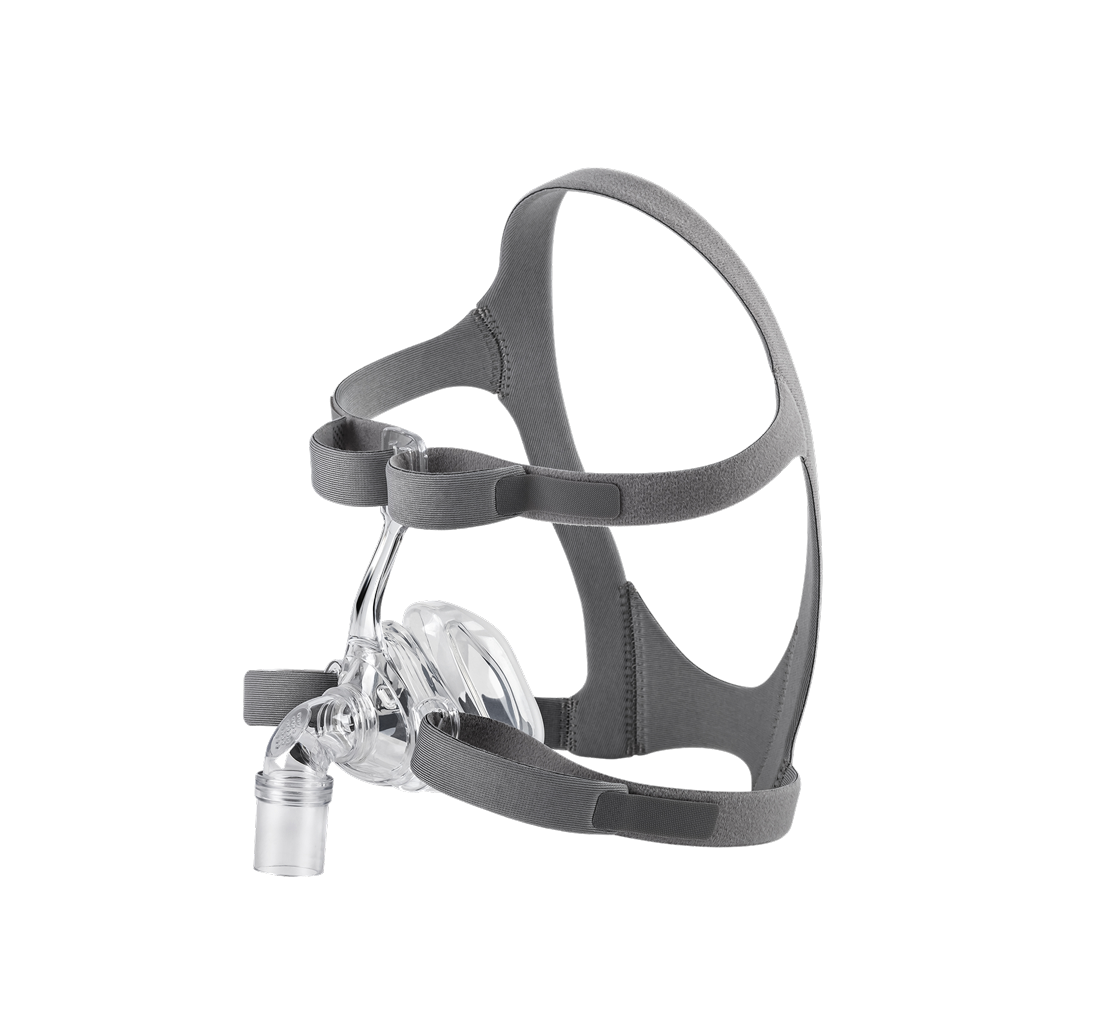

ISP Device Registration
Chile's ISP (Instituto de Salud Pública) operates a well-structured regulatory framework closely aligned with international standards — which works in favor of FDA-cleared devices. Registration is submitted through the ANDID-001 form, requires an Authorized Body for conformity assessment, and typically takes approximately 75 working days from submission. Filing fees are roughly USD 350. All Resvent respiratory devices hold active ISP registrations.
Required documentation includes: Certificates of Free Sale, FDA 510(k) summaries, ISO 13485 quality system certificates, device risk analysis (ISO 14971), and instructions for use translated to Chilean Spanish. Chile's regulatory alignment with IMDRF (International Medical Device Regulators Forum) means that well-prepared FDA submissions translate relatively cleanly into ISP filings — fewer surprises, fewer requests for additional information.
Southern Cone Logistics & Customs
Chile is the farthest LATAM market from Miami, and that distance shapes route selection. Ocean freight serves San Antonio and Valparaíso; air freight to Santiago SCL cuts transit to 2–5 days for urgent orders at higher per-unit cost. Standard lead time runs 1–2 weeks for oxygen concentrators and 2–3 weeks for PAP devices, subject to route and clearance.
Customs clearance through Chile's Servicio Nacional de Aduanas is generally efficient and predictable — one of the more transparent processes in the region. SysMed provides pre-formatted export documentation including commercial invoices, certificates of origin, and harmonized tariff classifications. Applicable duties and taxes depend on each device's HS classification and country of manufacture.
Navigating FONASA, ISAPRE & CENABAST Procurement
Chile's dual public-private financing system creates two distinct demand channels. On the public side, FONASA covers approximately 78% of the population, and device procurement for public hospitals is increasingly centralized through CENABAST (Central de Abastecimiento del Sistema Nacional de Servicios de Salud). CENABAST tenders follow structured timelines and documentation requirements. On the private side, ISAPRE plans cover higher-income segments, and private clinic groups run independent purchasing with faster decision cycles.
SysMed supports Chilean distributors with bilingual account management, ISP renewal coordination, and clinical training materials for respiratory therapy departments. We help partners position for both CENABAST tenders and private-sector supply agreements across Santiago (which concentrates roughly 30% of national hospital capacity), Valparaíso, and Concepción.
SysMed powers smarter respiratory care
Regulatory Compliance & Certifications
Cloud-Connected for Value-Added Services
20+ Years of Experience in LATAM Markets
How to Order from SysMed USA
Request Your Quote
Tell us your product requirements, order volume, and destination country.
Receive Compliance Documentation
We provide the technical specifications, FDA and CE certifications, and registration documents your regulatory and procurement teams need to approve the purchase.
Coordinate Logistics and Delivery
We manage export documentation and shipping to your country, with clear lead times and customs guidance for every LATAM market we serve.
Get Training and After-Sales Support
Your team receives product training, technical documentation, and ongoing support from first deployment through the full equipment lifecycle.
Frequently Asked Questions
What is CENABAST and how does it centralize medical device procurement in Chile?
CENABAST (Central de Abastecimiento del Sistema Nacional de Servicios de Salud) is Chile's centralized public procurement agency for healthcare supplies. It purchases medical devices, pharmaceuticals, and equipment on behalf of the public hospital network, consolidating demand into large-volume national tenders.
For respiratory device distributors, CENABAST tenders represent the highest-volume public-sector opportunity in Chile. The process follows structured timelines with specific documentation and pricing requirements. On the private side, ISAPRE plans and private clinic groups run independent purchasing with faster decision cycles. SysMed helps distributors prepare for both tracks — CENABAST tender documentation and private-sector supply proposals.
What customs documentation is required for medical device imports into Chile?
Clearance through Chile's Servicio Nacional de Aduanas is one of the more transparent and predictable processes in the region, provided the paperwork is right. SysMed provides pre-formatted commercial invoices, certificates of origin, packing lists, and harmonized tariff classifications with every shipment, alongside active ISP registration references for each device.
Applicable duties and taxes depend on each device's HS classification and country of manufacture. Your customs broker uses the classification and origin documentation we supply to confirm current duty treatment and calculate landed cost before the shipment arrives.
How does Chile's ISP alignment with IMDRF standards benefit FDA-cleared device importers?
Chile's ISP is a member of the IMDRF (International Medical Device Regulators Forum), which harmonizes regulatory requirements across participating countries including the U.S., EU, Japan, Australia, and Canada. In practice, this means the technical documentation format ISP expects closely mirrors what FDA and other IMDRF members require.
For importers with FDA-cleared devices, the benefit is concrete: your existing FDA submission materials — 510(k) summaries, quality system evidence, risk management files — translate into ISP filings with minimal reformatting. Fewer information requests during review, fewer document gaps, and faster time to registration. This isn't the case in markets with less internationally aligned regulatory systems.
How does Chile's ISP registration process work for FDA-cleared respiratory devices?
Registration is submitted through the ANDID-001 form and requires an Authorized Body for conformity assessment. The ISP typically processes submissions in approximately 75 working days, with filing fees around USD 350. Chile's alignment with IMDRF (International Medical Device Regulators Forum) standards means FDA-prepared documentation translates cleanly — fewer information requests and fewer surprises during review.
Required documents: Certificates of Free Sale, FDA 510(k) summaries, ISO 13485 quality system certificates, device risk analysis (ISO 14971), and IFUs translated to Chilean Spanish. SysMed provides the complete ISP submission package with all Resvent products pre-documented.
What route options are available for shipments to Chile, and how should distributors plan around them?
Chile is the farthest LATAM market from Miami, so route selection matters more here than anywhere else in the region. Ocean freight to San Antonio or Valparaíso is the cost-effective option for planned inventory replenishment. Air freight to Santiago SCL delivers in 2–5 business days at higher per-unit cost, making it viable for urgent orders or low-volume, high-value shipments.
Standard lead time runs 1–2 weeks for oxygen concentrators and 2–3 weeks for PAP devices. SysMed works with Chilean partners on demand forecasting to align order timing with delivery windows and avoid stockouts during winter respiratory surges.
Ready to Supply Your Facilities in Chile?
Get wholesale pricing, ISP registration guidance, and logistics support from our LATAM specialists.