CPAP Masks: Types, Fit and Nasal vs Full Face
CPAP masks are the interface between a CPAP, APAP or BiPAP device and a sleep apnea patient, delivering pressurized air through the nose or the nose and mouth. The main types are nasal pillows, nasal, full face (oronasal) and hybrid masks, chosen by breathing pattern, sleep position and prescribed pressure.
Available models
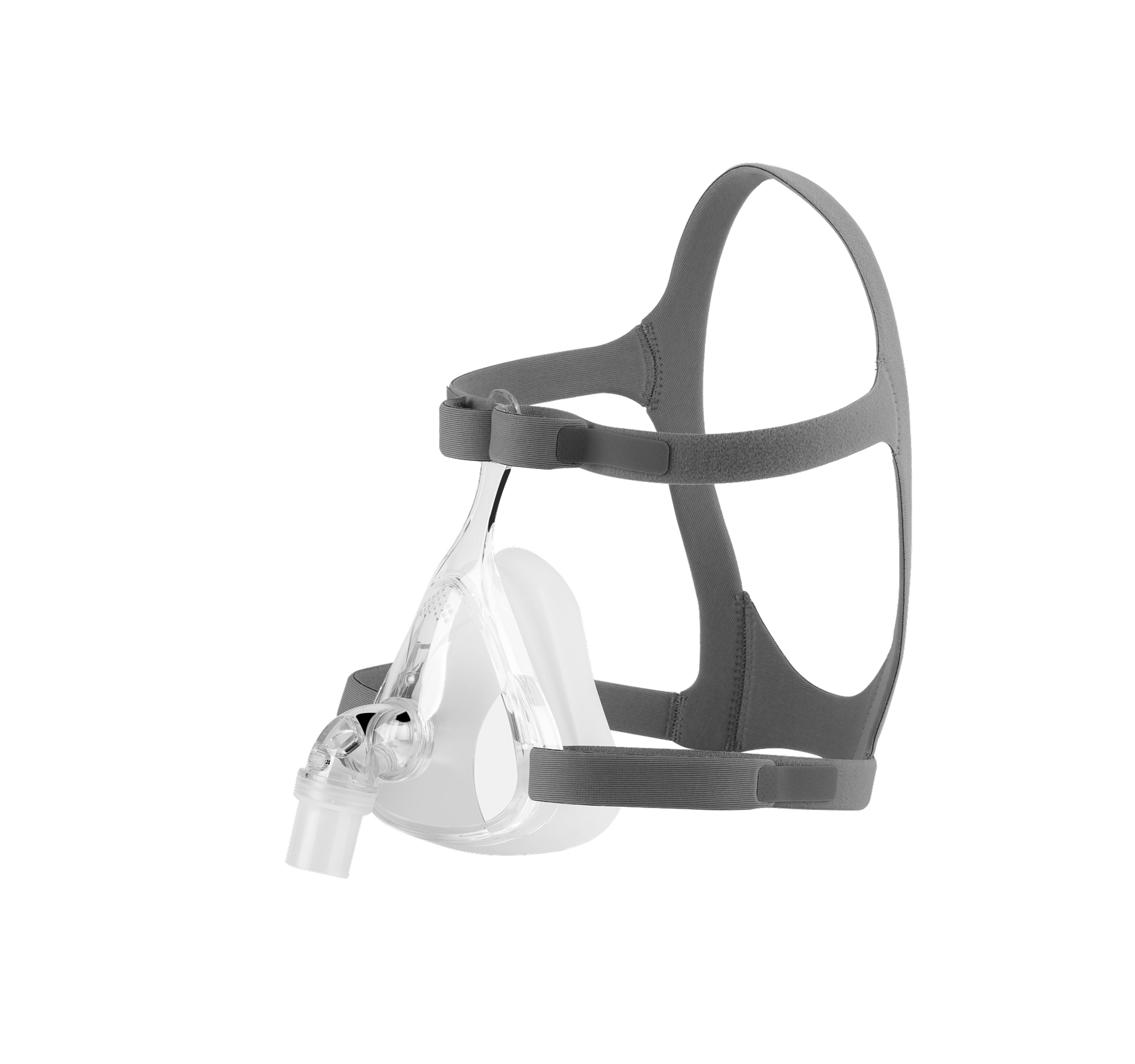
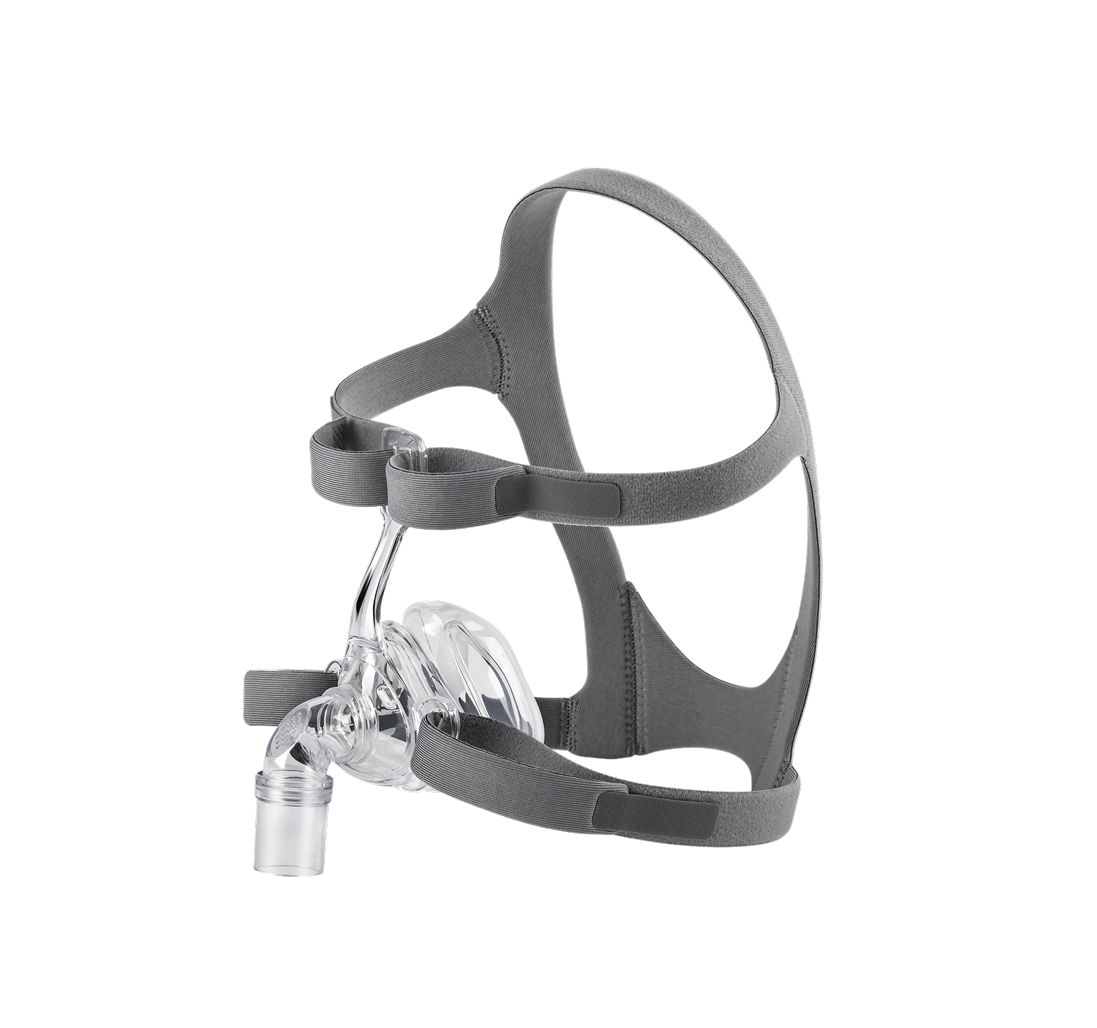
CPAP mask buying guide
Equipping a hospital, homecare program or distribution network?
Request a wholesale quoteThe mask decides whether a patient actually uses CPAP all night. A well titrated device loses its benefit if the mask leaks, hurts or feels confining. CPAP, APAP and BiPAP therapy require a medical prescription, and the mask type and size should be confirmed by the sleep physician or respiratory therapist during fitting.
Parts of a CPAP mask
Every mask has a silicone cushion that seals against the skin, a frame that holds it, adjustable headgear, and an elbow with an exhalation vent. Air flowing out of the vent is normal and is not a leak.
Types of CPAP masks
There are four CPAP mask types, and each one trades facial contact against seal stability.
Nasal pillow masks
Two small pillows seal at the opening of each nostril. They have the least facial contact, so they are often chosen for claustrophobia, beards and mustaches, or patients who read or wear glasses in bed. They are not the first choice for mouth breathers, and some patients find them less comfortable at higher pressures. SysMed does not currently carry a nasal pillow mask.
Nasal masks
A single cushion covers the whole nose. It is the usual starting point for nose breathers and works well for side sleepers thanks to its low profile. The iRiFiT N300 nasal mask uses a soft silicone cushion with an adaptive nasal wing structure and a quiet swallowtail diffuser.
Nasal pillow vs nasal mask
Nasal pillows sit at the nostrils, while a nasal mask seals around the nose. Pillows feel lighter and keep the field of vision open; a nasal mask spreads pressure over a larger area, which many patients find more stable when they move at night. Neither one solves persistent mouth breathing on its own.
Full face (oronasal) masks
The cushion covers the nose and mouth, so the seal holds even if the mouth opens during sleep. This is the standard option for mouth breathers, frequent nasal congestion and higher pressures such as BiPAP. The iRiFiT F300 full face mask has an adaptive "V" rebound silicone cushion, soft fabric headgear and an anti-asphyxia valve.
Hybrid masks
A hybrid combines a mouth cushion with nasal pillows or an under the nose cushion. It keeps the nasal bridge free for mouth breathers who do not tolerate a traditional full face mask. SysMed does not currently carry hybrid masks.
How to choose the right CPAP mask
- Best CPAP mask for mouth breathers: a full face mask, or a hybrid.
- Side sleepers: a low profile nasal mask or nasal pillows. See our guide to the best CPAP mask for side sleepers.
- High pressures or BiPAP: a full face mask. Learn more in what is a BiPAP machine.
- Claustrophobia or facial hair: nasal pillows or a low profile nasal mask.
Sizing and fit
Use the manufacturer's sizing guide, then confirm the fit with the device running at the prescribed pressure and the patient lying in their usual sleep position. The N300 and F300 include S, M and L cushions in every unit, so fitters can try sizes in the same visit.
Leaks and skin marks
Overtightening the headgear does not fix a leak: it folds the cushion, leaves red marks on the nose or cheeks and can open new leaks. The usual causes are the wrong size, a worn or oily cushion, and an open mouth with a nasal mask. Tighten the straps only until the mask seals, and review the size if the leak persists.
Compatibility with CPAP and BiPAP devices
The N300 and F300 connect to any standard PAP device with 22 mm tubing: CPAP, APAP or BiPAP, from any brand. One mask inventory can therefore serve a mixed device fleet.
Cleaning and replacement schedule
Common practice is to clean the cushion daily and wash the headgear and frame weekly, following the manufacturer's manual. As a reference, the US Medicare schedule replaces:
- Nasal cushions and nasal pillows: every 2 weeks.
- Full face cushions: every month.
- Mask frames: every 3 months.
- Headgear: every 6 months.
Replace any part sooner if it hardens, tears or stops sealing.
Buying CPAP masks for institutions
For hospitals, clinics and homecare providers, masks are a recurring consumable, not a one time purchase. Plan three things:
- Size mix per order: each N300 and F300 ships with S, M and L cushions, so new masks are planned by type and the size mix is concentrated in replacement cushions.
- Consumable replacement programs: forecast cushions, headgear and frames per active patient from the replacement schedule. N300 and F300 replacement cushions are sold separately in bulk.
- Regulatory status: confirm the current sanitary registration in each country (COFEPRIS, INVIMA, ISP, ANMAT or DIGEMID). iRiFiT masks are made by Resvent, CE marked and manufactured under ISO 13485. See why FDA and CE certifications matter.
Pair nasal and full face masks with iBreeze device orders to deliver a complete therapy setup. Request a wholesale quote with the volume and size mix you need.
CPAP mask types compared
| Mask type | Covers | Best for | Pros | Considerations | SysMed model |
|---|---|---|---|---|---|
| Nasal pillows | Nostril openings (two pillows) | Claustrophobia, beards, reading or glasses in bed | Least facial contact, very light | Not for mouth breathers; some patients tolerate higher pressures less well | Not stocked |
| Nasal mask | Whole nose, single cushion | Nose breathers, side sleepers, first mask | Stable seal, low profile | Mouth must stay closed; nasal congestion makes it harder to use | iRiFiT N300 (S, M and L cushions; 22 mm connection) |
| Full face (oronasal) | Nose and mouth | Mouth breathers, nasal congestion, higher pressures and BiPAP | Seals even when the mouth opens | More contact area; leaks if the size is wrong | iRiFiT F300 (S, M and L cushions; 22 mm connection) |
| Hybrid | Mouth plus nasal pillows or an under the nose cushion | Mouth breathers who want the nasal bridge free | Open field of vision, no pressure on the nasal bridge | Fit under the nose is more delicate | Not stocked |
How much does a CPAP mask cost?
Public retail ranges by country. SysMed USA quotes by volume and does not publish prices.
Need volume pricing with CE and ISO 13485 documentation?
Request a wholesale quoteIn Latin American online stores, a nasal CPAP mask costs roughly USD 20 to 200 and a full face (oronasal) mask roughly USD 40 to 235, depending on brand, model and country. These are the public retail ranges we found:
| Country | Nasal mask | Full face mask |
|---|---|---|
| Mexico | MXN 750 to 3,200 (about USD 41 to 175) | MXN 900 to 4,300 (about USD 49 to 235) |
| Colombia | COP 170,000 to 460,000 (about USD 51 to 139) | COP 170,000 to 610,000 (about USD 51 to 184) |
| Chile | CLP 20,000 to 195,000 (about USD 21 to 200) | CLP 40,000 to 196,000 (about USD 41 to 201) |
| Argentina | ARS 53,000 to 270,000 (about USD 35 to 177) | ARS 65,000 to 310,000 (about USD 43 to 204) |
| Peru | PEN 150 to 390 (about USD 43 to 113) | PEN 190 to 650 (about USD 55 to 188) |
What drives the price
- Brand and model: at the same Chilean store, a value nasal mask lists at CLP 19,890 and a premium nasal model at CLP 194,990.
- Mask type: full face masks and premium minimal contact designs sit at the top of each range.
- Sizes included: single size boxes versus fit packs with several cushion sizes.
- Import costs, taxes and exchange rates in each country.
- Bundles: some stores sell the mask together with a CPAP device, which makes comparisons harder.
Cushions, headgear and frames are also sold separately as replacement parts, so yearly cost depends on the replacement schedule as well as the mask price.
Reference ranges from online stores, October 2026. Public prices as listed by each retailer; USD conversions are approximate, at exchange rates of October 2, 2026. The Peru range comes from a single specialist store. These are not SysMed USA prices.
Buying for a hospital, clinic, homecare company or distribution network? SysMed USA supplies the iRiFiT N300 nasal mask and the iRiFiT F300 full face mask at wholesale. Request a wholesale quote with your volume and size mix.
Frequently asked questions
Need volume pricing or import documents for your country?
Request a quoteWhat type of CPAP mask is best?
There is no single best CPAP mask: the right one is the type the patient keeps on all night without leaks. A nasal mask is the usual starting point for people who breathe through the nose, and it suits side sleepers. A full face (oronasal) mask is the better choice for mouth breathers, frequent nasal congestion or higher pressures such as BiPAP. Nasal pillows give the least facial contact and help with claustrophobia or facial hair.
The prescribing physician or respiratory therapist should confirm the type and size during fitting. SysMed USA supplies the iRiFiT N300 nasal mask and the iRiFiT F300 full face mask.
What is the best CPAP mask for mouth breathers?
For mouth breathers, a full face (oronasal) mask is usually the best fit because it seals over both nose and mouth, so air does not escape when the mouth opens during sleep. A hybrid mask, which covers the mouth and seals under the nose, is an alternative for patients who want less contact on the nasal bridge. Some patients use a nasal mask with a chin strap, but that decision belongs to the sleep specialist.
The iRiFiT F300 covers nose and mouth with an adaptive "V" rebound silicone cushion and ships with S, M and L cushions in each unit.
How often should you replace a CPAP mask?
Follow the manufacturer's instructions first. A widely used reference is the US Medicare replacement schedule: nasal cushions and nasal pillows every 2 weeks, full face cushions every month, mask frames every 3 months and headgear every 6 months. Replace any part sooner if the silicone hardens, tears or no longer seals, or if the headgear loses its stretch.
Clinics and homecare providers can turn these intervals into a consumables program per patient. Replacement cushions for the iRiFiT N300 and F300 are available separately in bulk from SysMed USA.
How do I choose the right CPAP mask size?
Start with the manufacturer's sizing guide, then confirm the fit with the device running at the prescribed pressure and the patient lying in their usual sleep position. The right size seals with the headgear only snug: if the straps have to be overtightened to stop a leak, the size or the cushion is wrong.
The iRiFiT N300 and the iRiFiT F300 include S, M and L cushions in every unit, so the fitter can try sizes on the spot without opening extra boxes.
Why is my CPAP mask leaking air?
Most CPAP mask leaks have a few causes: the wrong cushion size, headgear that is too tight or too loose (overtightening folds the cushion and opens new leaks), a worn or oily cushion, or the mouth opening while using a nasal mask. Side sleeping can also push the mask out of place. Air coming out of the exhalation vent is normal and is not a leak.
Wash and dry the cushion, readjust while lying down with the device on, and replace the cushion if it is hardened or torn. If the leak continues, ask the clinician to review the size or switch to a full face mask.
How much does a CPAP mask cost?
In Latin American online stores (October 2026), a nasal CPAP mask costs roughly USD 20 to 200 and a full face mask roughly USD 40 to 235, depending on brand, model and country. In Mexico, for example, nasal masks list at about MXN 750 to 3,200 and full face masks at about MXN 900 to 4,300; in Colombia, at about COP 170,000 to 460,000 and COP 170,000 to 610,000.
SysMed USA does not publish prices. Hospitals, clinics and distributors can request a wholesale quote for the iRiFiT N300 and F300.
Does any CPAP mask work with any CPAP machine?
In most cases, yes: most masks and PAP devices share the standard 22 mm tubing connection. The iRiFiT N300 and F300 connect to any standard CPAP, APAP or BiPAP device with 22 mm tubing, regardless of brand. Two exceptions to check: non vented hospital masks, designed for ventilators with a separate exhalation valve, are not for home CPAP, and some travel devices use their own mask kits.
The prescription sets the pressure and the therapy type, so the mask has to match that therapy, not just the connector.
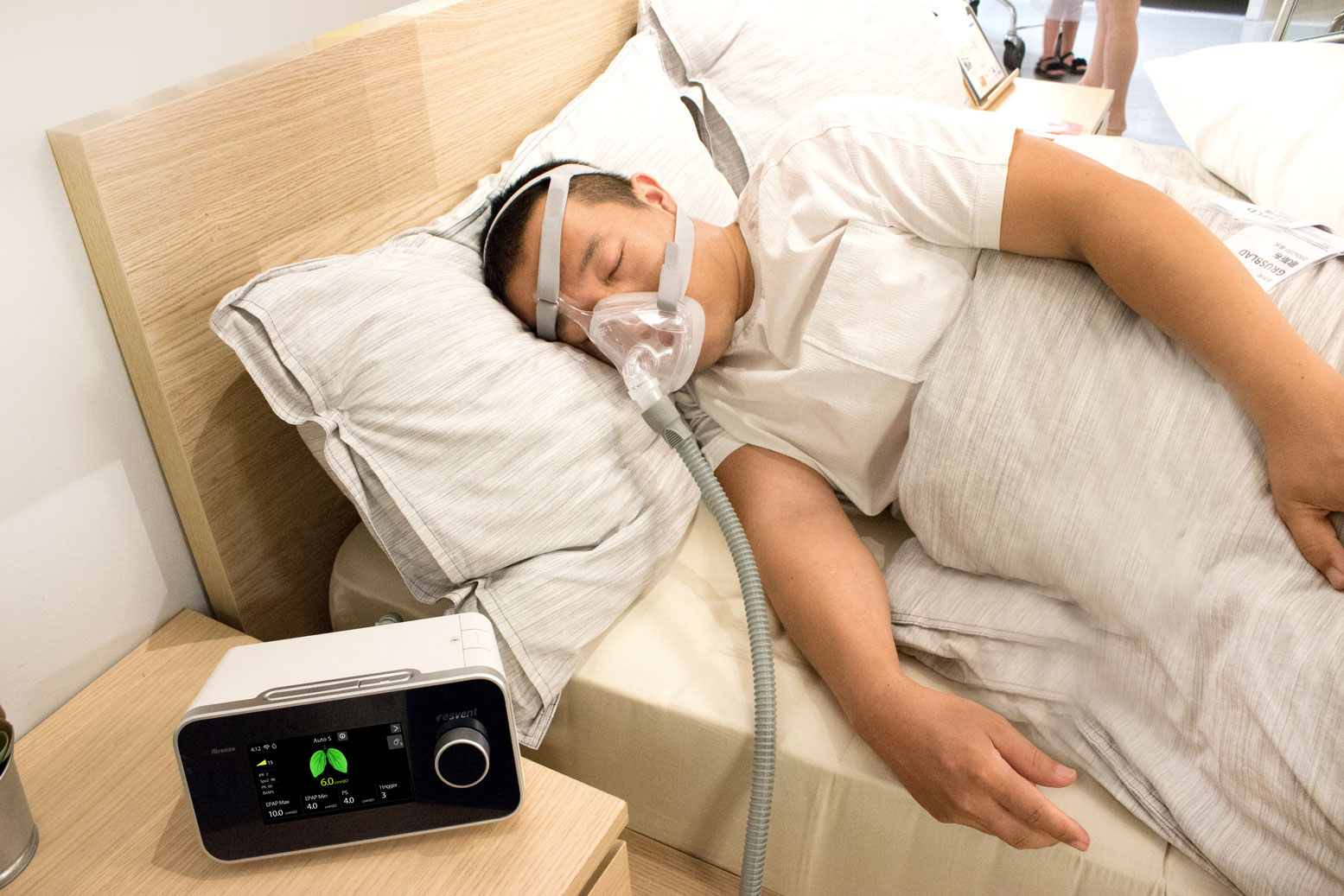
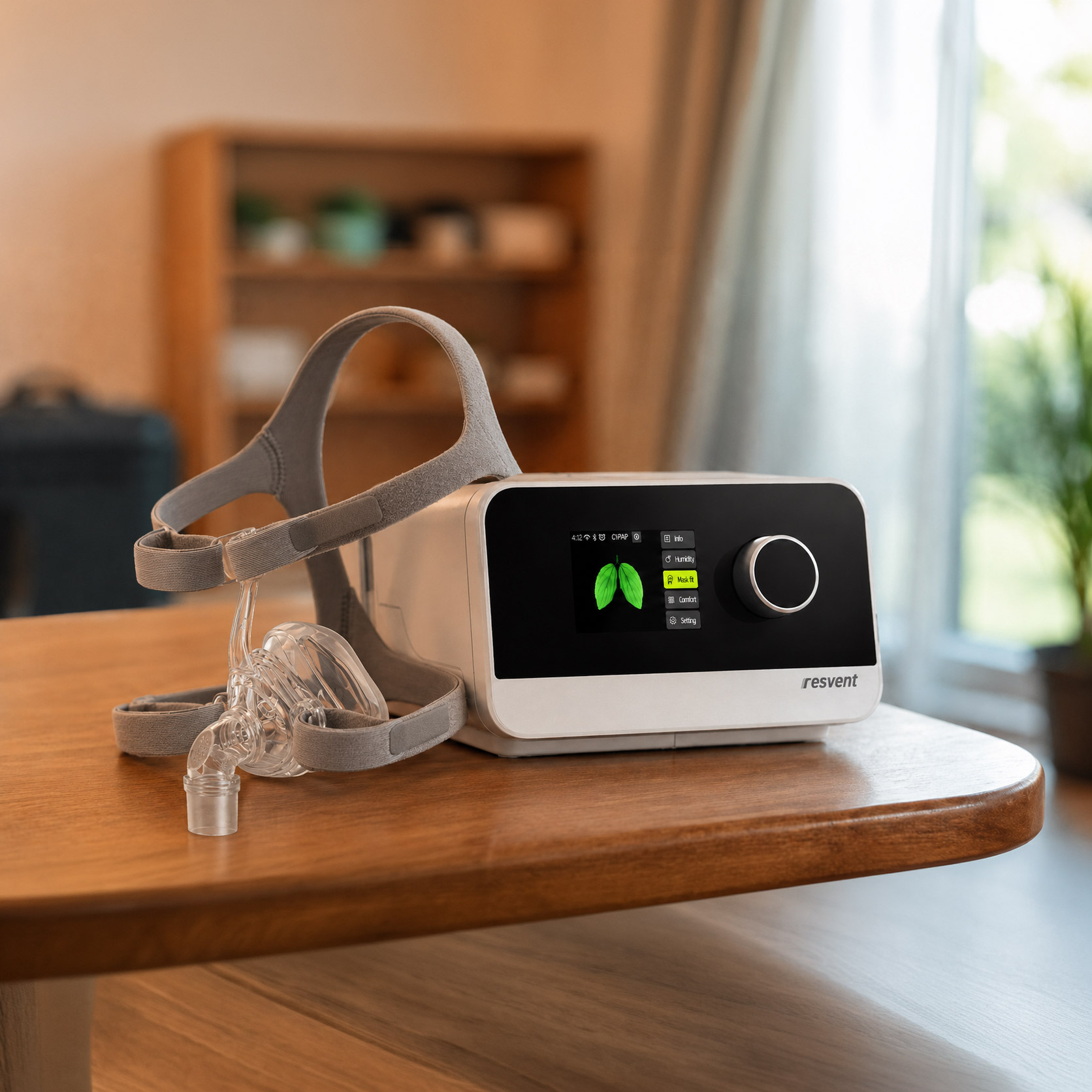
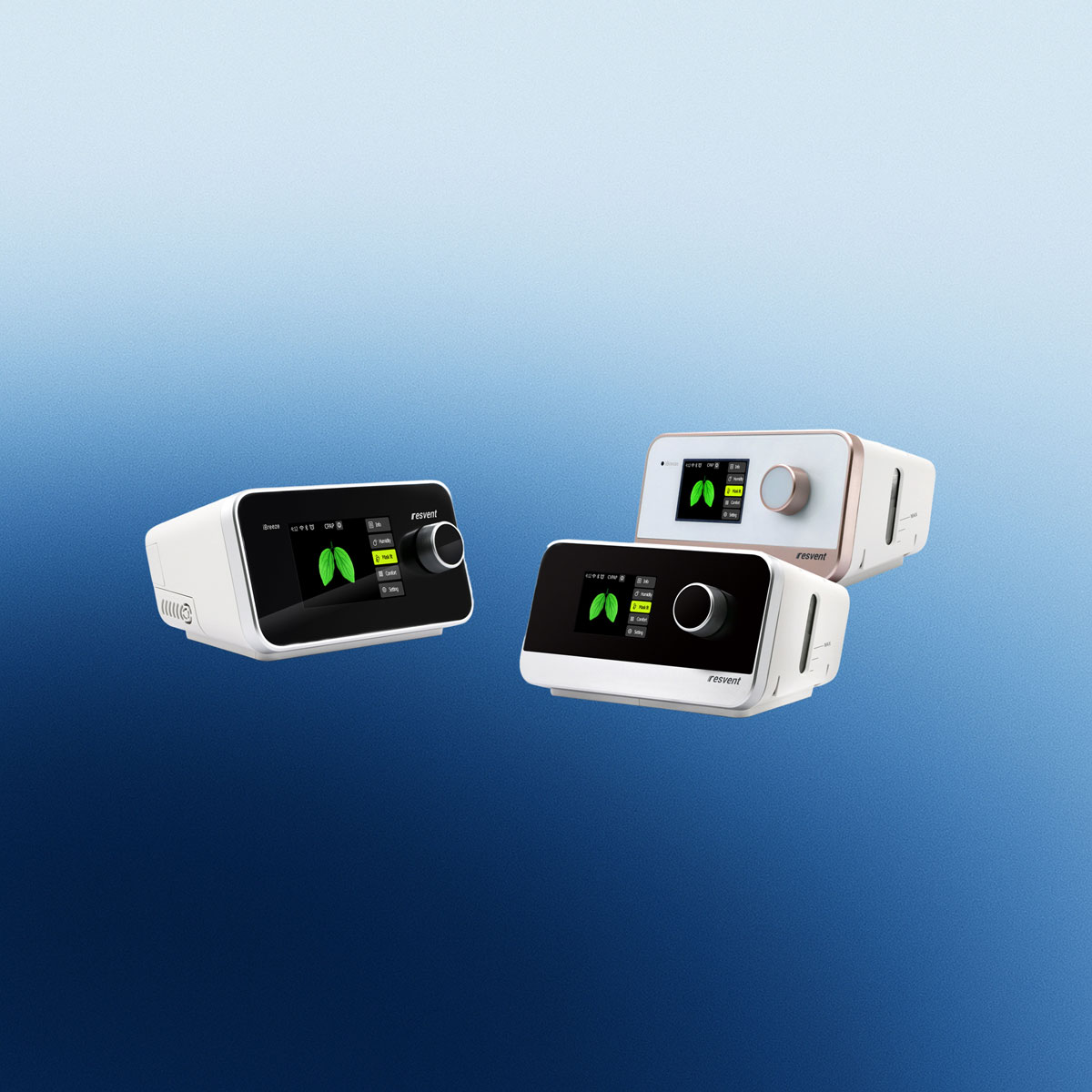
Why distributors choose SysMed USA
A wholesale distributor of respiratory therapy devices built for B2B buyers: homecare providers, distributors and hospital procurement teams across Latin America.
Every device comes from Resvent Medical Technology, an ISO 13485 certified manufacturer with CE marking and registrations across Latin America.
Stock held in our US facility for fast fulfillment to Mexico, Colombia, Argentina, Chile, Costa Rica, Panama, Ecuador and Uruguay.
CE and ISO 13485 documentation to support registro sanitario with each country's health authority.