Wholesale Respiratory Devices for Costa Rica
FDA-registered Resvent ventilators, CPAP/BiPAP systems, and oxygen concentrators with streamlined Ministry of Health registration for FDA-cleared devices.
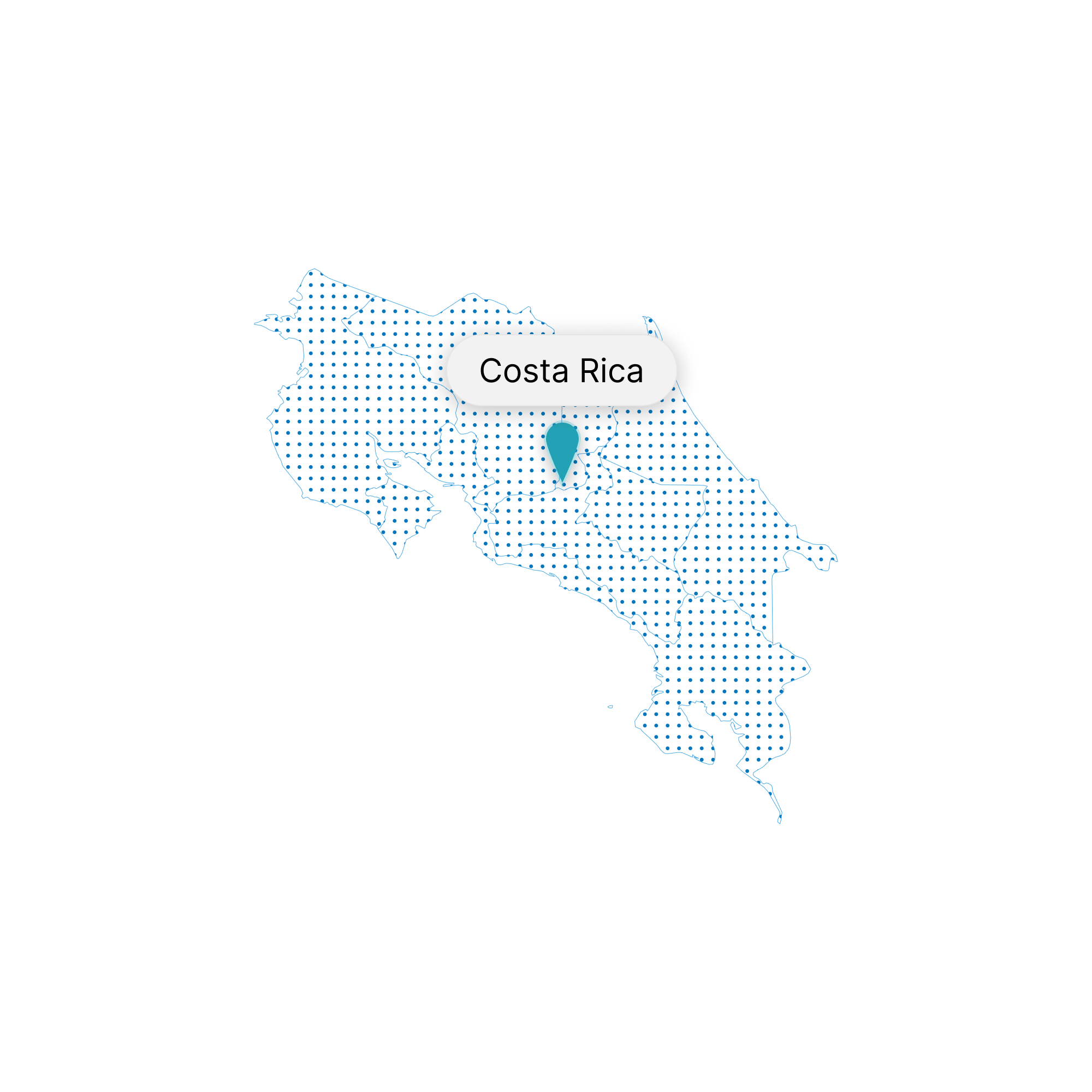
Universal healthcare coverage and FDA recognition without additional technical evaluation.
Costa Rica's CCSS system provides 100% coverage with $3B+ in infrastructure investment through 2030. The country has the highest asthma prevalence in Central America at 30%, with 88.7% of COPD cases currently underdiagnosed — sustaining demand for both PAP therapy and oxygen concentrators.
Respiratory Equipment for Institutional Buyers
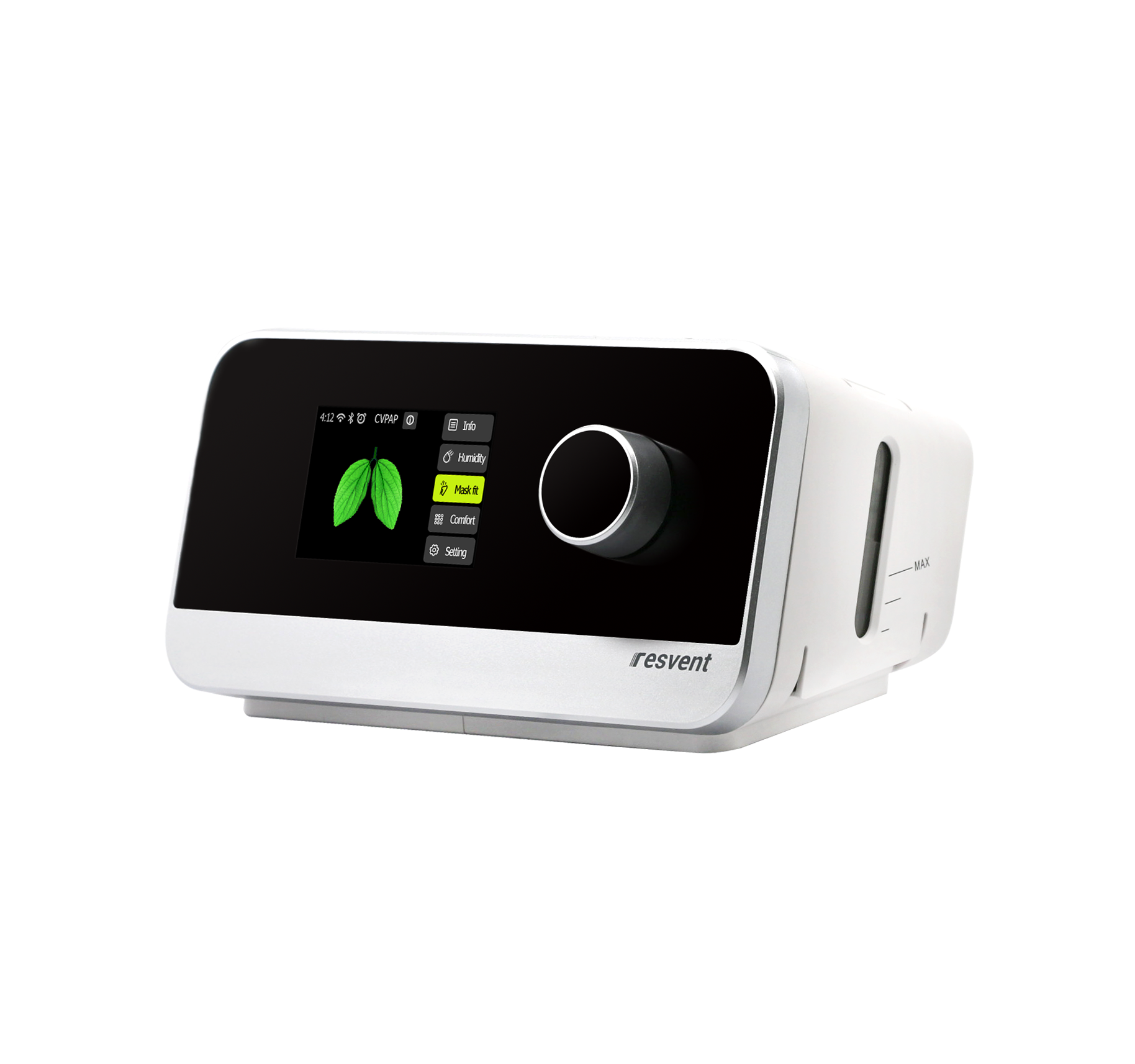
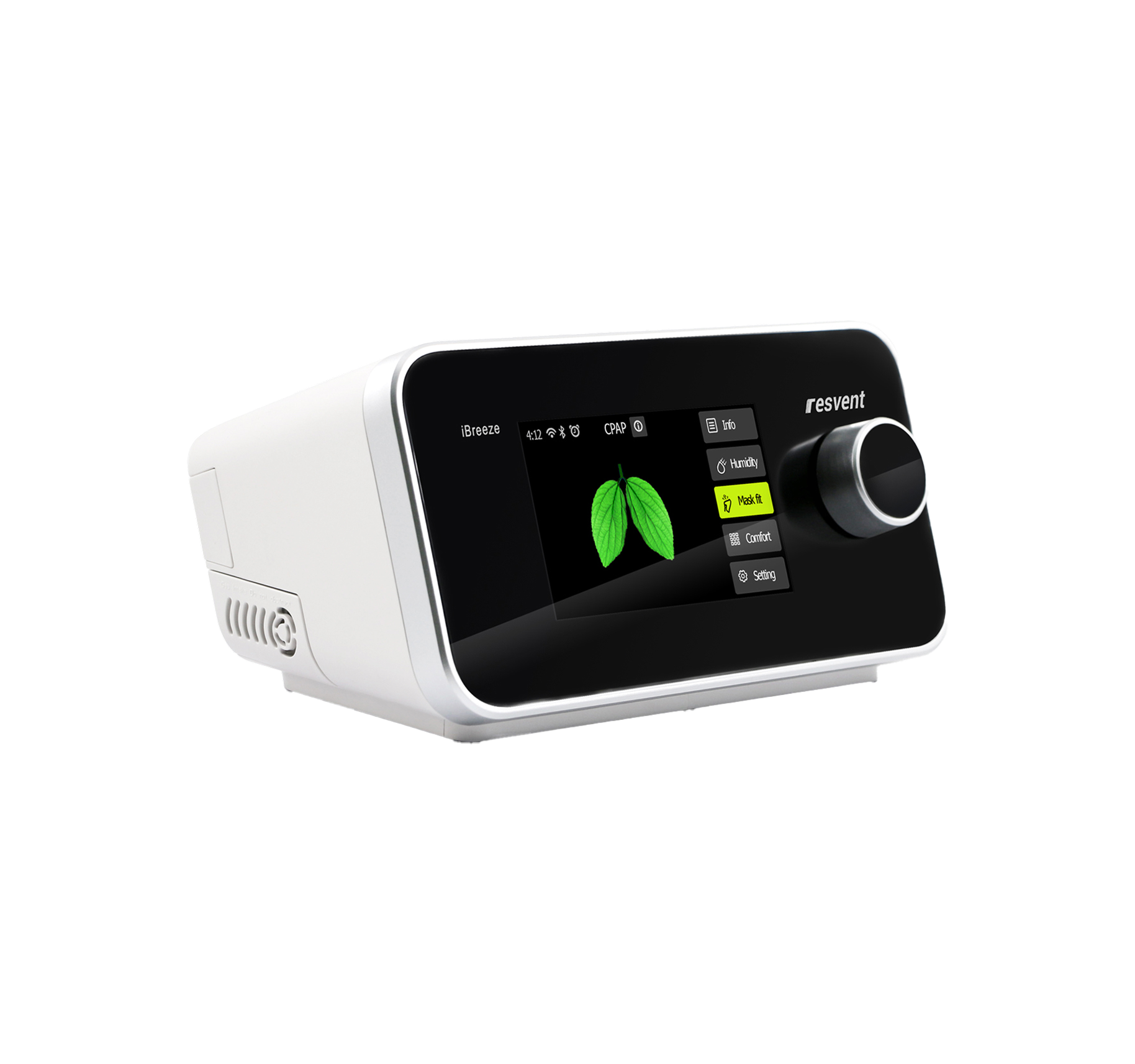
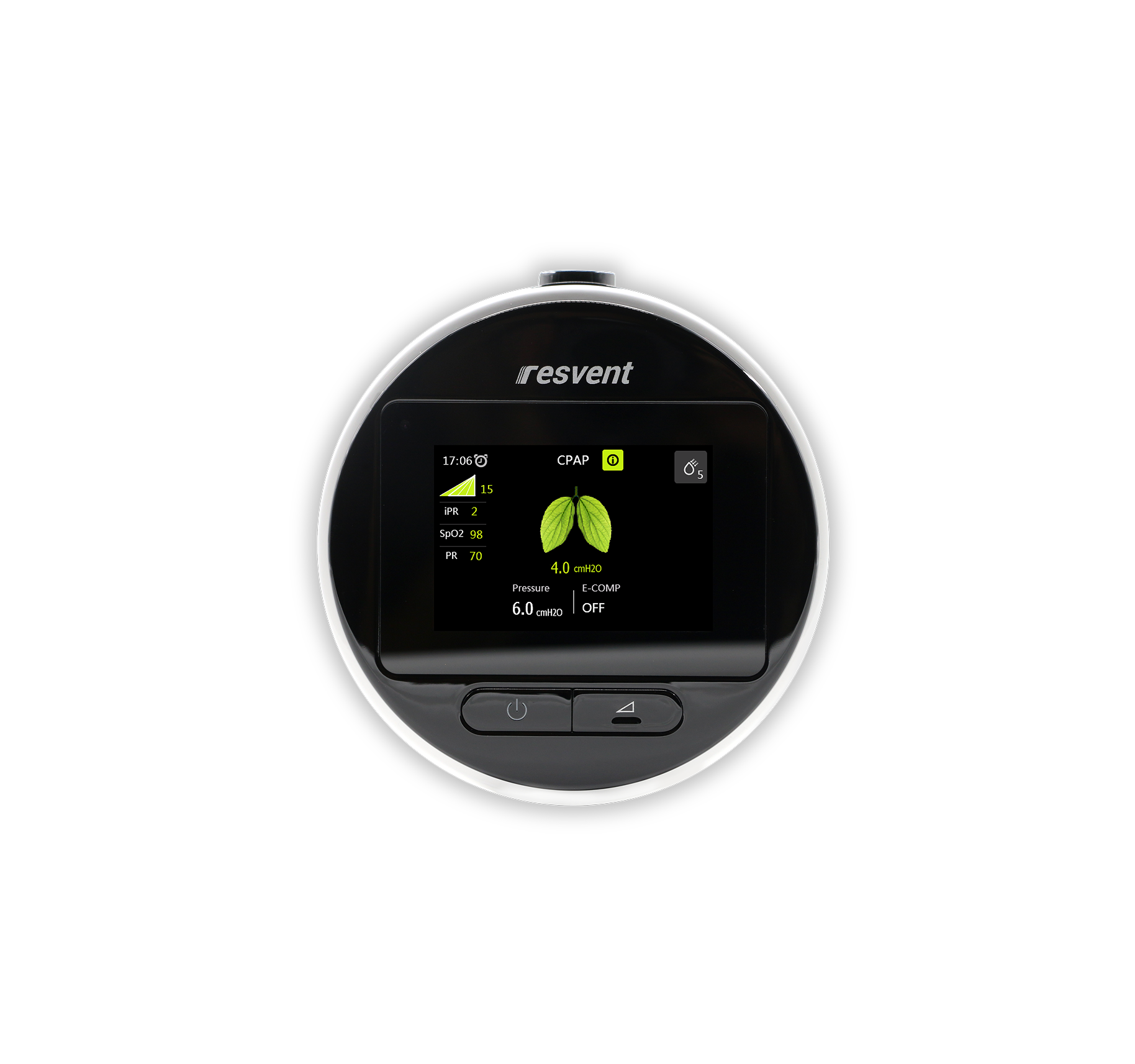
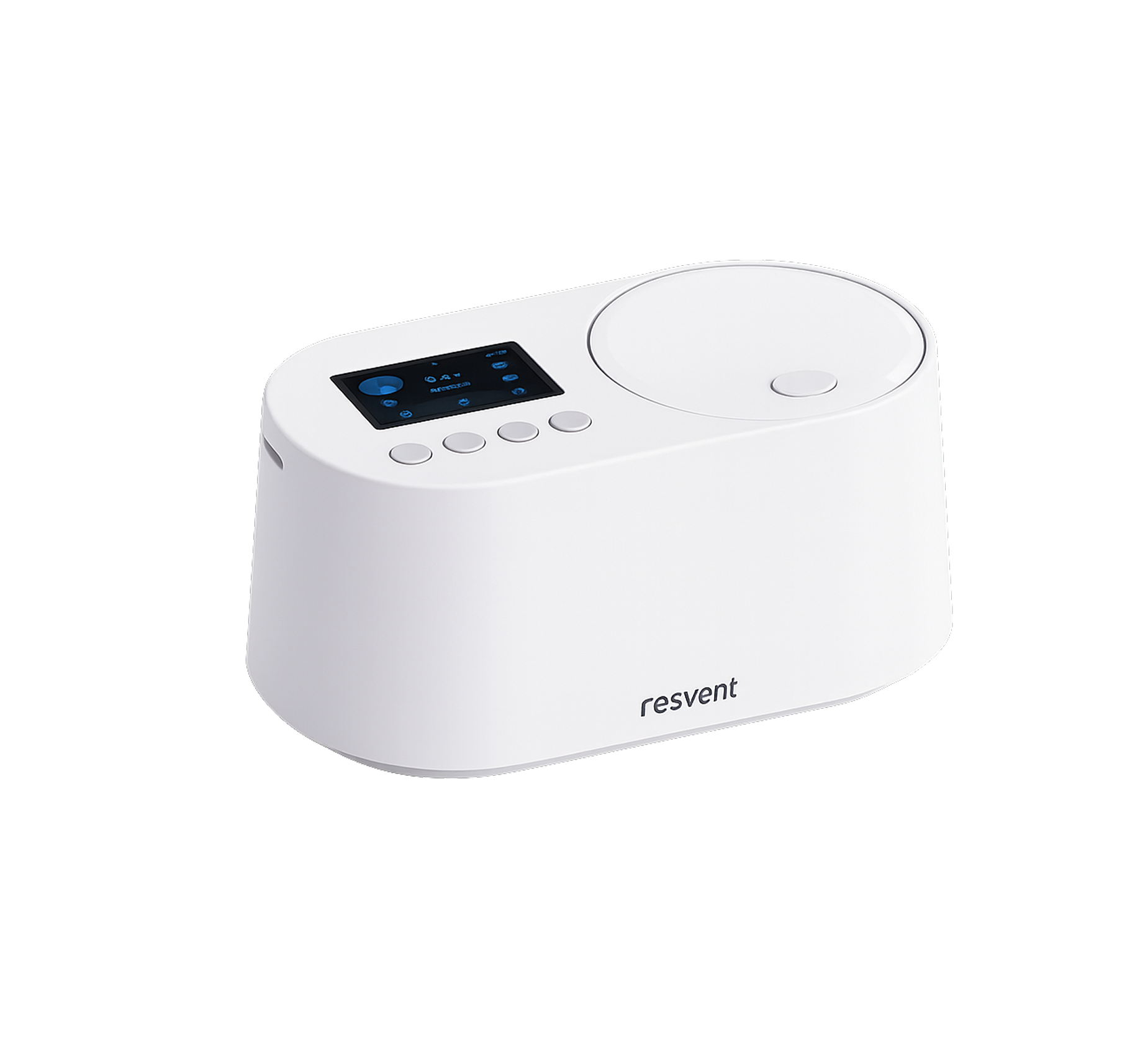
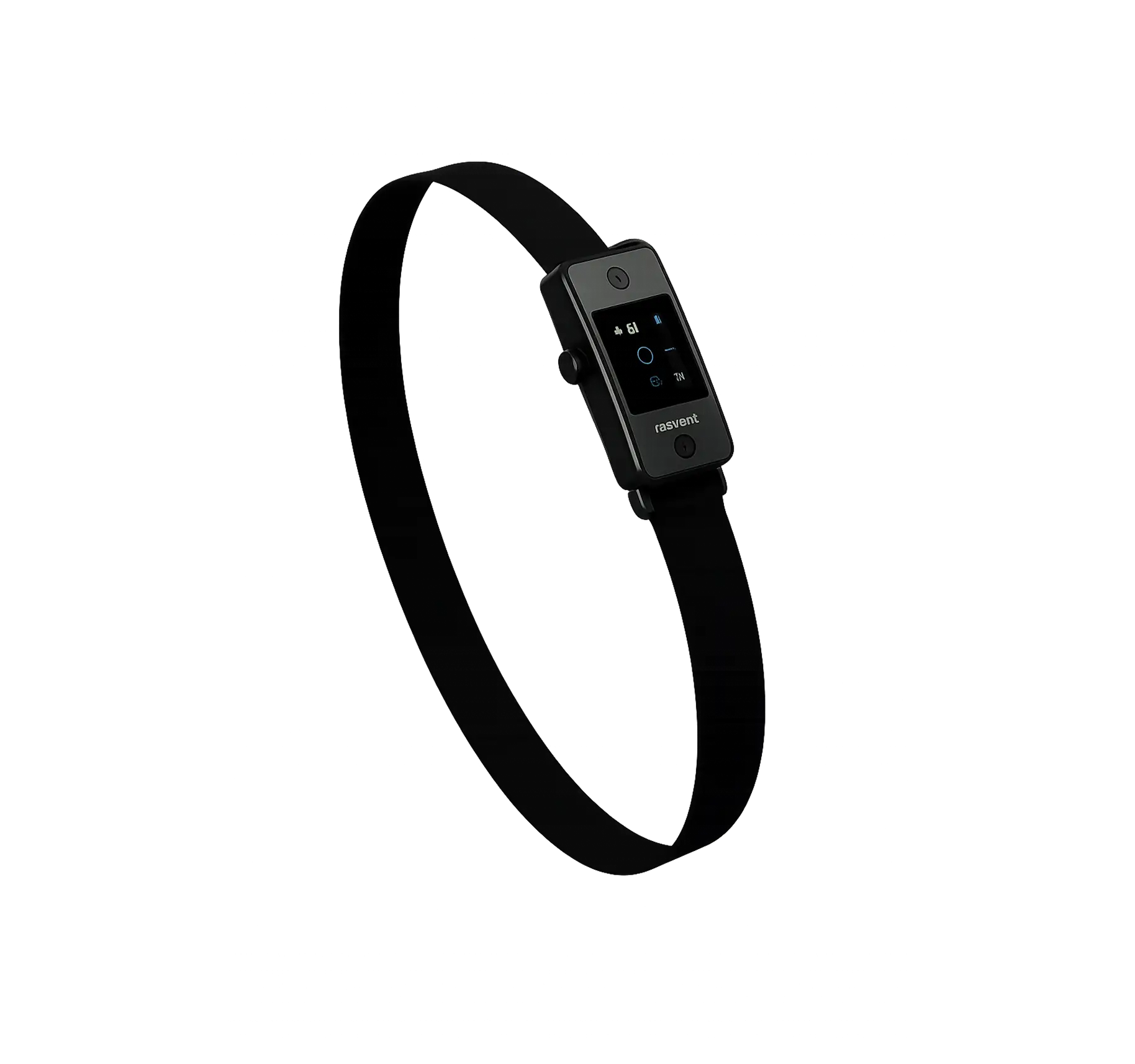
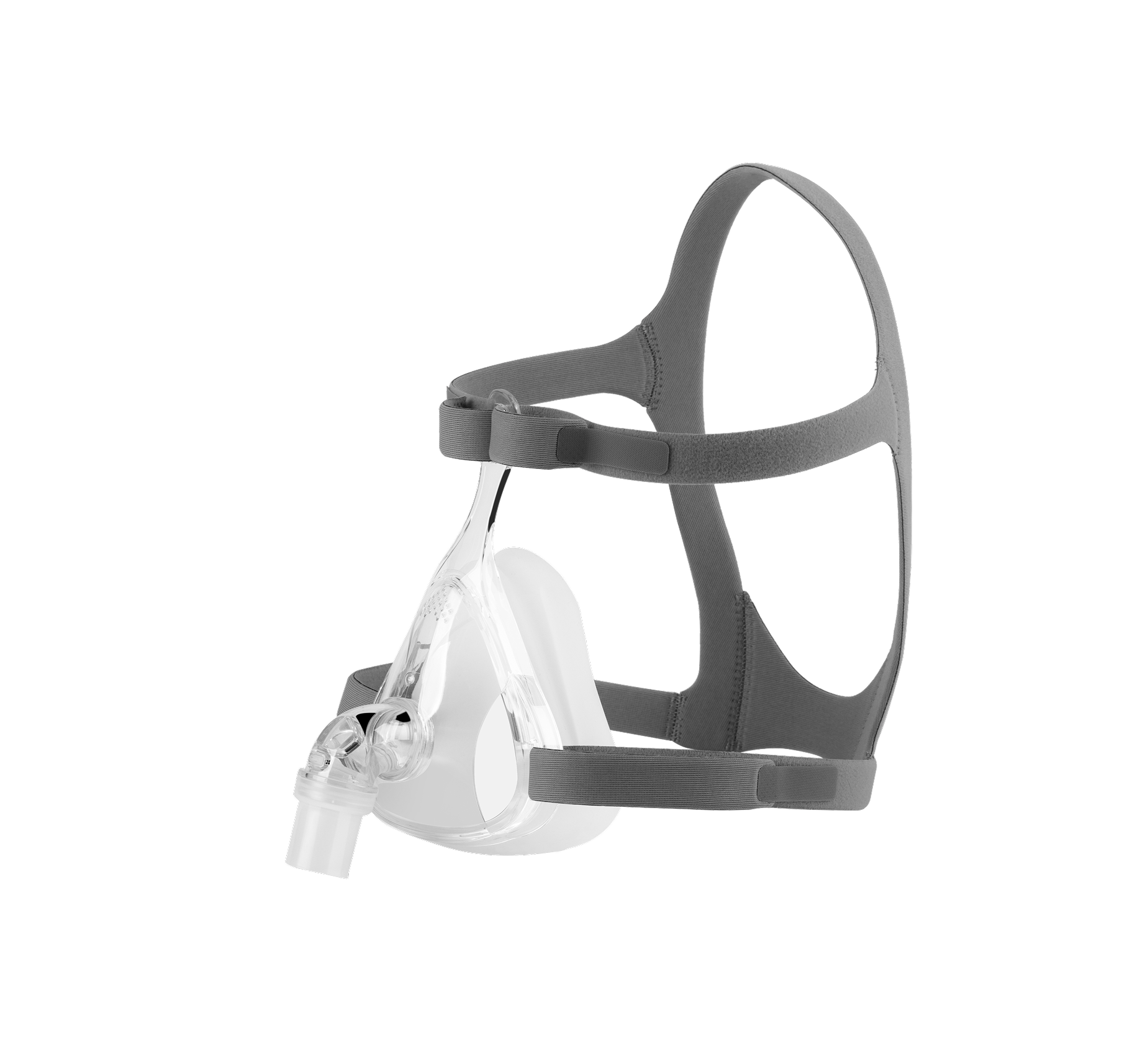
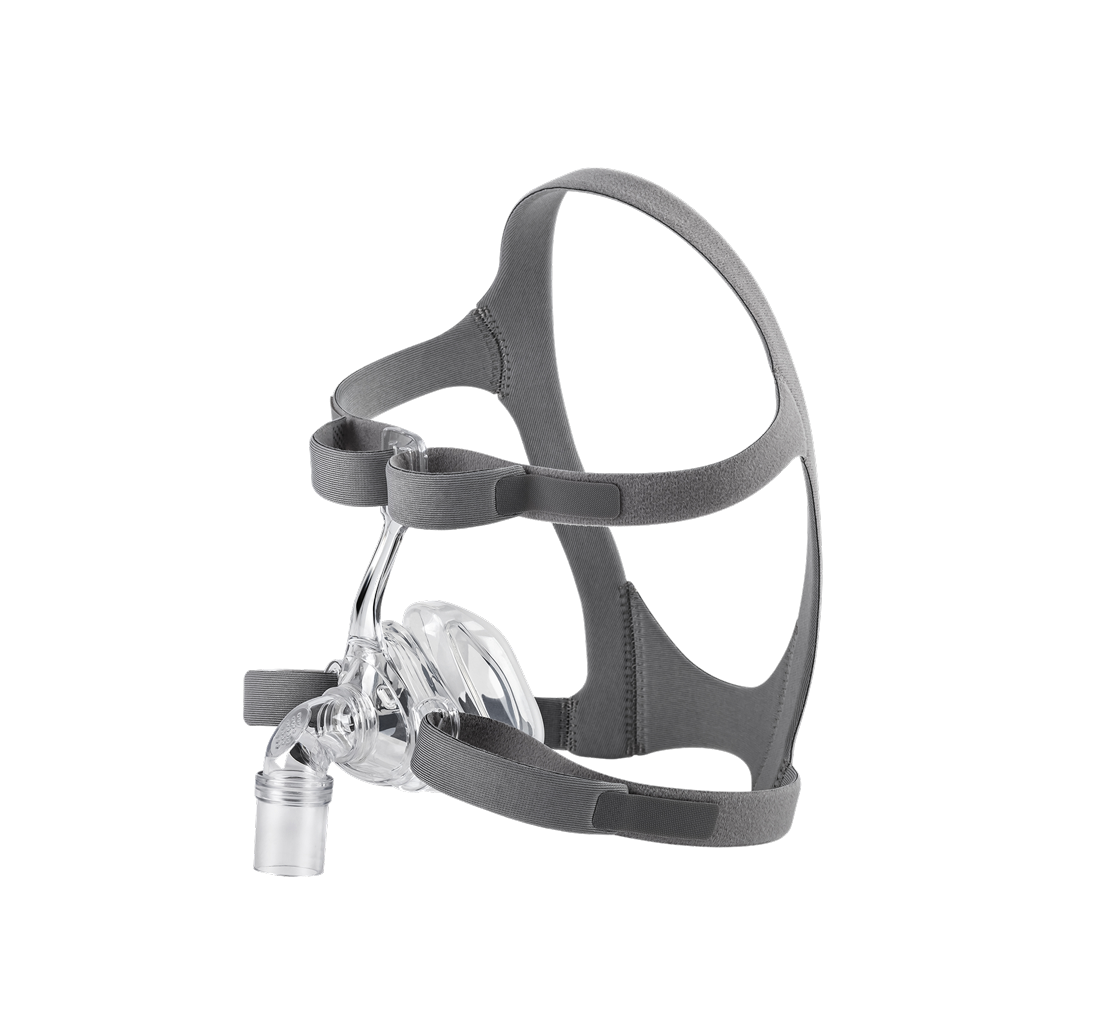
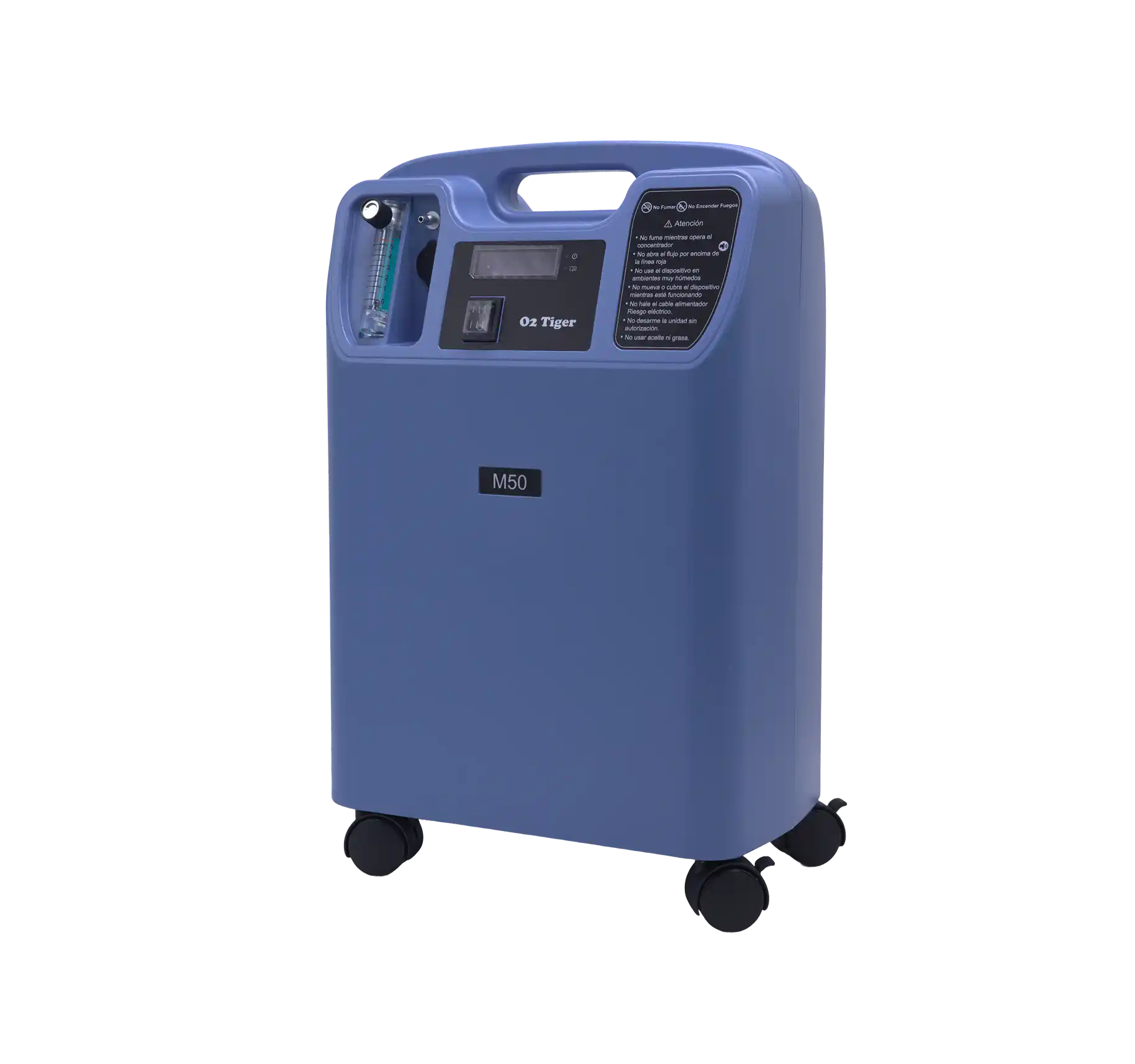

FDA Recognition — No Additional Evaluation Required
Costa Rica is one of the few countries in Latin America that recognizes FDA clearance without requiring a separate technical evaluation. Since 2011, the Ministerio de Salud (through its DRPIS division) approves medical devices already cleared by the U.S. FDA on an expedited basis. This means the Resvent respiratory portfolio — ventilators, CPAP, BiPAP, and oxygen concentrators — can reach market faster in Costa Rica than in almost any other LATAM country.
Registration still requires formal submission through the Ministerio de Salud: Certificates of Free Sale, FDA 510(k) documentation, ISO 13485 quality certificates, and Spanish-language labeling and IFUs. But the absence of a redundant clinical or technical review collapses the timeline significantly. Costa Rica is also a member of SICA (Central American Integration System) regulatory harmonization initiatives, which are progressively aligning device standards across the region — a registration here can support strategic positioning for Guatemala, Honduras, and El Salvador expansion.
Caribbean & Pacific Coast Shipping
Shipping routes from Miami serve two distinct corridors: Puerto Limón on the Caribbean coast (fastest ocean transit, 5–8 days from Miami) and Puerto Caldera on the Pacific side for western distribution. Air freight routes through Juan Santamaría International Airport (SJO) in San José handle urgent orders in 3–7 days. Total lead time including Dirección General de Aduanas clearance runs 1–2 weeks for oxygen concentrators and 2–3 weeks for PAP devices.
SysMed provides pre-formatted commercial invoices, certificates of origin, and harmonized tariff codes for each shipment. Applicable duties and taxes depend on each device's HS classification and country of manufacture; your customs broker can determine landed cost from the documentation we supply.
Selling into the CCSS Universal Healthcare System
Costa Rica's CCSS (Caja Costarricense de Seguro Social) is the dominant force in the country's healthcare market. It provides universal coverage, operates 29 hospitals and over 1,000 EBAIS primary care centers, and manages more than 90% of public healthcare delivery. When the CCSS buys, it buys at scale — centralized tenders for respiratory equipment cover the entire national hospital network.
The respiratory disease burden supports sustained demand: Costa Rica has the highest asthma prevalence in Central America at 30% (regional average: 17%), and COPD affects 9% of adults over 40 with an 88.7% underdiagnosis rate. As diagnostic capacity expands under the CCSS's USD 3B+ infrastructure investment plan through 2030, demand for ventilators, PAP therapy devices, and oxygen concentrators is projected to grow accordingly.
SysMed supports Costa Rican distributors with bilingual account management, Ministerio de Salud renewal coordination, and procurement strategy support for CCSS tender processes. We also provide clinical training materials adapted for Costa Rica's respiratory therapy protocols.
SysMed powers smarter respiratory care
Regulatory Compliance & Certifications
Cloud-Connected for Value-Added Services
20+ Years of Experience in LATAM Markets
How to Order from SysMed USA
Request Your Quote
Tell us your product requirements, order volume, and destination country.
Receive Compliance Documentation
We provide the technical specifications, FDA and CE certifications, and registration documents your regulatory and procurement teams need to approve the purchase.
Coordinate Logistics and Delivery
We manage export documentation and shipping to your country, with clear lead times and customs guidance for every LATAM market we serve.
Get Training and After-Sales Support
Your team receives product training, technical documentation, and ongoing support from first deployment through the full equipment lifecycle.
Frequently Asked Questions
What customs documentation does SysMed provide for Costa Rican imports?
SysMed includes a complete documentation set with every shipment, pre-formatted for Costa Rica's Dirección General de Aduanas: commercial invoices, certificates of origin, packing lists, and harmonized tariff codes for each device, alongside Ministerio de Salud registration references.
Applicable duties and taxes depend on each device's HS classification and country of manufacture; your customs broker confirms current treatment and calculates landed cost. Combined with Costa Rica's FDA recognition pathway — which removes the redundant technical review most LATAM markets require — correctly prepared documentation makes time-to-market here among the fastest in the region.
Does Costa Rica recognize FDA clearance for medical device registration?
Yes — and it's one of the strongest recognition pathways in Latin America. Since 2011, Costa Rica's Ministerio de Salud (through its DRPIS division) approves devices already cleared by the U.S. FDA without requiring a separate technical evaluation. No redundant clinical reviews, no additional efficacy testing.
You still need to file formally: Certificates of Free Sale, FDA 510(k) documentation, ISO 13485 certificates, and Spanish-language labeling. But eliminating the independent technical review collapses the timeline dramatically compared to markets like Argentina (60–120 days for Class III) or Uruguay (6–12 months). Every Resvent device in SysMed's portfolio qualifies for this expedited route.
Can a Costa Rica device registration support expansion into other Central American markets?
Strategically, yes. Costa Rica is a member of SICA (Central American Integration System), which is progressively harmonizing medical device regulatory standards across the region — including Guatemala, Honduras, El Salvador, Nicaragua, and the Dominican Republic.
While SICA harmonization isn't yet at the point of mutual recognition (each country still requires its own registration), having an established Costa Rica registration demonstrates regional regulatory familiarity and provides documentation that translates well across SICA member processes. For distributors evaluating a multi-country Central American strategy, Costa Rica is typically the best first market due to its FDA recognition pathway and CAFTA-DR duty access.
What is the respiratory disease burden in Costa Rica, and how does it drive device demand?
Costa Rica has the highest asthma prevalence in Central America at 30% — nearly double the 17% regional average. COPD affects 9% of adults over 40, with an 88.7% underdiagnosis rate — meaning the vast majority of COPD cases aren't yet captured in the treatment system.
As diagnostic capacity expands under the CCSS's infrastructure investment plan, more patients will enter the treatment pipeline, driving institutional demand for ventilators, CPAP, and BiPAP devices. For distributors, this creates a growing market with predictable trajectory: diagnosed prevalence is rising not because the disease is spreading, but because detection is improving. SysMed helps partners align inventory planning with this demand curve.
How does CCSS centralized purchasing work for respiratory equipment in Costa Rica?
The CCSS (Caja Costarricense de Seguro Social) dominates Costa Rica's healthcare market. It provides universal coverage, operates 29 hospitals and over 1,000 EBAIS primary care centers, and manages more than 90% of public healthcare delivery. When the CCSS procures respiratory equipment, it buys at national scale through centralized tender processes.
These tenders follow structured timelines with specific documentation, pricing, and delivery requirements. The CCSS has committed USD 3B+ in infrastructure investment through 2030, which includes expansion of respiratory care capacity. For distributors, this means growing tender volumes and multi-year supply opportunities. SysMed helps partners prepare CCSS tender documentation, including product specifications, registration evidence, and volume pricing proposals.
Ready to Supply Your Facilities in Costa Rica?
Get wholesale pricing, Ministry of Health registration guidance, and logistics support from our LATAM specialists.