Wholesale Respiratory Devices for Ecuador
FDA-registered Resvent ventilators, CPAP/BiPAP systems, and oxygen concentrators with USD-denominated transactions and direct Guayaquil port access.
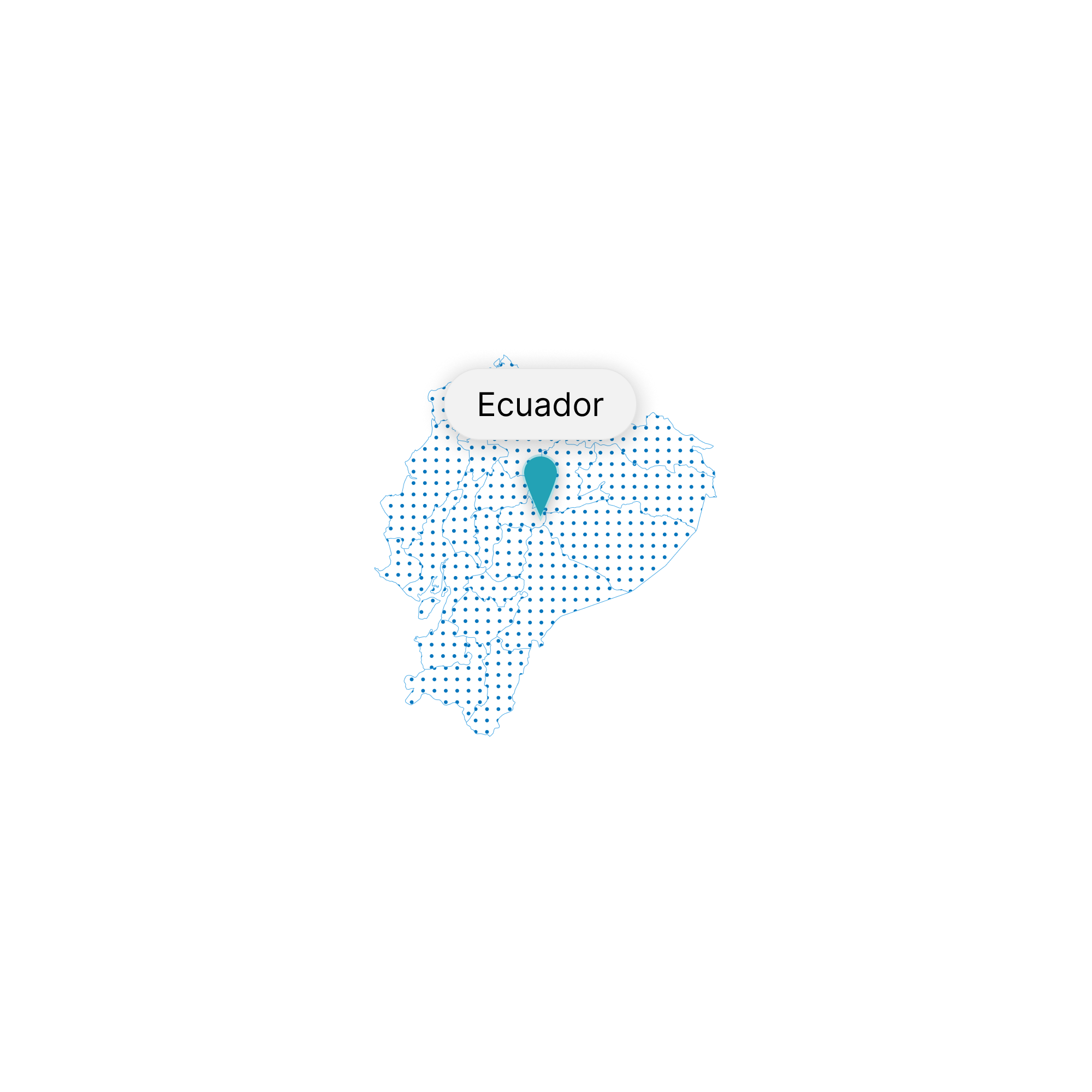
South America's only dollarized economy with zero currency risk and one of the shortest shipping routes from the U.S.
Ecuador's 4,100+ healthcare facilities and high respiratory disease burden create sustained institutional demand for PAP therapy systems and oxygen concentrators. As a USD-denominated market, transactions are frictionless for U.S. suppliers — no currency conversion, no exchange rate volatility.
Respiratory Equipment for Institutional Buyers
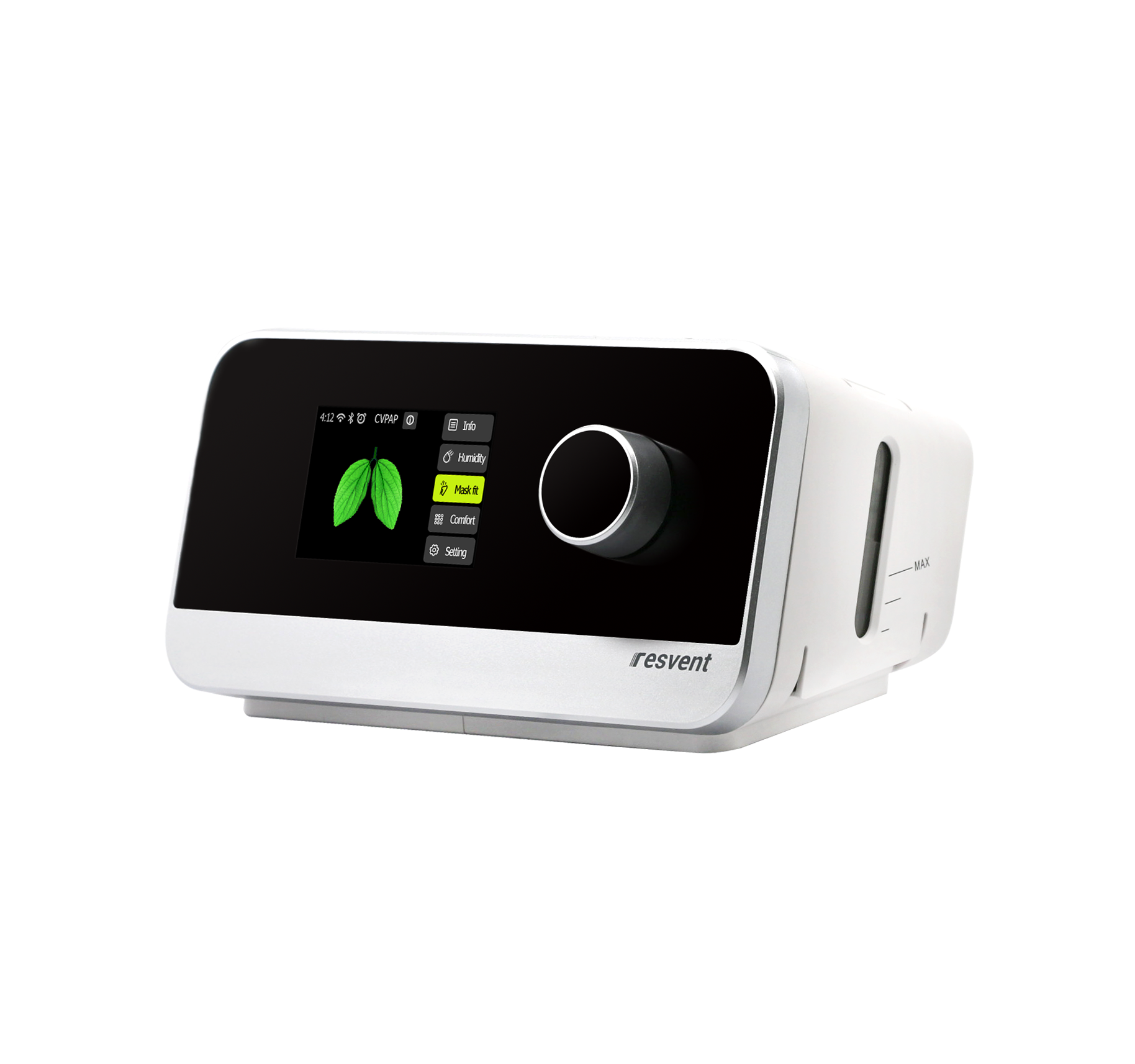
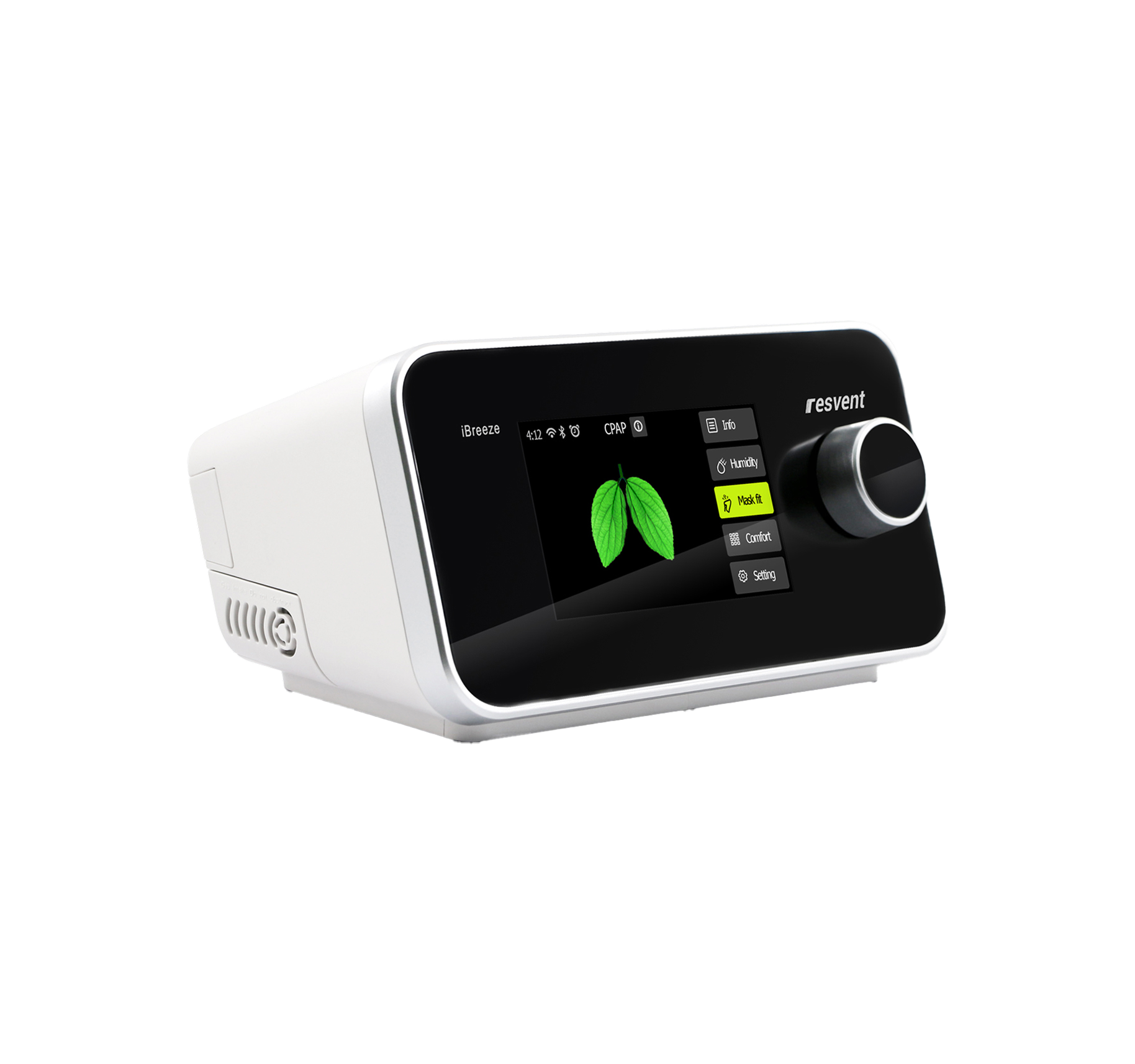
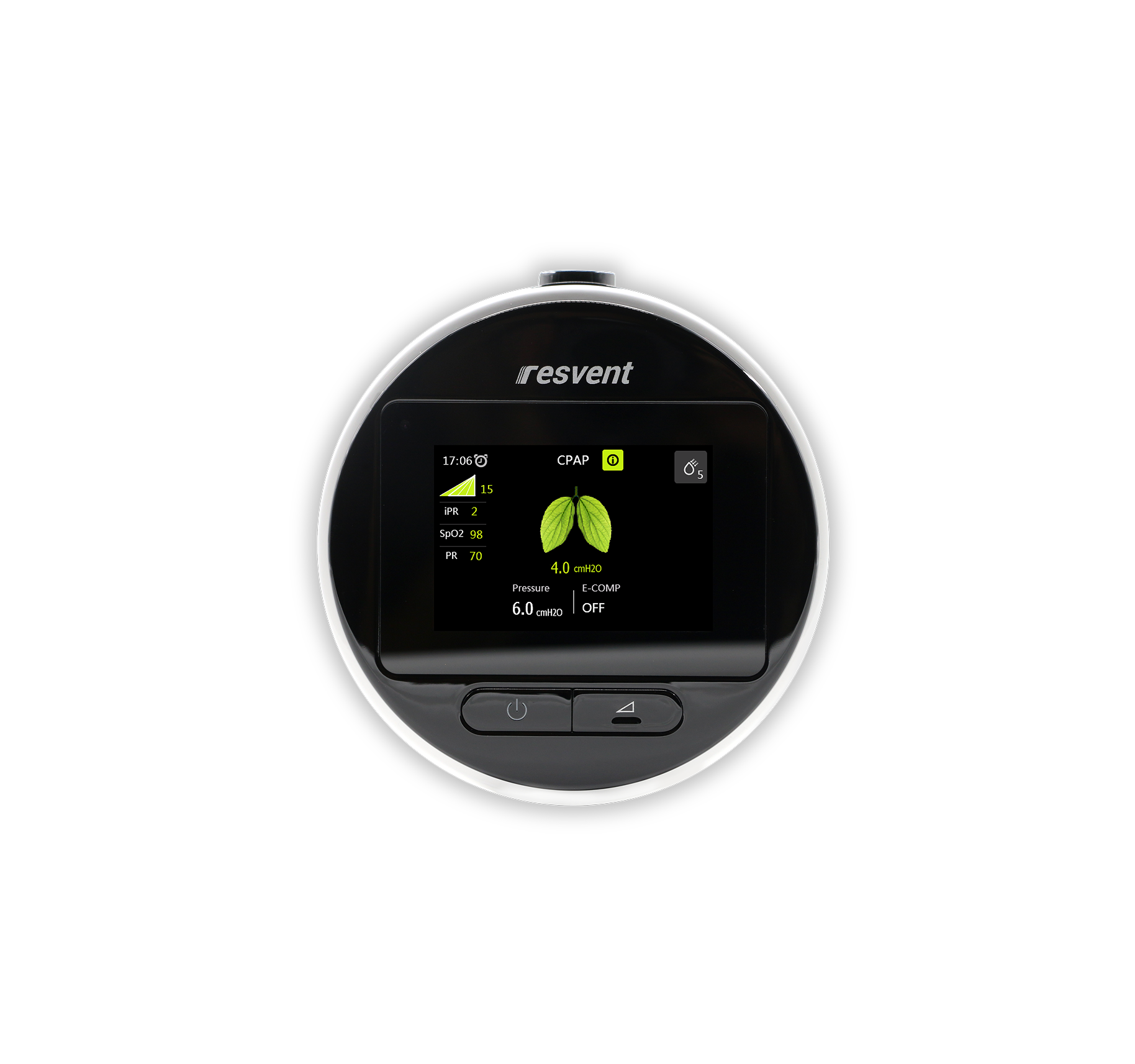
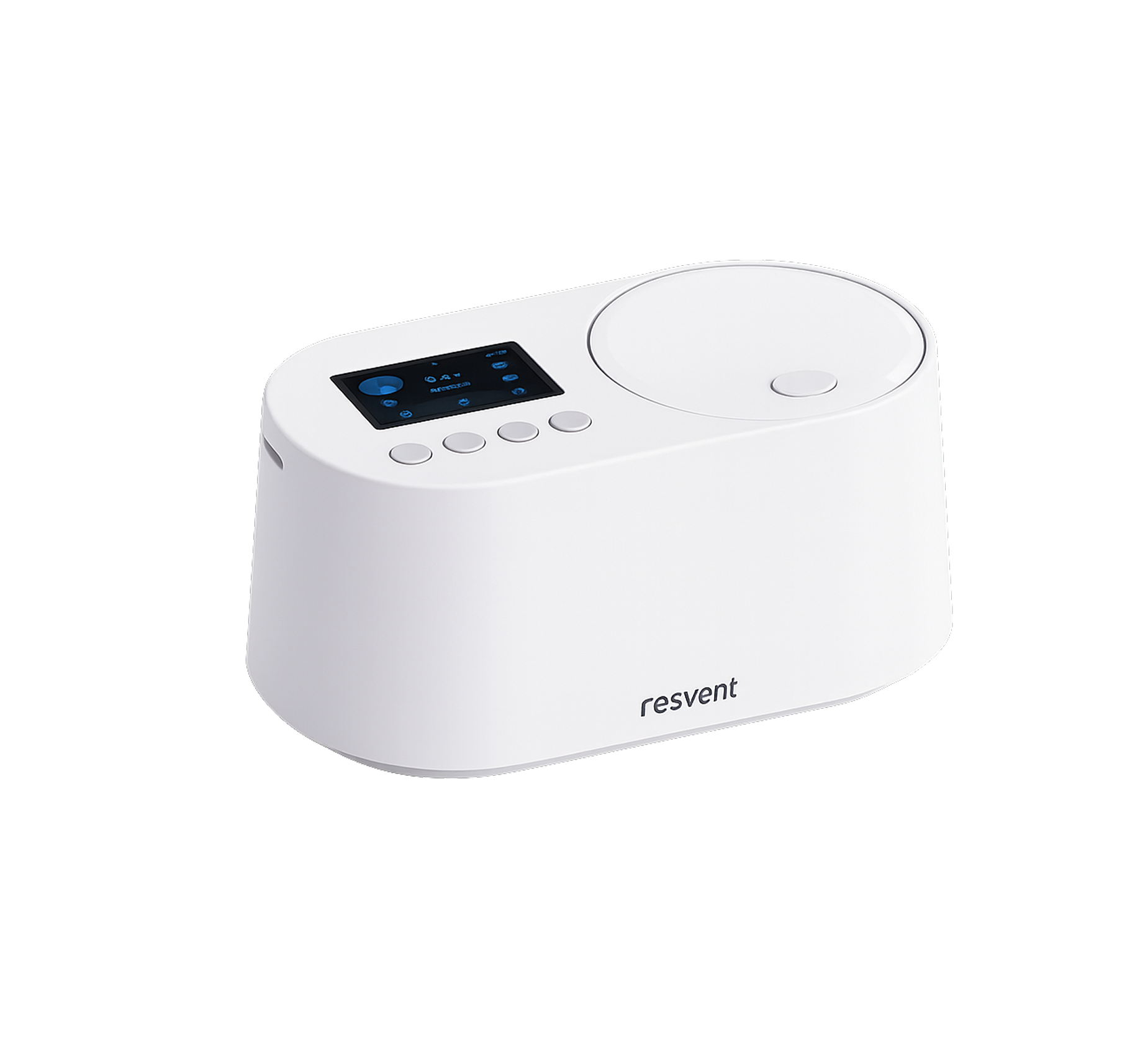
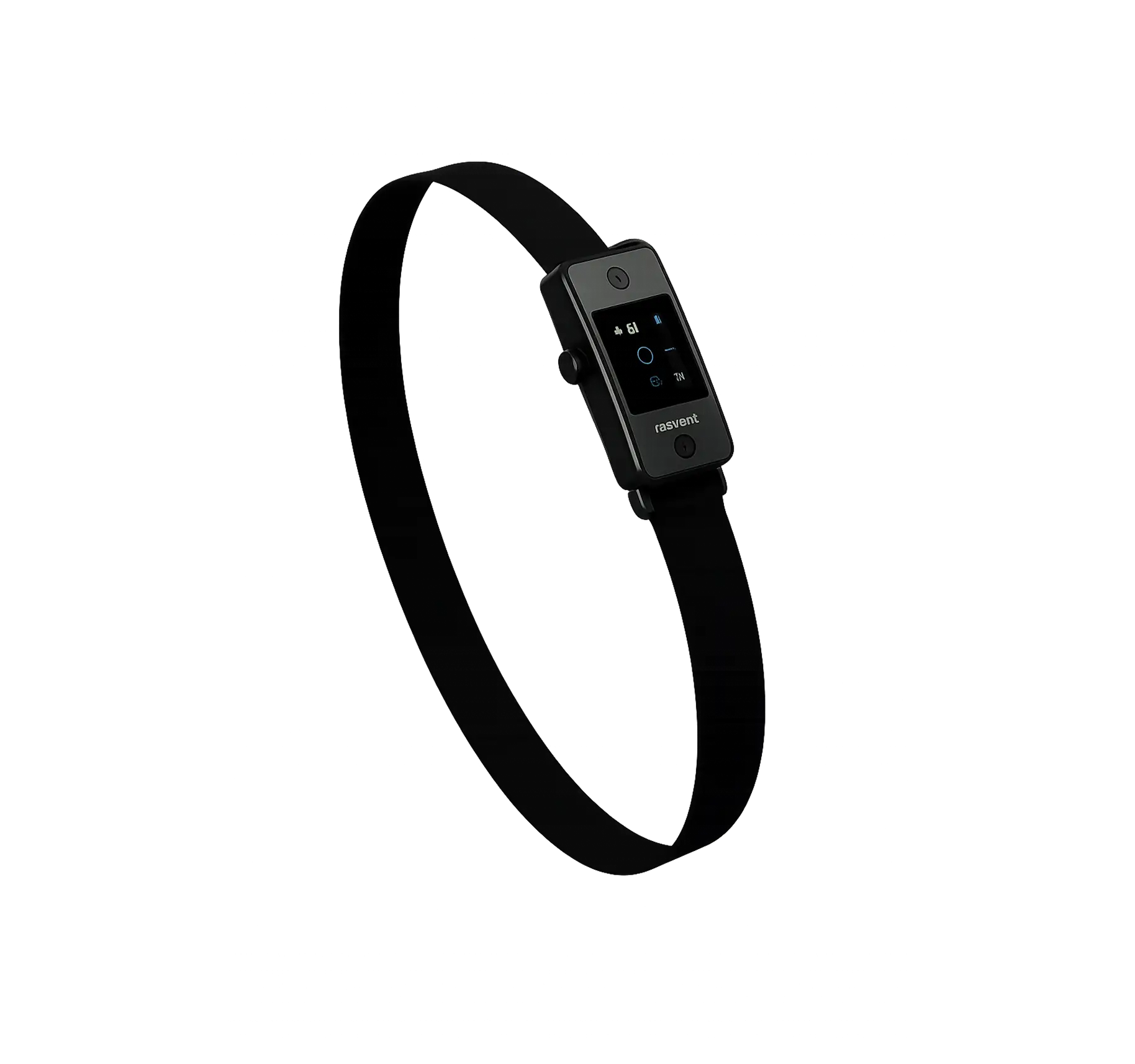
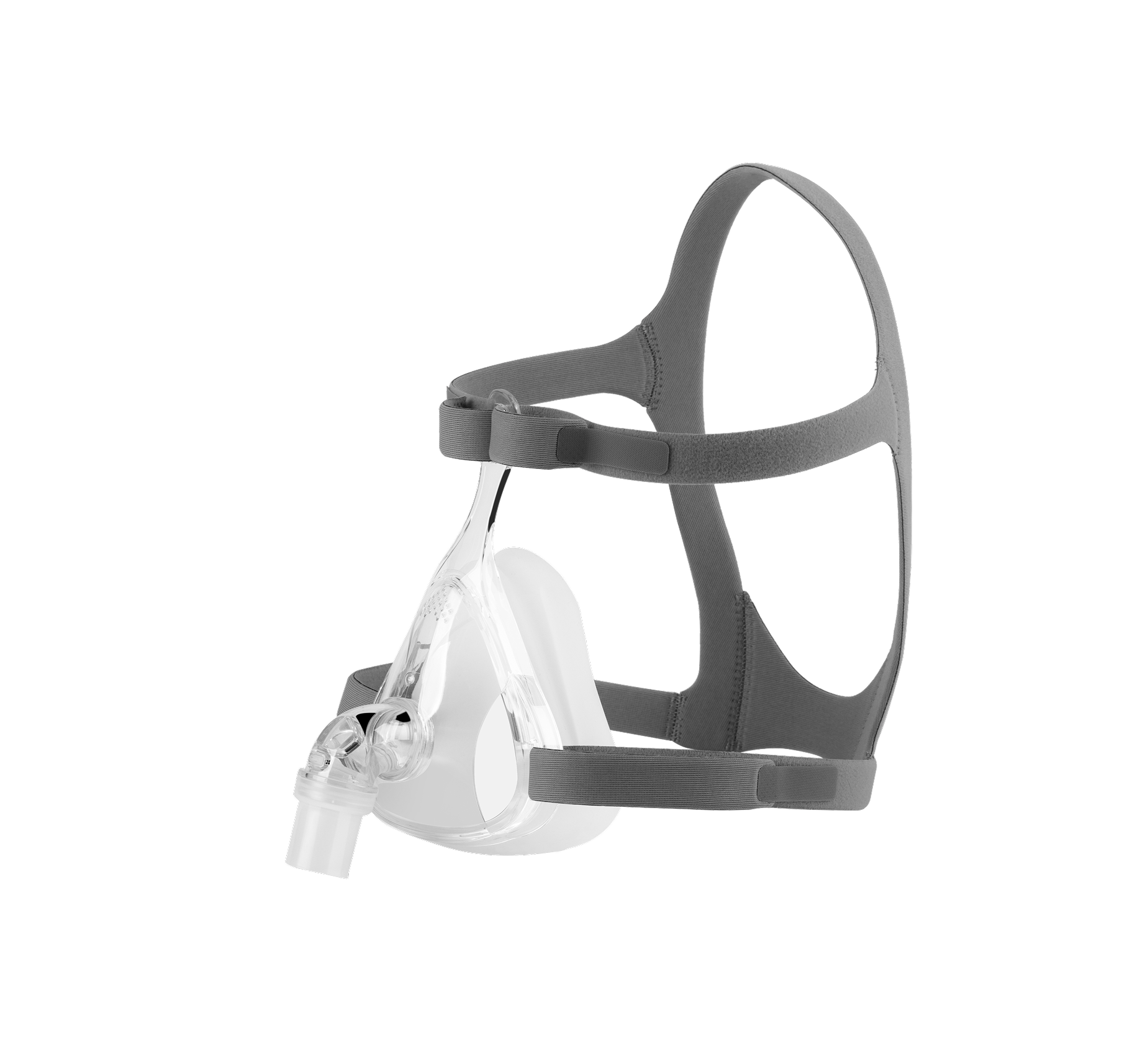
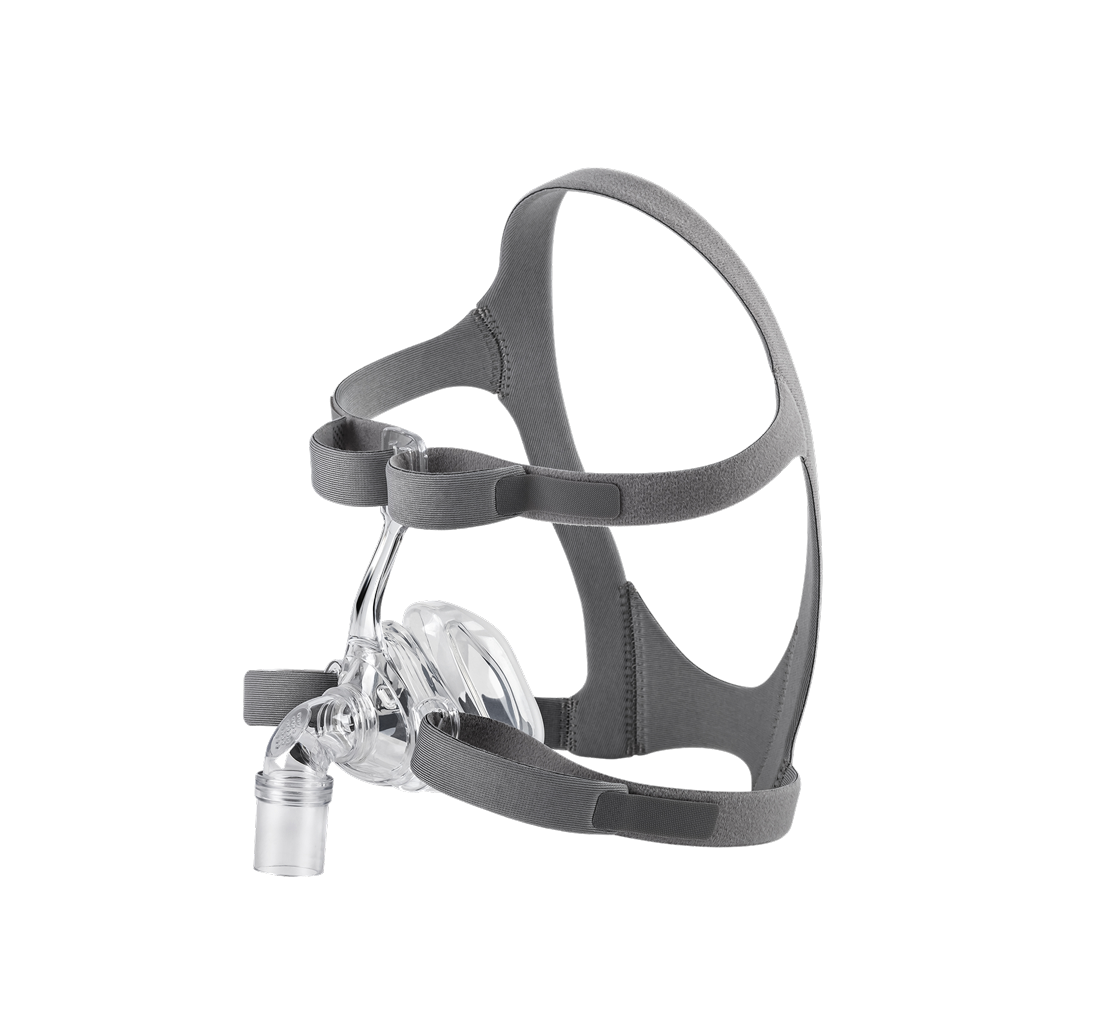

ARCSA Sanitary Registration
Ecuador's ARCSA (Agencia Nacional de Regulación, Control y Vigilancia Sanitaria) requires sanitary registration for all imported medical devices before they can be marketed or distributed. The process involves submission of a technical dossier, appointment of a local authorized representative, and payment of a filing fee of approximately USD 904. Processing timelines run 2–6 months depending on device risk class — most Resvent respiratory products, including PAP systems and oxygen concentrators, fall under Risk Class II or III.
ARCSA accepts MDSAP (Medical Device Single Audit Program) audit reports from U.S. facilities, which can reduce the quality system documentation burden significantly. SysMed provides the full submission package: Certificates of Free Sale, FDA 510(k) records, ISO 13485 certificates, manufacturing process documentation, and all labeling and IFUs translated to Ecuadorian Spanish. We coordinate directly with local importers to avoid the formatting and translation errors that commonly stall ARCSA reviews.
The USD Advantage & Miami-Guayaquil Corridor
Ecuador is the only economy in South America that uses the U.S. dollar as its official currency — a structural advantage that eliminates exchange rate risk entirely on wholesale medical device transactions. No currency hedging, no conversion fees, no pricing volatility. For distributors and hospital procurement departments, this means purchase orders and invoices stay in the same currency from quote to payment.
Logistics run through one of the shortest ocean routes in the region. Miami to Guayaquil takes 6–10 days by sea, making Ecuador faster to reach than Chile, Argentina, or Uruguay. Air freight to Quito UIO or Guayaquil GYE arrives in 3–5 days for urgent orders. Total end-to-end lead time including SENAE customs clearance runs 1–2 weeks for oxygen concentrators and 2–3 weeks for PAP devices. SysMed provides all documentation formatted for SENAE processing; applicable duties and taxes depend on each device's HS classification and country of manufacture.
Public & Private Sector Distribution
Ecuador's healthcare system splits across MSP (Ministerio de Salud Pública) public hospitals, IESS (Instituto Ecuatoriano de Seguridad Social) facilities, and a growing private hospital sector concentrated in Quito, Guayaquil, and Cuenca. IESS alone operates over 80 hospitals and hundreds of outpatient centers — its centralized procurement creates large-volume tender opportunities for respiratory equipment.
SysMed supports Ecuadorian distributors with bilingual account management, ARCSA renewal coordination, and demand planning aligned with both IESS tender cycles and private-sector purchasing patterns. The country's 4,100+ healthcare facilities and high respiratory disease burden — driven by altitude-related conditions in the Sierra region and tropical respiratory infections on the coast — sustain consistent institutional demand for ventilators, CPAP, BiPAP, and oxygen concentrator systems.
SysMed powers smarter respiratory care
Regulatory Compliance & Certifications
Cloud-Connected for Value-Added Services
20+ Years of Experience in LATAM Markets
How to Order from SysMed USA
Request Your Quote
Tell us your product requirements, order volume, and destination country.
Receive Compliance Documentation
We provide the technical specifications, FDA and CE certifications, and registration documents your regulatory and procurement teams need to approve the purchase.
Coordinate Logistics and Delivery
We manage export documentation and shipping to your country, with clear lead times and customs guidance for every LATAM market we serve.
Get Training and After-Sales Support
Your team receives product training, technical documentation, and ongoing support from first deployment through the full equipment lifecycle.
Frequently Asked Questions
What is the ARCSA registration process for importing respiratory devices into Ecuador?
ARCSA (Agencia Nacional de Regulación, Control y Vigilancia Sanitaria) requires sanitary registration before any medical device can be marketed in Ecuador. The process involves submitting a technical dossier, appointing a local authorized representative, and paying a filing fee of approximately USD 904. Processing runs 2–6 months depending on device risk class.
A significant recent development: the 2025 US-Ecuador trade framework now allows ARCSA to accept MDSAP (Medical Device Single Audit Program) audit reports from U.S. facilities, reducing the quality system documentation burden. SysMed provides the complete submission package and coordinates with local importers to avoid the formatting and translation errors that commonly stall ARCSA reviews.
How does IESS centralized procurement create opportunities for respiratory device distributors in Ecuador?
IESS (Instituto Ecuatoriano de Seguridad Social) is Ecuador's social security system, operating over 80 hospitals and hundreds of outpatient centers nationwide. Its centralized procurement department runs formal tender processes for medical equipment, creating large-volume purchasing opportunities that individual hospital-level buying doesn't match.
Respiratory devices are in consistent demand across IESS facilities, driven by altitude-related conditions in the Sierra region (Quito sits at 2,850m elevation) and tropical respiratory infections on the coast. SysMed supports distributors with IESS tender preparation, including product technical sheets, ARCSA registration documentation, and volume pricing structures aligned to institutional procurement expectations.
What is MDSAP and how does Ecuador's acceptance of it speed up device registration?
The Medical Device Single Audit Program (MDSAP) allows a single regulatory audit of a manufacturer's quality management system to satisfy the requirements of multiple participating countries. Under the 2025 US-Ecuador trade framework, ARCSA now accepts MDSAP audit reports from U.S. facilities as evidence of quality system compliance.
Previously, ARCSA required separate ISO 13485 documentation and factory inspection evidence specific to its own requirements. Accepting MDSAP reports eliminates that duplication — if SysMed's manufacturing partner already holds MDSAP certification (which covers FDA, Health Canada, ANVISA, TGA, and PMDA requirements simultaneously), that single report satisfies ARCSA's quality system evaluation. This can shave weeks off the registration timeline.
How does Ecuador's dollarized economy benefit wholesale medical device buyers?
Ecuador is the only economy in South America that uses the U.S. dollar as its official currency — the Balboa-style dollar has been in circulation since 2000. For medical device procurement, this eliminates an entire category of transaction friction: no currency hedging, no conversion fees, no exchange rate volatility between quote and payment.
Purchase orders, invoices, customs declarations, and bank transfers all operate in the same currency as SysMed's pricing. For distributors managing margins across a portfolio of hospital customers, this predictability is a structural advantage that markets like Argentina, Colombia, or Chile simply don't offer. It also simplifies financial planning for multi-year framework agreements.
What are the shipping times from SysMed in Miami to Ecuador?
Ecuador benefits from one of the shortest ocean routes in the region. Miami to Guayaquil takes 6–10 days by sea — faster than shipments to Chile (25–35 days), Argentina (14–21 days), or Uruguay (18–25 days). Air freight to Quito UIO or Guayaquil GYE arrives in 3–5 business days for urgent orders.
Total end-to-end lead time including SENAE customs clearance runs 6–14 business days. Ecuador doesn't have a comprehensive FTA with the U.S., so tariff rates vary by HS code — SysMed provides detailed landed-cost calculations and all documentation formatted for SENAE processing to avoid clearance delays.
Ready to Supply Your Facilities in Ecuador?
Get wholesale pricing in USD, ARCSA compliance guidance, and direct shipping from our LATAM specialists.