CPAP Machines: CPAP vs APAP vs BiPAP Buying Guide
CPAP machines are prescription medical devices that deliver pressurized air through a mask to keep the airway open during sleep and treat obstructive sleep apnea. This category covers fixed CPAP, auto adjusting APAP, bilevel BiPAP and travel units, supplied wholesale by SysMed USA to hospitals, clinics, homecare providers and distributors in Latin America.
CPAP machine buying guide: CPAP vs APAP vs BiPAP
Equipping a hospital, homecare program or distribution network?
Request a wholesale quoteA CPAP machine (continuous positive airway pressure) pushes air at a prescribed pressure through a hose and mask. That pressure holds the airway open during sleep and prevents the breathing pauses of obstructive sleep apnea. Every PAP machine is a prescription medical device: a sleep study comes first, and the physician sets the therapy type and pressure.
APAP vs CPAP: fixed pressure or auto CPAP
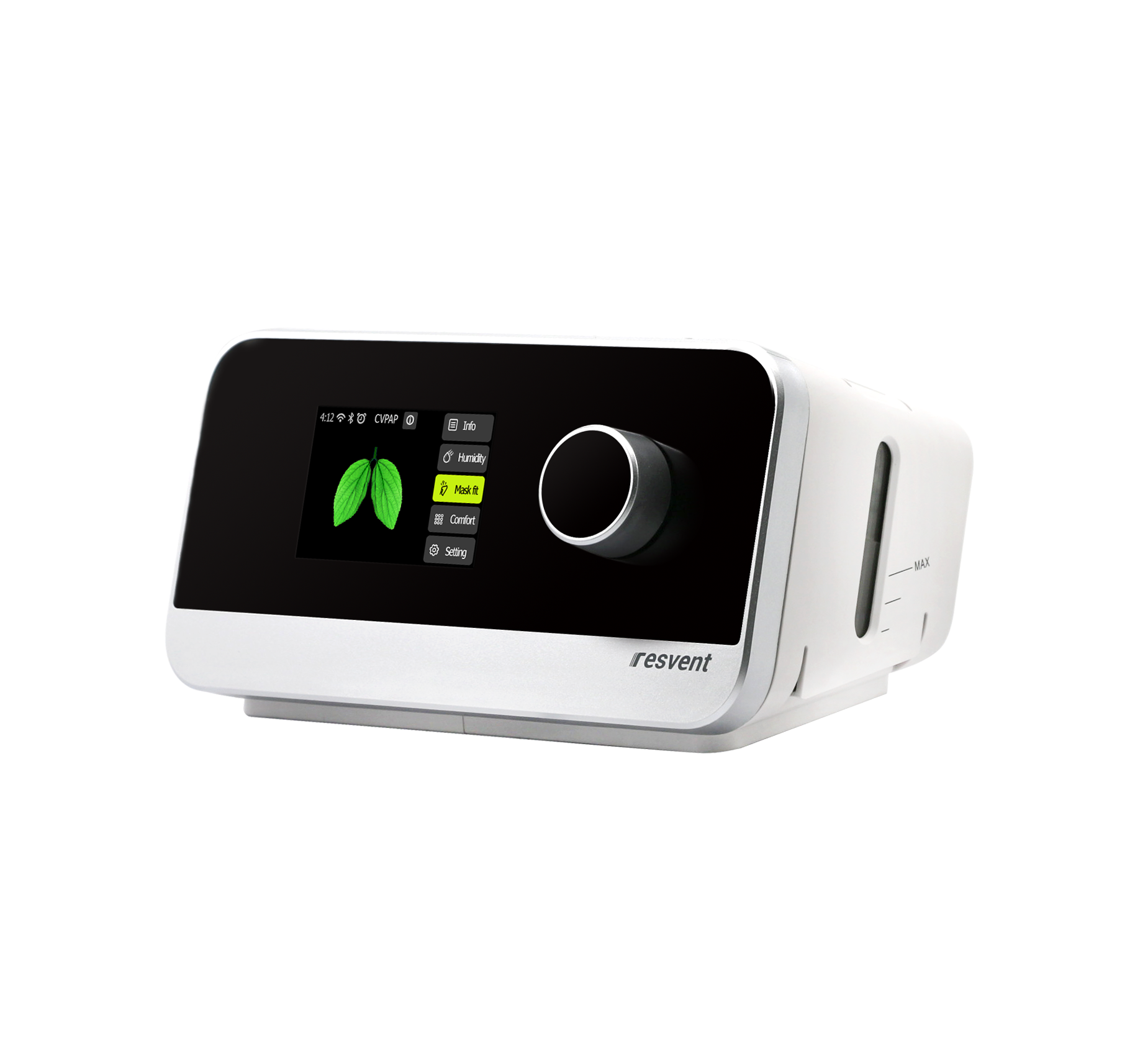
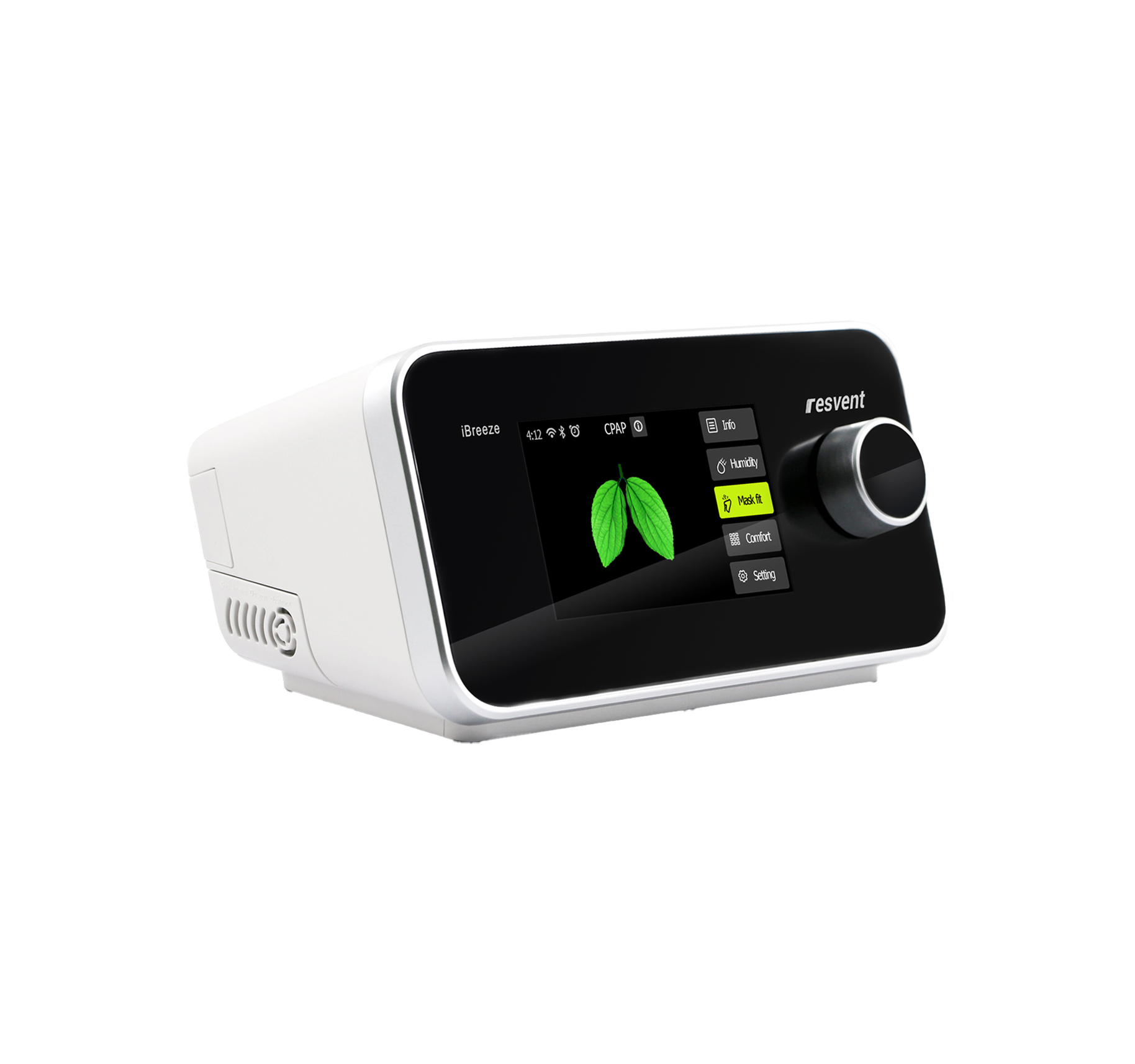
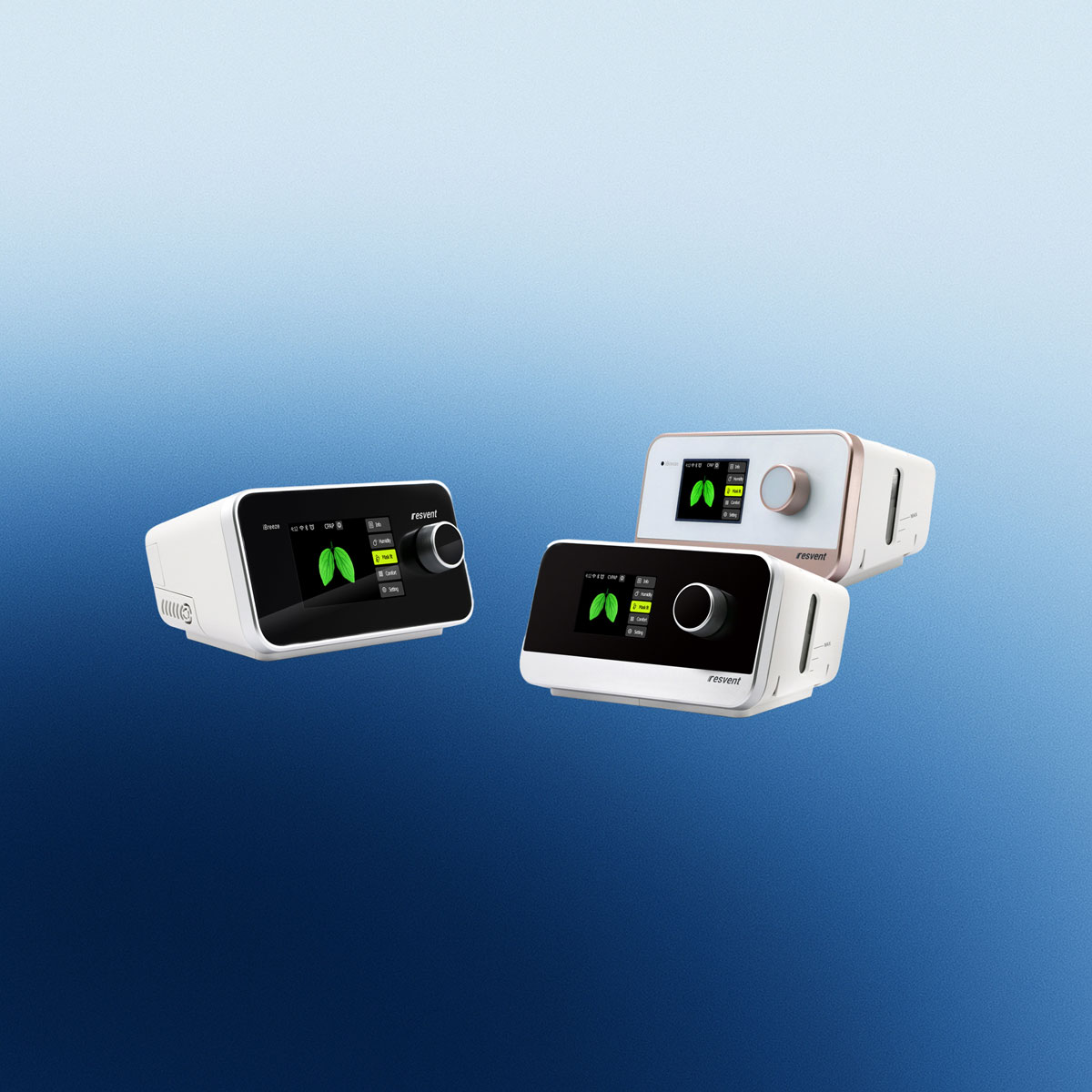
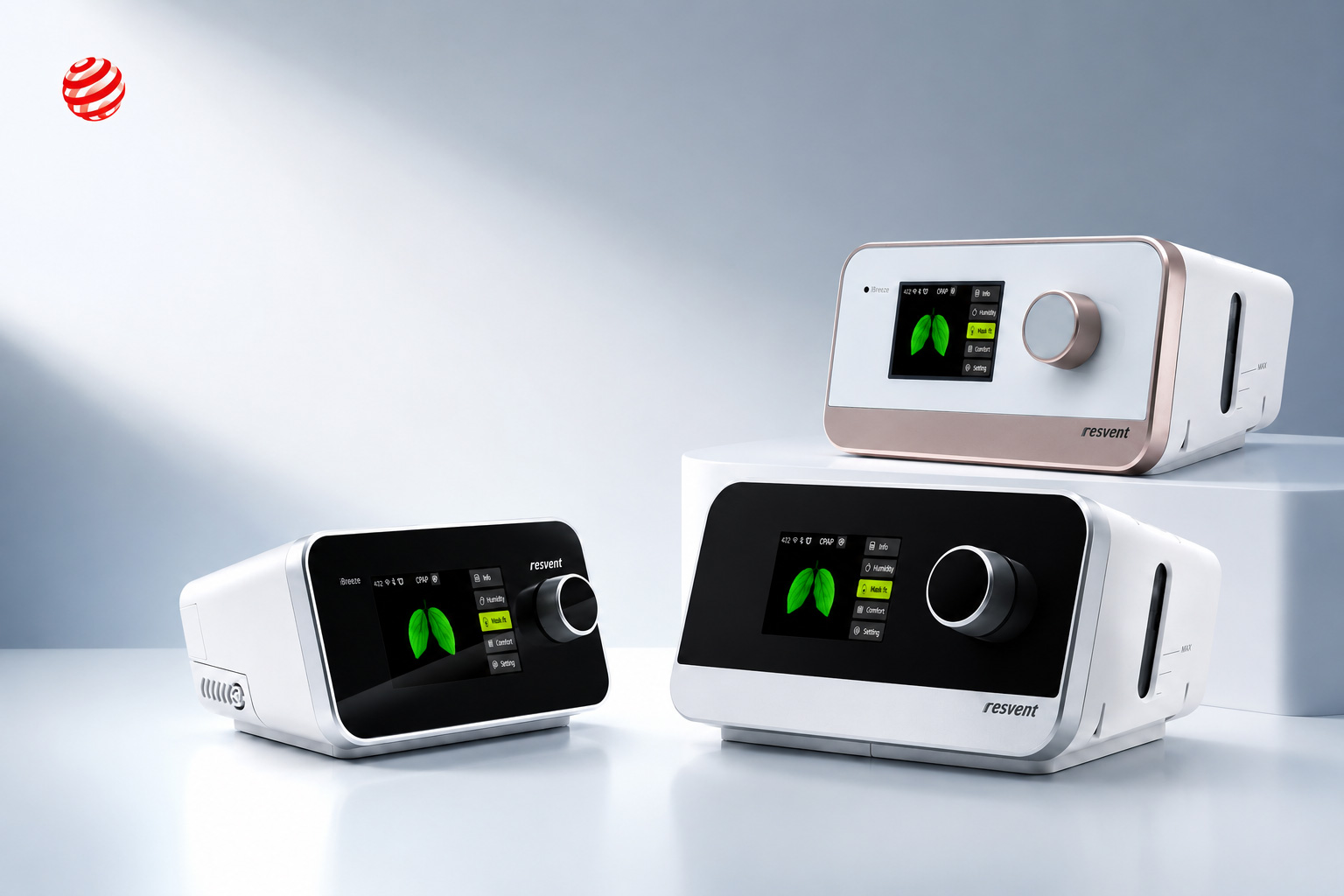
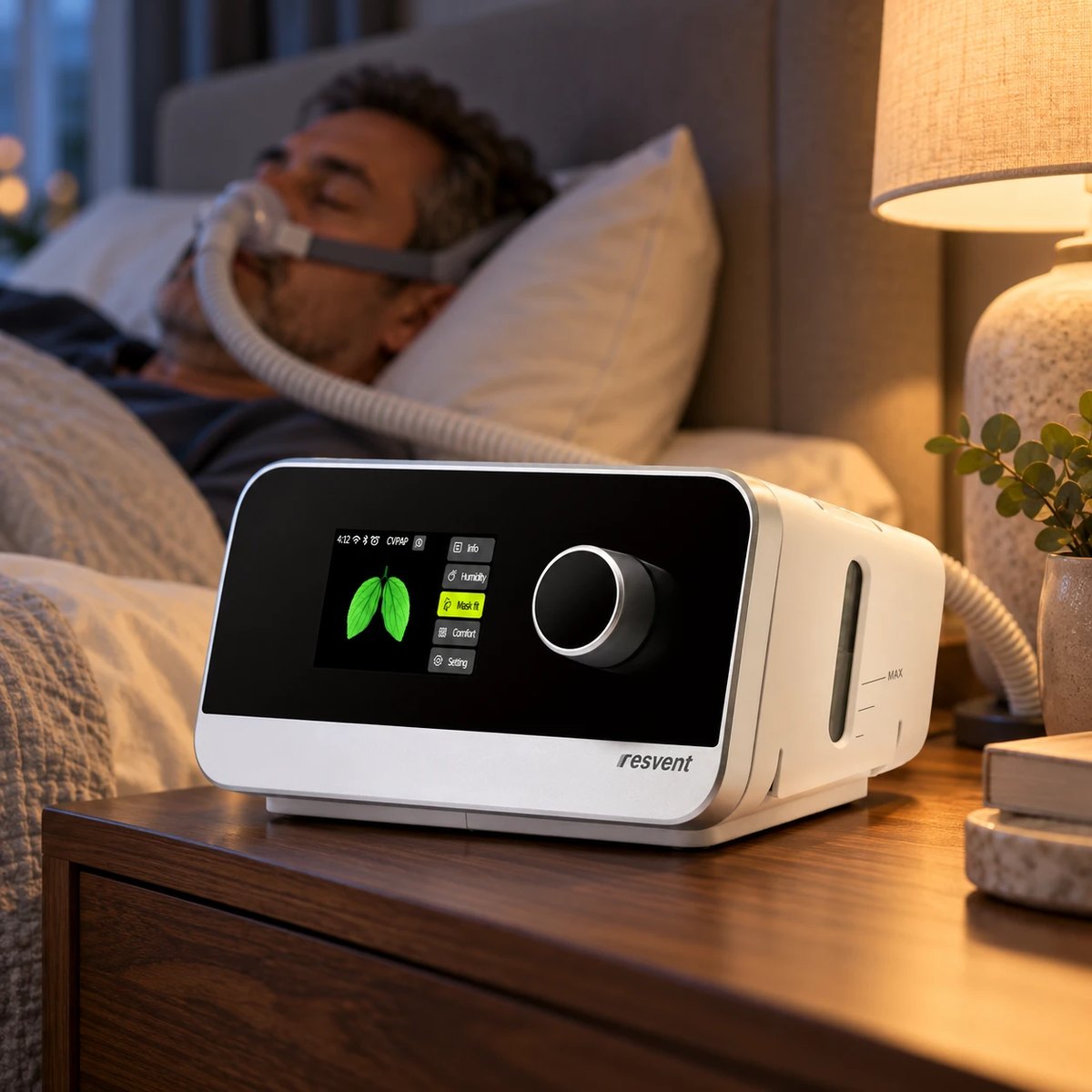
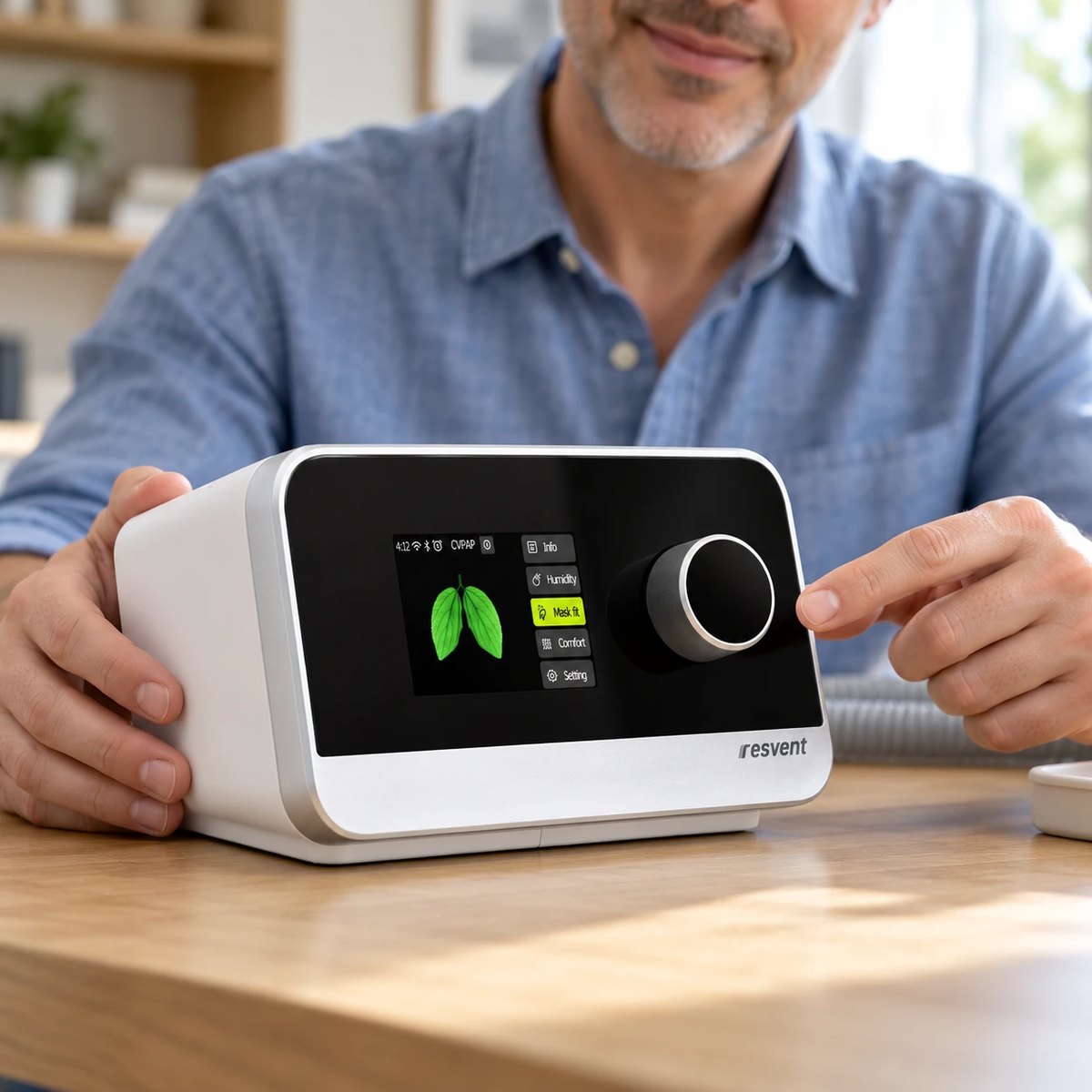
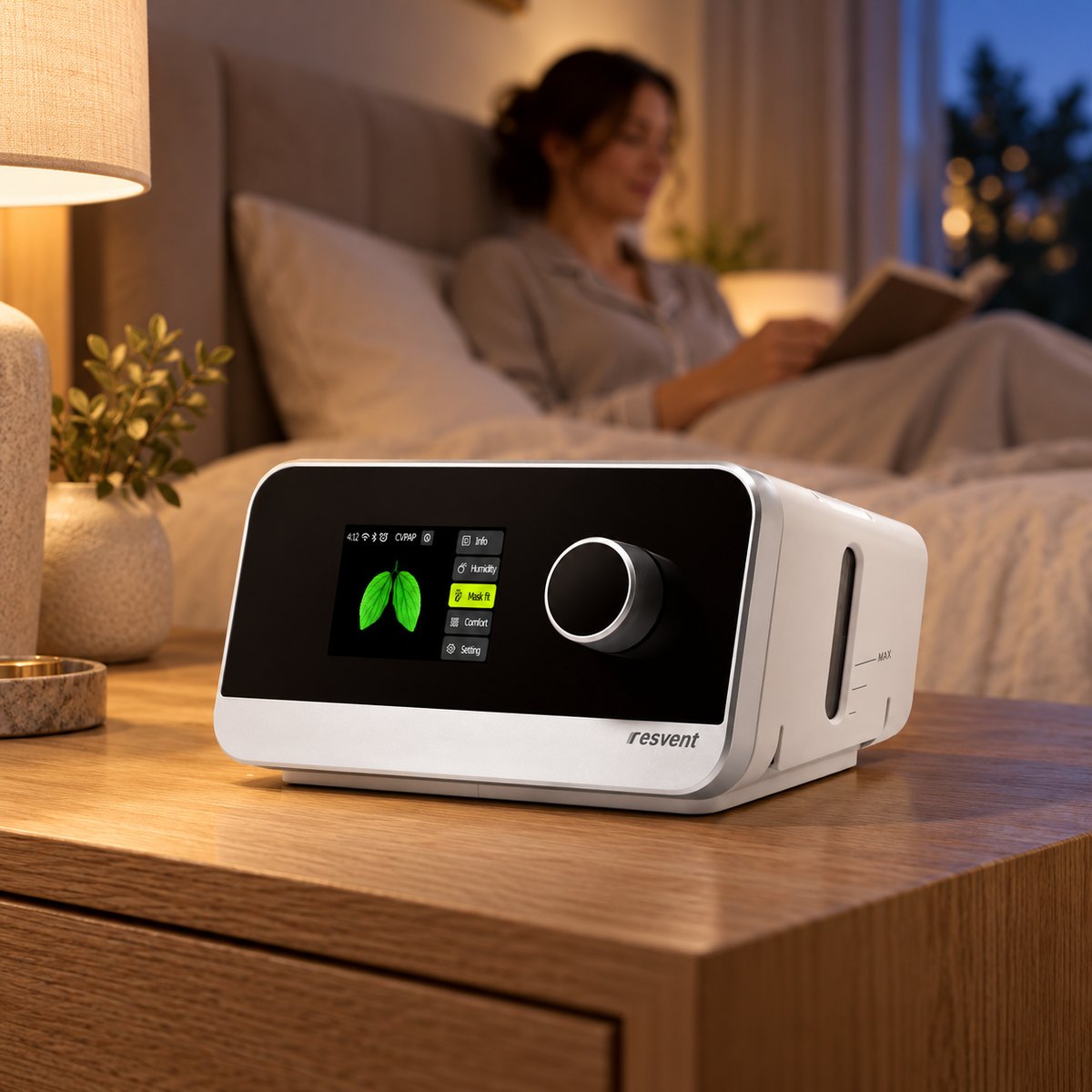
A fixed CPAP delivers one pressure all night. An APAP, also called auto CPAP, adjusts pressure breath by breath between a minimum and a maximum set by the clinician. The iBreeze CPAP/APAP (Resvent iBreeze 20A) runs both modes from 4 to 20 cmH₂O, so one SKU covers both prescriptions. The iBreeze III series adds CPAP Pro and APAP Pro variants for clinicians who want deeper therapy customization.
BiPAP vs CPAP
A BiPAP (BPAP or bilevel) machine delivers two pressures: a higher inspiratory pressure (IPAP) and a lower expiratory pressure (EPAP). Physicians prescribe it for patients who need more support, such as central apnea, COPD overlap or obesity hypoventilation. The iBreeze BPAP offers S, ST, T and CPAP modes, IPAP up to 30 cmH₂O and EVAPS, which adjusts pressure support to hold a target tidal volume. Read what is a BiPAP machine for more detail.
CPAP pressure settings
Pressure is measured in cmH₂O and comes from the prescription, usually after a sleep study or a titration night. Check that the device range covers it: 4 to 20 cmH₂O on the iBreeze CPAP/APAP, iBreeze+ and iBreeze III, and IPAP 4 to 30 with EPAP 4 to 25 cmH₂O on the iBreeze BPAP. Smart Ramp (up to 60 minutes) and Intelligent Pressure Release (IPR) make falling asleep and exhaling against pressure more comfortable.
Diagnosis comes first
Home sleep testing takes diagnosis beyond the sleep lab. The iApneaMate S3 is an AASM Type III recorder that captures nasal airflow, thoracic effort, SpO₂, pulse rate, body position and snoring, so a clinic can screen, diagnose and then start therapy with one supplier.
How to choose a CPAP machine
- Humidification: a heated humidifier reduces nasal and throat dryness. The iBreeze has 8 levels with automatic ambient temperature and humidity sensing; the iBreeze III supports heated tubing to limit condensation in the hose.
- Noise: the iBreeze is rated at 28 dB(A) or less and the iBreeze III at 25 dB or less.
- Data and connectivity: SD card as standard, optional WiFi or GSM/GPRS modules, and the ResAssist cloud for usage hours, AHI and leak data plus remote pressure adjustment. See how connected CPAP and oxygen concentrators work.
- Power: every iBreeze model accepts universal 100 to 240 V input.
Choosing a travel CPAP machine
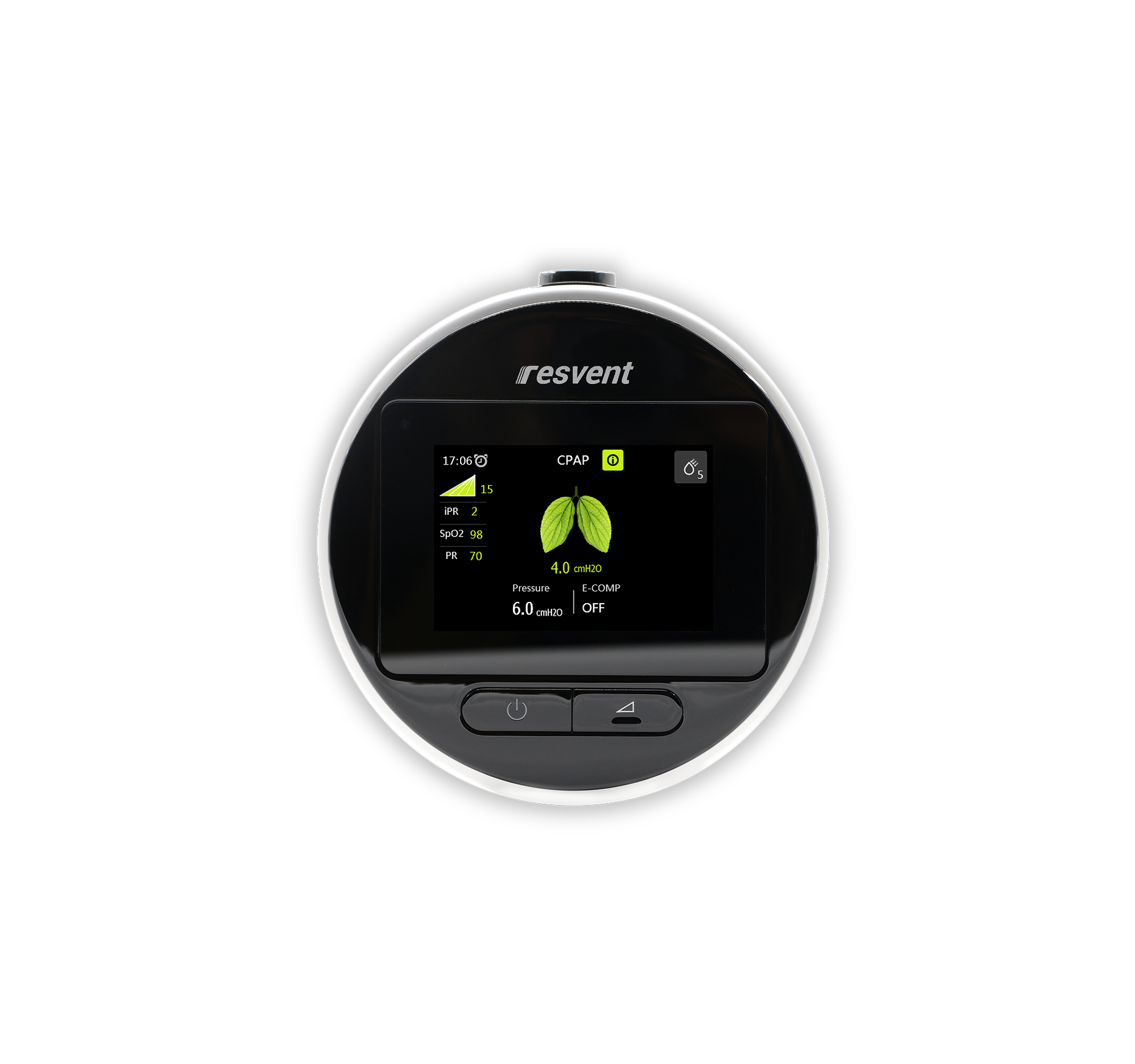
A travel CPAP machine should be light, run on battery and still deliver full therapy. The iBreeze+ weighs 680 g, works in CPAP or APAP mode, offers up to 12 hours of battery life with an optional modular battery and uses a detachable water tank. It also suits homecare programs in areas with unreliable electricity.
Masks are sold separately
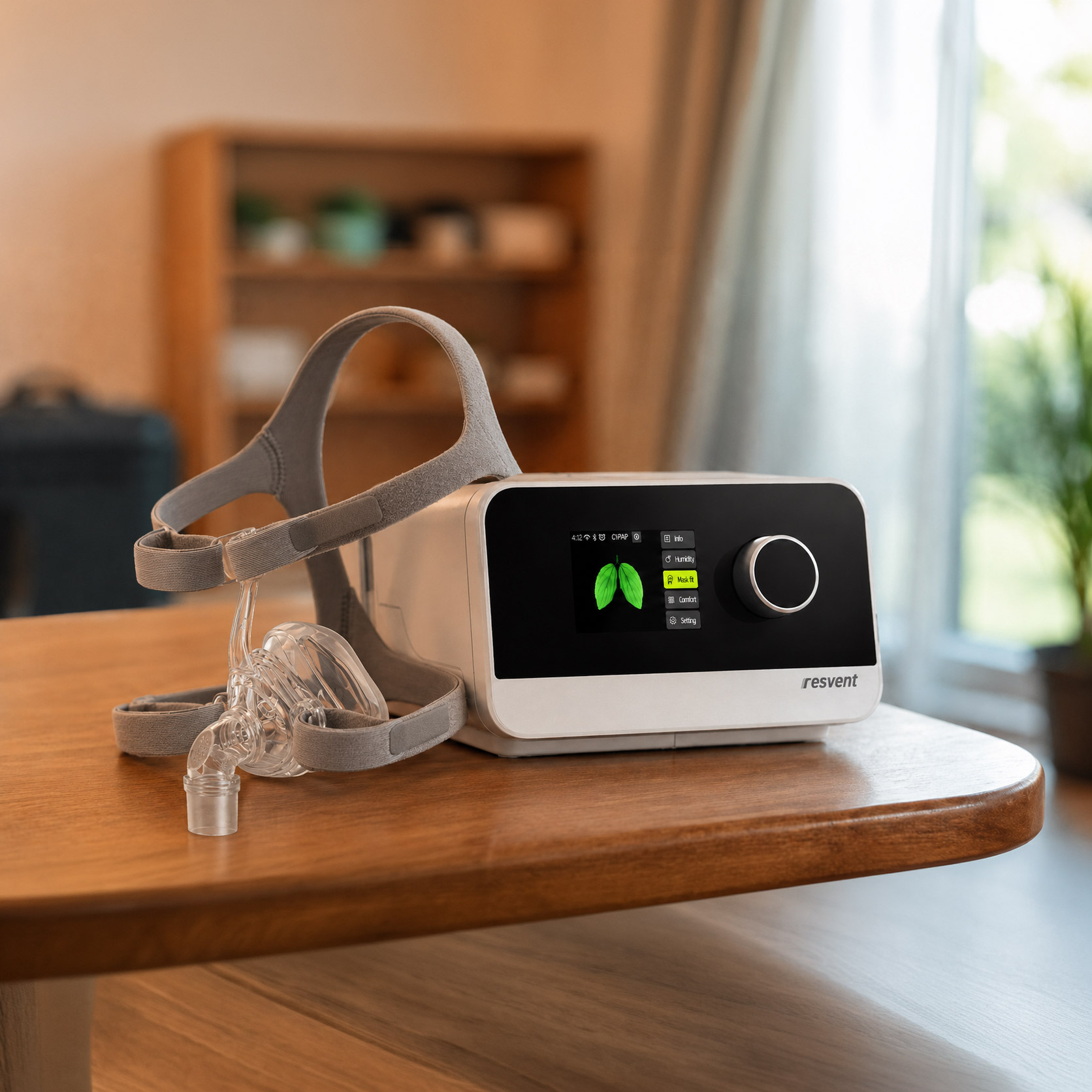
Every iBreeze device uses a standard 22 mm connection. The iRiFiT N300 nasal mask seals around the nose with a low profile frame; the iRiFiT F300 full face mask covers nose and mouth for mouth breathers and higher pressures. Both ship with S, M and L cushions. Browse masks and interfaces or read about the best CPAP mask for side sleepers.
Maintenance and supplies
Clean the mask and water chamber as the manual directs, use distilled water in the humidifier and replace filters, cushions, masks and tubing on the manufacturer's schedule. Homecare programs should budget a recurring supply plan for each patient.
Buying CPAP machines for clinics, homecare and distribution
Institutional buyers in Latin America weigh different factors than individual patients:
- Fleet compliance data: ResAssist collects usage, AHI and leak data from every connected device in one dashboard and generates compliance reports for insurers and public health programs. The GSM module works where WiFi is unreliable.
- Sanitary registration: before a device is sold, the importer must meet the requirements of each country's health authority: COFEPRIS in Mexico, INVIMA in Colombia, ISP in Chile, ANMAT in Argentina and DIGEMID in Peru. iBreeze devices carry CE and ISO 13485 documentation, and SysMed USA provides regulatory documentation support for each country. Read why FDA and CE certifications matter.
- One platform: CPAP, APAP, BiPAP and travel units share the same cloud, accessories and training, which simplifies spare parts and inventory.
Request a wholesale quote with your volumes, destination country and models of interest.
CPAP vs APAP vs BiPAP comparison
| Type | How pressure works | SysMed model range | Typical use (with prescription) | Noise and weight | SysMed model |
|---|---|---|---|---|---|
| CPAP (fixed) | One constant pressure all night | 4 to 20 cmH₂O | Obstructive sleep apnea with a titrated pressure | ≤28 dB(A), ~1.5 kg (iBreeze); ≤25 dB (iBreeze III) | iBreeze CPAP/APAP in CPAP mode; iBreeze III CPAP and CPAP Pro |
| APAP (auto CPAP) | Adjusts breath by breath between a prescribed minimum and maximum | 4 to 20 cmH₂O | Obstructive sleep apnea; one device covers a pressure range | ≤28 dB(A), ~1.5 kg (iBreeze); ≤25 dB (iBreeze III) | iBreeze CPAP/APAP in APAP mode; iBreeze III APAP and APAP Pro |
| BiPAP (BPAP, bilevel) | Two pressures: IPAP to inhale, EPAP to exhale; S, ST, T modes and EVAPS | IPAP 4 to 30 cmH₂O; EPAP 4 to 25 cmH₂O | Central apnea, COPD overlap, obesity hypoventilation | Not listed in the spec sheet | iBreeze BPAP |
| Travel CPAP/APAP | CPAP or APAP on battery or mains power | 4 to 20 cmH₂O | Travel and sites with unreliable power; battery up to 12 hours | 680 g; noise not listed | iBreeze+ |
How much does a CPAP machine cost in Latin America?
Public retail ranges by country. SysMed USA quotes by volume and does not publish prices.
Need volume pricing with CE and ISO 13485 documentation?
Request a wholesale quoteA new CPAP or APAP machine for home use sells at Latin American online retailers for roughly USD 265 to USD 1,380, depending on country, brand and included accessories. BiPAP machines cost more because of their two pressure levels and extra modes. These are public retail ranges:
| Country | New CPAP or APAP | New BiPAP |
|---|---|---|
| Mexico | MXN 9,600 to 23,000 (about USD 525 to 1,260) | MXN 20,000 to 39,000 (about USD 1,090 to 2,130) |
| Colombia | COP 2,300,000 to 4,400,000 (about USD 695 to 1,330) | COP 4,400,000 to 5,730,000 (about USD 1,330 to 1,730) |
| Chile | CLP 260,000 to 1,340,000 (about USD 265 to 1,380) | CLP 580,000 to 2,500,000 (about USD 595 to 2,570) |
| Argentina | ARS 460,000 to 1,850,000 (about USD 300 to 1,215) | ARS 1,225,000 to 2,270,000 (about USD 805 to 1,490) |
Travel CPAP machines sit at the top of the range: in Mexico they sell for MXN 19,900 to 27,300. BiPAP units with ST or adaptive servo ventilation (ASV) modes reach MXN 45,000 or more. In Peru, most specialist distributors do not publish prices and quote on request, so no range is shown.
What drives CPAP machine cost
- Therapy type: fixed CPAP is the most affordable, APAP costs more, and BiPAP with ST or volume assured modes is the most expensive.
- Brand and generation: the newest models from global brands sit at the top of each range.
- Accessories: kits with a mask, humidifier and heated tubing raise the final price.
- Connectivity: WiFi, cellular modems and cloud platform access.
- Import costs: exchange rate, duties, sanitary registration and local warranty.
Reference ranges from online stores, October 2026: specialist sleep therapy retailers, pharmacy and department store chains, and national marketplaces. Prices are for new devices, including taxes where the store shows them, and exclude rentals, used units and overseas sellers. USD conversions use exchange rates from October 2, 2026.
Buying for an institution or for resale? SysMed USA does not sell to patients or publish prices. We quote volume orders for hospitals, clinics, homecare providers and distributors, with sanitary registration documents and fleet connectivity options. Request a wholesale quote.
Frequently asked questions
Need volume pricing or import documents for your country?
Request a quoteHow much does a CPAP machine cost?
Public retail prices for a new CPAP or auto CPAP (APAP) in October 2026 ranged from about MXN 9,600 to 23,000 in Mexico, COP 2,300,000 to 4,400,000 in Colombia, CLP 260,000 to 1,340,000 in Chile and ARS 460,000 to 1,850,000 in Argentina, roughly USD 265 to 1,380. Bilevel (BiPAP) machines start around USD 595 in Chile and USD 1,090 in Mexico.
Price depends on therapy type, brand, humidifier, heated tubing, connectivity and whether a mask is included. SysMed USA does not sell to patients or publish prices; hospitals, clinics, homecare providers and distributors can request a wholesale quote.
What is the difference between CPAP, APAP and BiPAP?
CPAP delivers one constant pressure all night, set by the physician. APAP (auto CPAP) adjusts pressure breath by breath between a prescribed minimum and maximum. BiPAP (also called BPAP or bilevel) delivers a higher inspiratory pressure (IPAP) and a lower expiratory pressure (EPAP), and its ST and T modes can add timed breaths.
CPAP and APAP are used for obstructive sleep apnea. BiPAP is prescribed when a patient needs two pressure levels or more support, for example in central apnea, COPD overlap or obesity hypoventilation. The iBreeze CPAP/APAP covers 4 to 20 cmH₂O and the iBreeze BPAP reaches 30 cmH₂O IPAP.
Do you need a prescription to buy a CPAP machine?
Yes. CPAP, APAP and BiPAP machines are medical devices meant to be used under a physician's prescription. The usual path is a sleep study (in a sleep lab or at home), a diagnosis, and a prescription that sets the therapy type and pressure. Many specialist retailers in Latin America ask for the prescription before selling.
For clinics and homecare programs, a home recorder such as the iApneaMate S3 (AASM Type III) supports diagnosis outside the sleep lab. Pressure settings should only be changed under medical supervision.
How long does a CPAP machine last and how often are supplies replaced?
As a reference, US Medicare treats five years as the useful lifetime of a CPAP device. Supplies wear out much faster: Medicare's replacement schedule allows a full face mask every 3 months, a full face cushion every month, nasal cushions twice a month, tubing every 3 months, disposable filters twice a month and a humidifier water chamber every 6 months.
Always follow the manufacturer's manual for the specific model. Homecare and institutional programs should budget a recurring supply plan per patient, for example with iRiFiT N300 and iRiFiT F300 replacement cushions, to keep therapy hygienic.
What sanitary registration does a CPAP need to be imported into Mexico or Colombia?
Each country regulates CPAP machines as medical devices through its health authority: COFEPRIS in Mexico, INVIMA in Colombia, ISP in Chile, ANMAT in Argentina and DIGEMID in Peru. In Mexico and Colombia the device needs a valid sanitary registration (registro sanitario) before it is marketed, and imports must be covered by that registration.
The dossier relies on the manufacturer's documentation, such as CE marking and ISO 13485 certificates. SysMed USA provides regulatory documentation support for country specific import and registration requirements. See why FDA and CE certifications matter.
Can you take a CPAP machine on a plane?
In most cases, yes. Airlines generally allow a CPAP as a medical device in the cabin, and in the United States it does not count toward the carry on limit. Rules for using it during the flight and for spare lithium batteries vary by airline, so confirm with the carrier in advance, carry the prescription and empty the humidifier before packing.
For frequent travel, a compact unit helps. The iBreeze+ travel CPAP weighs 680 g, runs in CPAP or APAP mode, accepts 100 to 240 V power and offers up to 12 hours of battery life.
What pressure settings does a CPAP machine use?
CPAP pressure is measured in centimeters of water (cmH₂O) and set by the physician from a sleep study or a titration night. With fixed CPAP the clinician sets one pressure; with APAP the clinician sets a minimum and a maximum and the device adjusts within that range; with BiPAP the clinician sets separate inspiratory (IPAP) and expiratory (EPAP) pressures.
The iBreeze CPAP/APAP, iBreeze+ and iBreeze III work from 4 to 20 cmH₂O. The iBreeze BPAP offers IPAP from 4 to 30 cmH₂O and EPAP from 4 to 25 cmH₂O. Comfort features such as Smart Ramp and Intelligent Pressure Release (IPR) ease the start of therapy. Patients should not change settings on their own.
Related guides

Why distributors choose SysMed USA
A wholesale distributor of respiratory therapy devices built for B2B buyers: homecare providers, distributors and hospital procurement teams across Latin America.
Every device comes from Resvent Medical Technology, an ISO 13485 certified manufacturer with CE marking and registrations across Latin America.
Stock held in our US facility for fast fulfillment to Mexico, Colombia, Argentina, Chile, Costa Rica, Panama, Ecuador and Uruguay.
CE and ISO 13485 documentation to support registro sanitario with each country's health authority.