Wholesale Respiratory Devices for Uruguay
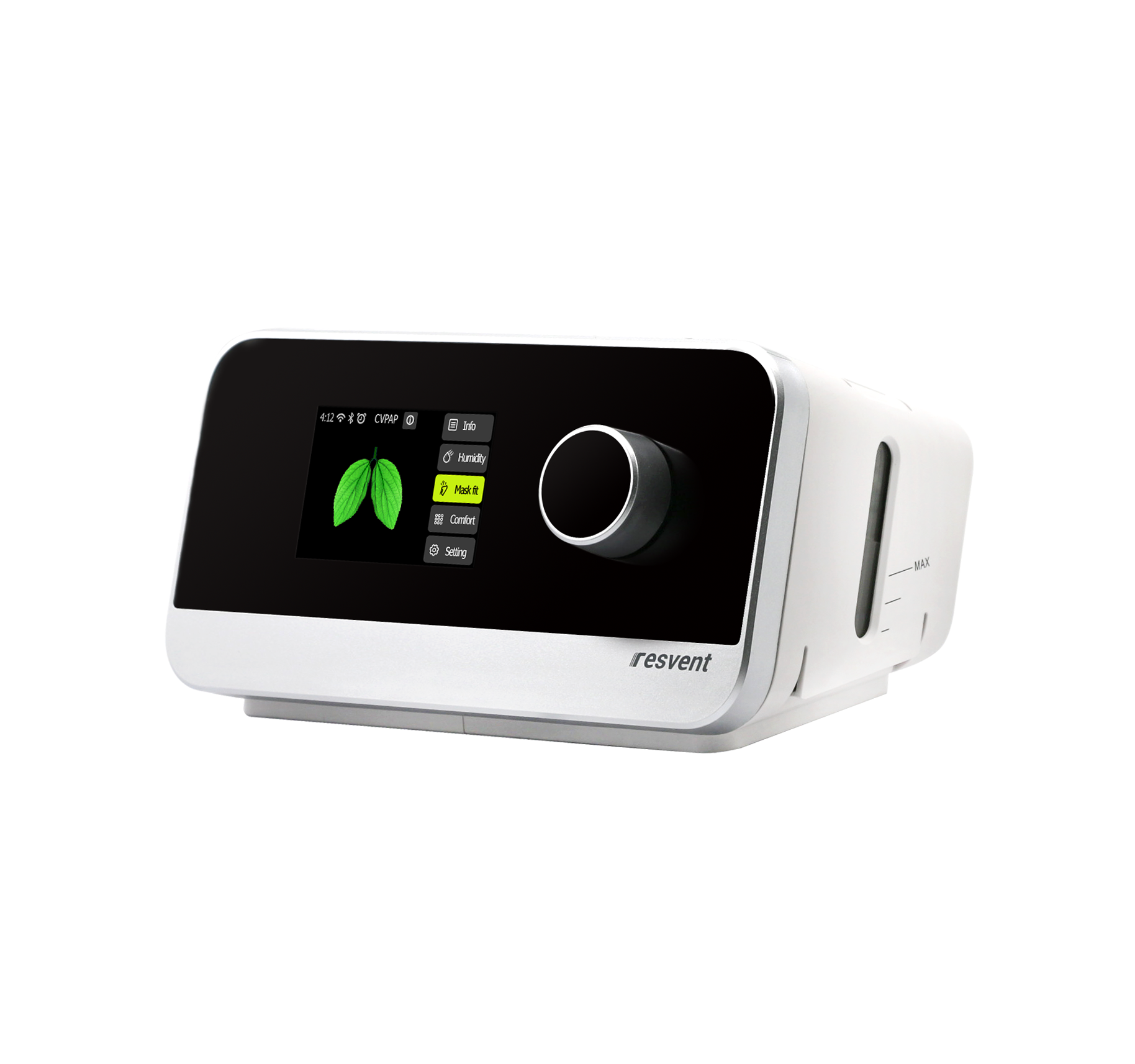
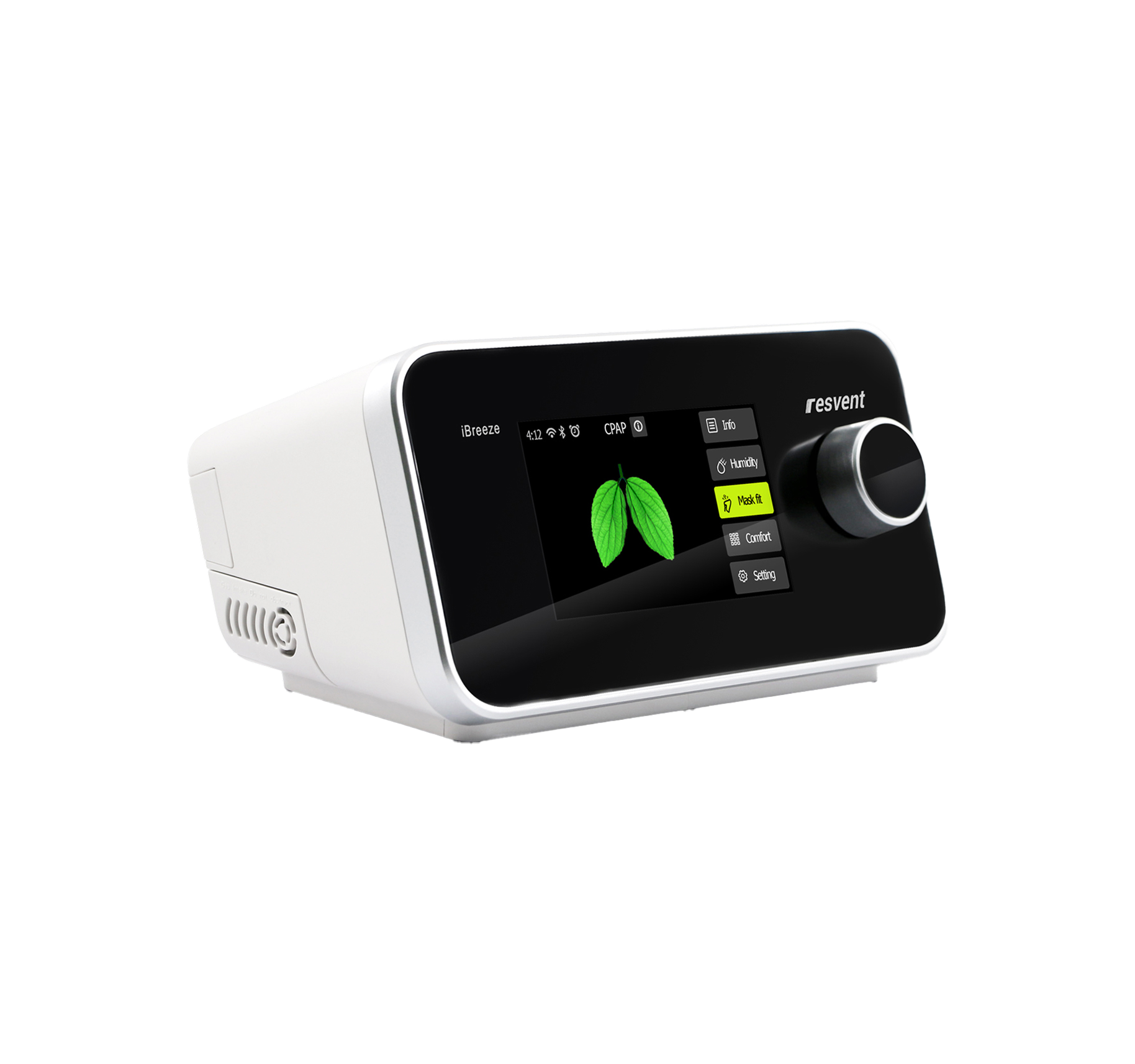
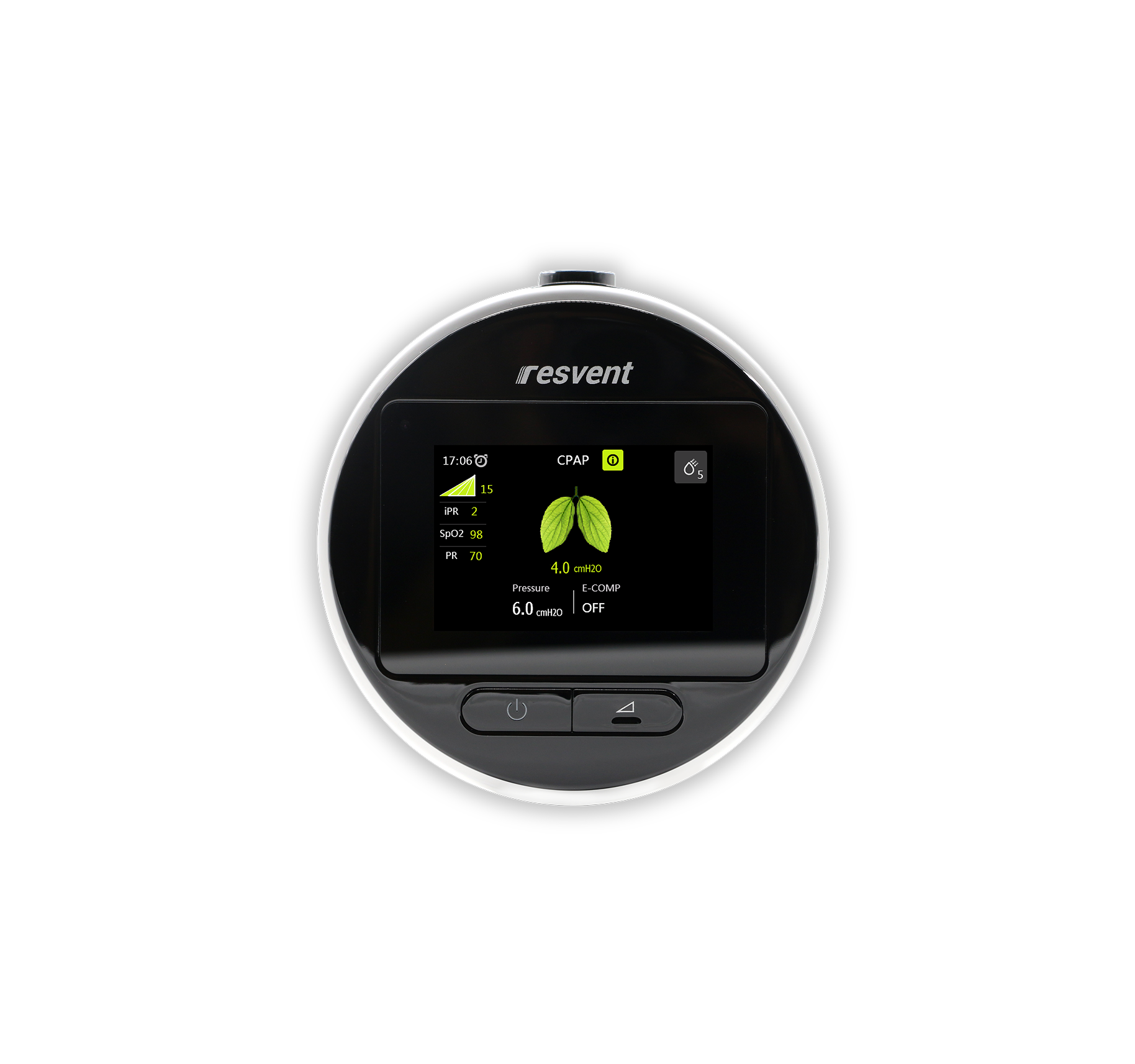
FDA-registered Resvent ventilators, CPAP/BiPAP systems, and oxygen concentrators with MSP registration support and direct Montevideo port access.
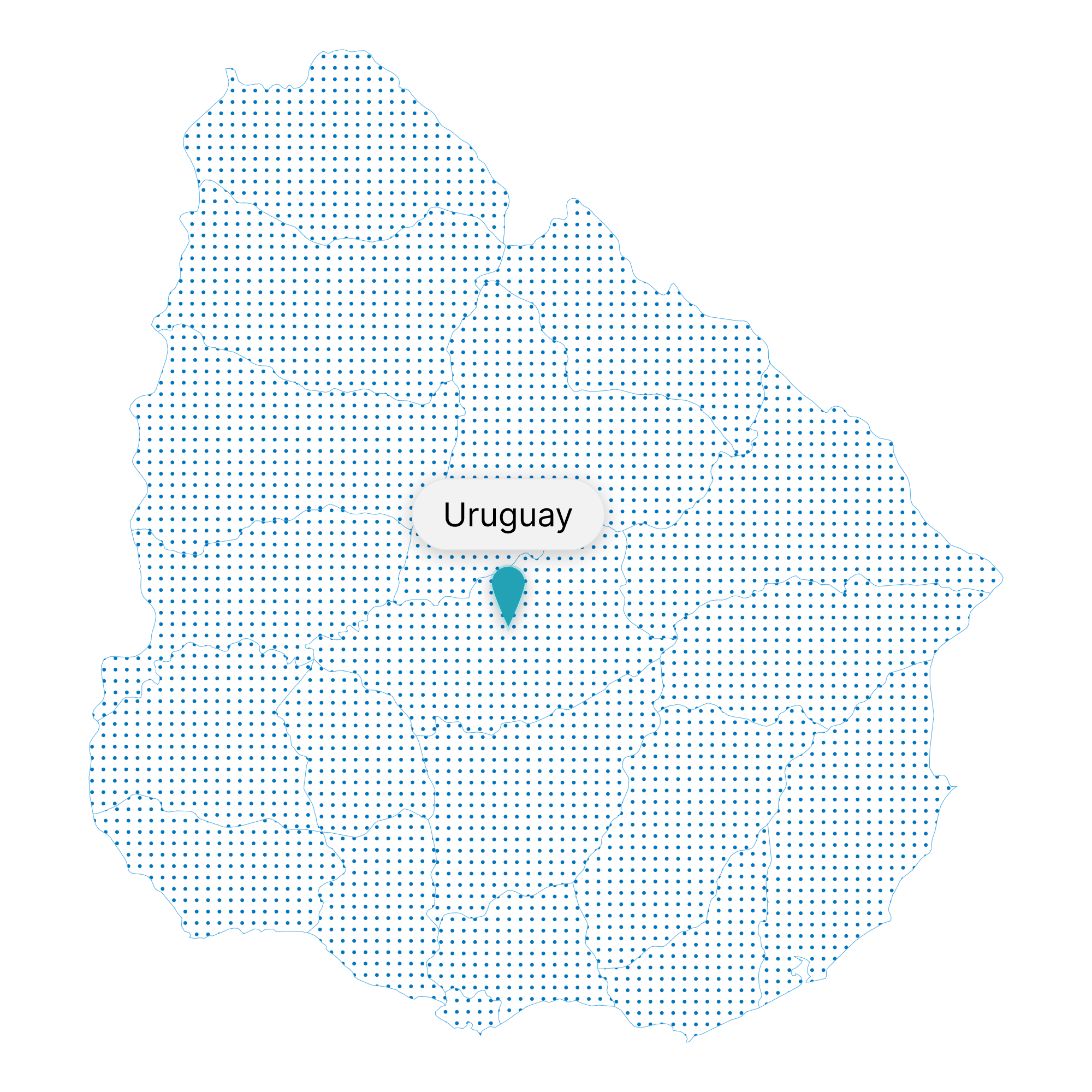
Among the highest healthcare spending rates in Latin America with universal SNIS coverage and strong U.S. trade ties.
Uruguay allocates 9% of GDP to healthcare — on track to reach 10% by 2027. U.S. suppliers account for 31% of medical device imports, and the dual public-private SNIS system drives procurement of respiratory equipment and oxygen concentrators from both government tenders and private Mutualista networks.
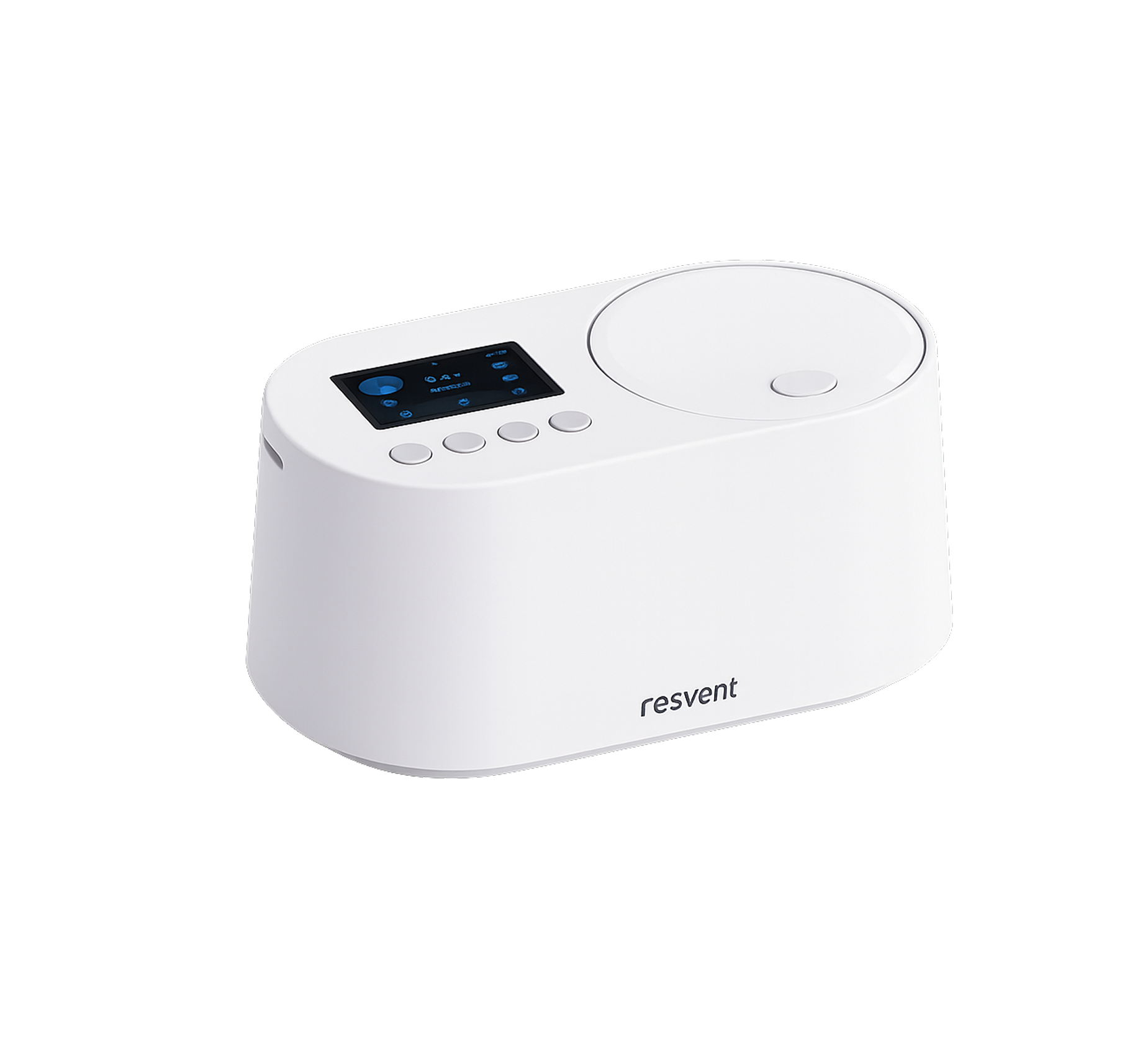
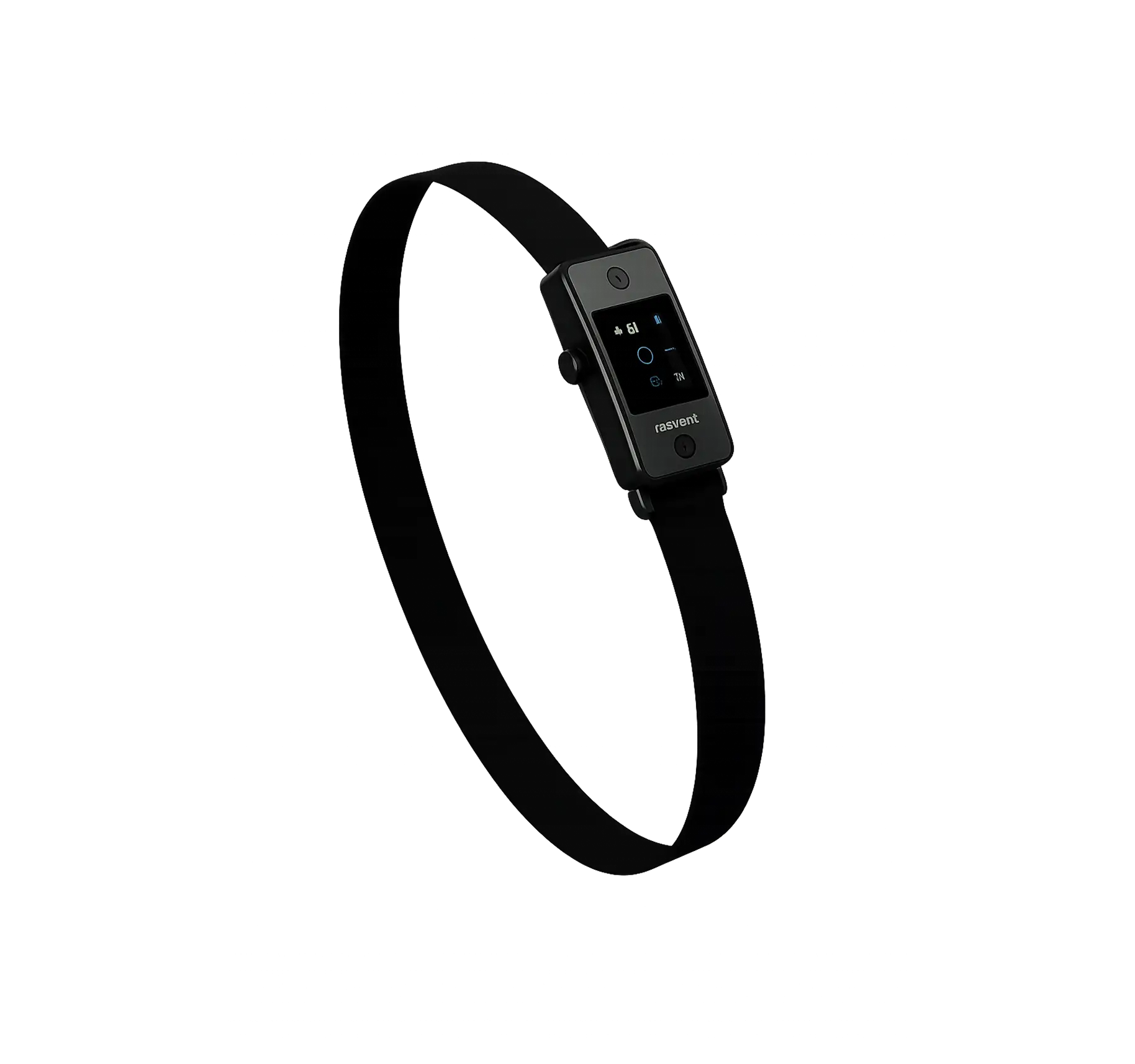
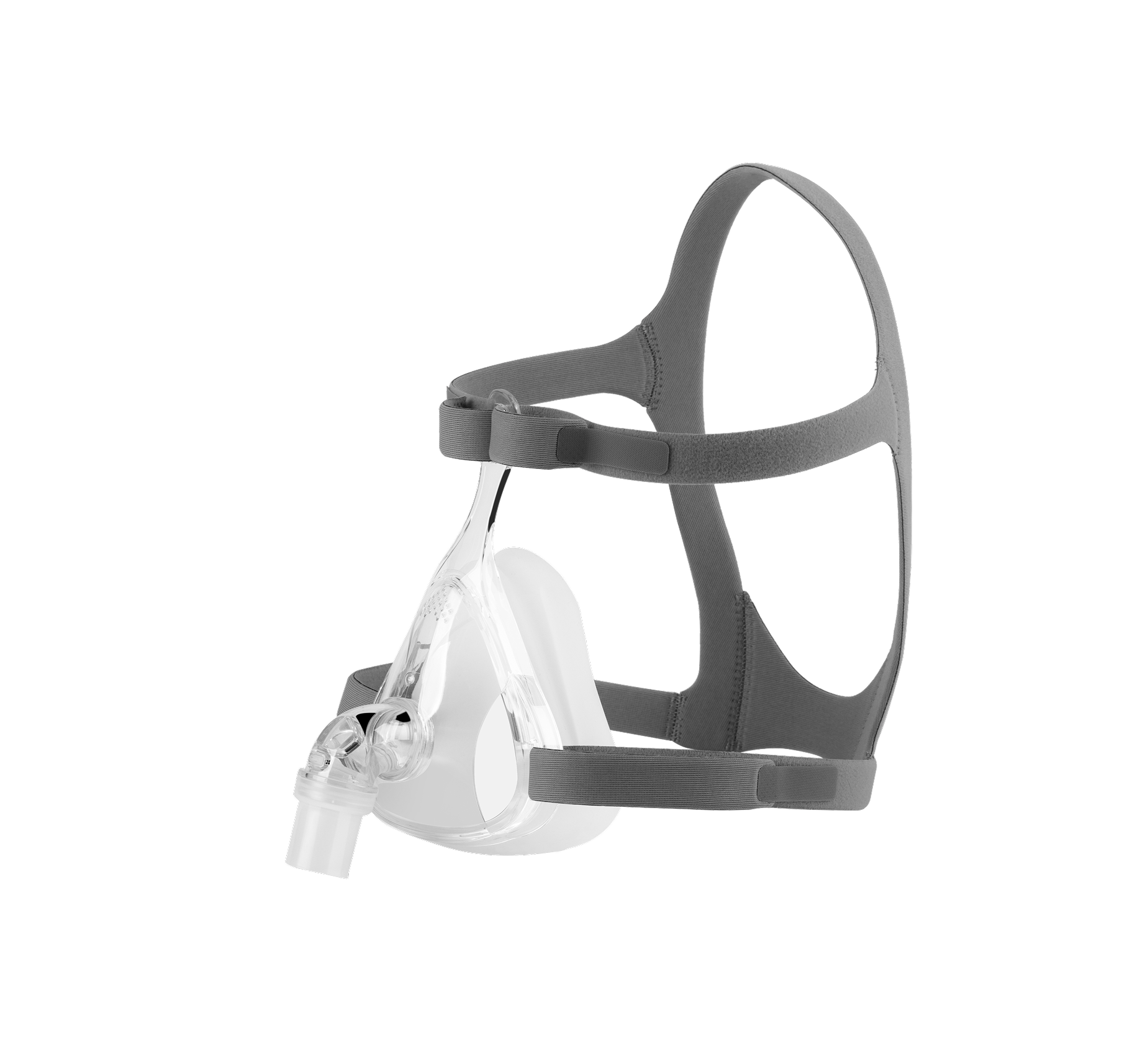
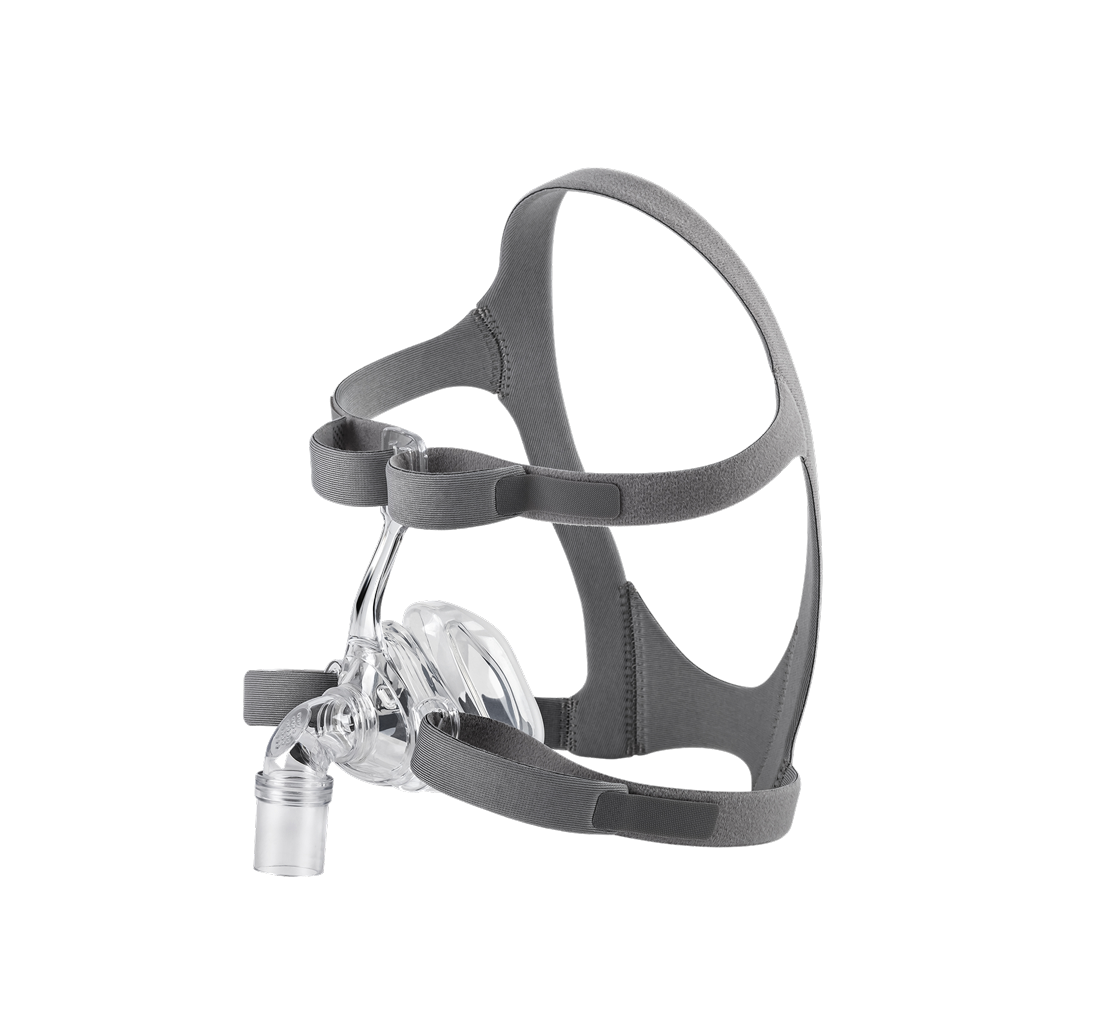
Respiratory Equipment for Institutional Buyers

MSP Registration & Mercosur Harmonization
Uruguay's MSP (Ministerio de Salud Pública) handles medical device authorization through its División de Evaluación Sanitaria. The registration process is thorough — expect 6–12 months for standard submissions, longer for Class III and IV devices. All documentation must be submitted in Spanish and comply with Mercosur GMC Resolution harmonization requirements, which standardize device classification and quality system expectations across the bloc.
The upside: Uruguay's regulatory system is transparent and well-organized. ISO 13485 certification and GMP documentation aligned with Mercosur's Buenas Prácticas de Fabricación (BPF) standards are recognized, which means SysMed's existing quality system evidence translates cleanly. We provide the complete MSP submission package for the full portfolio — ventilators, PAP systems, and oxygen concentrators — including Certificates of Free Sale, FDA 510(k) records, risk management files, and all labeling translated to Rioplatense Spanish. Registrations are valid for 5 years.
Established U.S. Trade Corridor to Montevideo
The U.S. accounts for 31% of Uruguay's medical device imports — the largest single-country share. The US-Uruguay TIFA (Trade and Investment Framework Agreement) provides a structured facilitation channel, and Uruguayan customs at the Port of Montevideo are thoroughly familiar with U.S.-origin medical device shipments.
We ship from Miami via ocean freight to the Port of Montevideo or air cargo to Carrasco International Airport. End-to-end lead time runs 1–2 weeks for oxygen concentrators and 2–3 weeks for PAP devices, with air freight available for urgent orders. SysMed provides all documentation formatted for Uruguay's Dirección Nacional de Aduanas; applicable duties and taxes depend on each device's HS classification and country of manufacture, and your customs broker can confirm landed cost.
ASSE, Mutualistas & a Concentrated Market
Uruguay's healthcare market is compact but sophisticated. The SNIS (Sistema Nacional Integrado de Salud) universal coverage system channels demand through two main procurement paths: ASSE (Administración de los Servicios de Salud del Estado) manages public hospital purchasing, while private mutualista health networks — including institutions like Asociación Española, CASMU, and Médica Uruguaya — operate independent procurement departments.
Geography works in the distributor's favor here. Montevideo concentrates approximately 70% of national medical device demand, which means a single logistics hub can cover the majority of the market. Uruguay allocates 9% of GDP to healthcare (on track for 10% by 2027), and the combination of an aging population and increasing respiratory disease diagnosis rates sustains growing demand for ventilator, PAP therapy, and oxygen therapy equipment.
SysMed supports Uruguayan distributors with bilingual account management, MSP renewal tracking, and procurement alignment across both ASSE tender processes and mutualista purchasing cycles.
SysMed powers smarter respiratory care
Regulatory Compliance & Certifications
Cloud-Connected for Value-Added Services
20+ Years of Experience in LATAM Markets
How to Order from SysMed USA
Request Your Quote
Tell us your product requirements, order volume, and destination country.
Receive Compliance Documentation
We provide the technical specifications, FDA and CE certifications, and registration documents your regulatory and procurement teams need to approve the purchase.
Coordinate Logistics and Delivery
We manage export documentation and shipping to your country, with clear lead times and customs guidance for every LATAM market we serve.
Get Training and After-Sales Support
Your team receives product training, technical documentation, and ongoing support from first deployment through the full equipment lifecycle.
Frequently Asked Questions
What is the Mercosur GMP harmonization framework, and how does it affect device imports into Uruguay?
Mercosur GMC Resolutions standardize medical device regulation across the bloc (Argentina, Brazil, Paraguay, Uruguay). The framework harmonizes device classification, quality system requirements, and GMP standards under Buenas Prácticas de Fabricación (BPF) — Mercosur's equivalent of FDA QSR or EU MDR manufacturing requirements.
For U.S. manufacturers with ISO 13485 certification, this is favorable: BPF standards are recognized as equivalent to international quality management frameworks. SysMed's existing quality system documentation — ISO 13485 certificates, GMP evidence, FDA QSR compliance records — translates cleanly into Mercosur BPF requirements without needing separate local audits or factory inspections.
How do ASSE and mutualista procurement differ for respiratory devices in Uruguay?
Uruguay's SNIS (Sistema Nacional Integrado de Salud) channels demand through two procurement paths with distinct dynamics:
ASSE (Administración de los Servicios de Salud del Estado) manages public hospital purchasing through centralized tender processes — formal licitaciones with structured timelines, documentation requirements, and multi-year contract potential. Mutualistas — private health networks including Asociación Española, CASMU, and Médica Uruguaya — operate independent procurement departments with faster decision cycles and more relationship-driven purchasing.
Most distributors work both channels. SysMed supports with documentation for ASSE tender submissions and relationship-building collateral for mutualista outreach, including clinical training materials and product comparison data.
How long does MSP registration take for respiratory devices in Uruguay?
Expect 6–12 months for standard MSP submissions, with longer timelines for higher-risk Class III and IV devices. All documentation must be submitted in Spanish and comply with Mercosur GMC Resolution harmonization requirements. Registrations are valid for 5 years.
The timeline is longer than markets with FDA recognition pathways (Costa Rica, Panama), but Uruguay's process is transparent and well-organized. The key to avoiding delays: submit documentation in the exact format MSP's División de Evaluación Sanitaria expects, with all quality system evidence aligned to Mercosur BPF (Buenas Prácticas de Fabricación) standards. SysMed provides the complete pre-formatted submission package in Rioplatense Spanish.
How should Uruguayan distributors calculate landed cost on imported respiratory devices?
Landed cost has four components: product cost, freight to Montevideo or Carrasco, applicable duties and taxes, and customs brokerage. The variable component is duties and taxes — these depend on each device's HS classification and country of manufacture, and Uruguay's standard IVA treatment varies by device category, with some medical devices qualifying for reduced rates or exemptions.
SysMed provides the HS classification codes, certificates of origin, and freight quotes needed for an accurate calculation, all formatted for Uruguay's Dirección Nacional de Aduanas. Your customs broker confirms current duty and tax treatment for the specific devices and volumes you're ordering, so margins can be modelled before committing to purchase volumes.
Why does the U.S. hold 31% of Uruguay's medical device import market?
The 31% U.S. share of Uruguayan medical device imports — the largest single-country share — reflects several structural factors: established trade corridors through the Port of Montevideo, customs familiarity with U.S.-origin device shipments, regulatory alignment through Mercosur's recognition of international quality standards (ISO 13485, GMP), and the US-Uruguay TIFA trade facilitation framework.
For distributors, this means the import pathway is well-worn. Uruguayan customs brokers, regulatory consultants, and hospital procurement teams are accustomed to working with U.S. device documentation and packaging standards. There's less friction and fewer surprises than entering a market where U.S. imports are uncommon.
Ready to Supply Your Facilities in Uruguay?
Get wholesale pricing, MSP registration guidance, and logistics coordination from our LATAM specialists.