Oxygen Concentrator vs Oxygen Tank: Which to Choose for Home Use?
Oxygen concentrator or oxygen tank? We compare both options for home use: costs, mobility and when to use each one. Includes a guide by patient type.

Key Takeaways
- Oxygen concentrator: continuous, unlimited supply as long as it is plugged in. Ideal for chronic treatment at home.
- Oxygen tank: finite supply, but it works without electricity. Essential as a backup or in rural areas.
- For treatment lasting more than 3 months, a concentrator is usually more economical in the long run than periodic cylinder refills.
- CPAP and BiPAP are not the same as oxygen therapy: they treat sleep apnea with positive pressure, not with supplemental oxygen.
- Many patients combine both: a concentrator at home and a portable tank for outings or power outages.
How does each one work?
Medical oxygen tank or cylinder
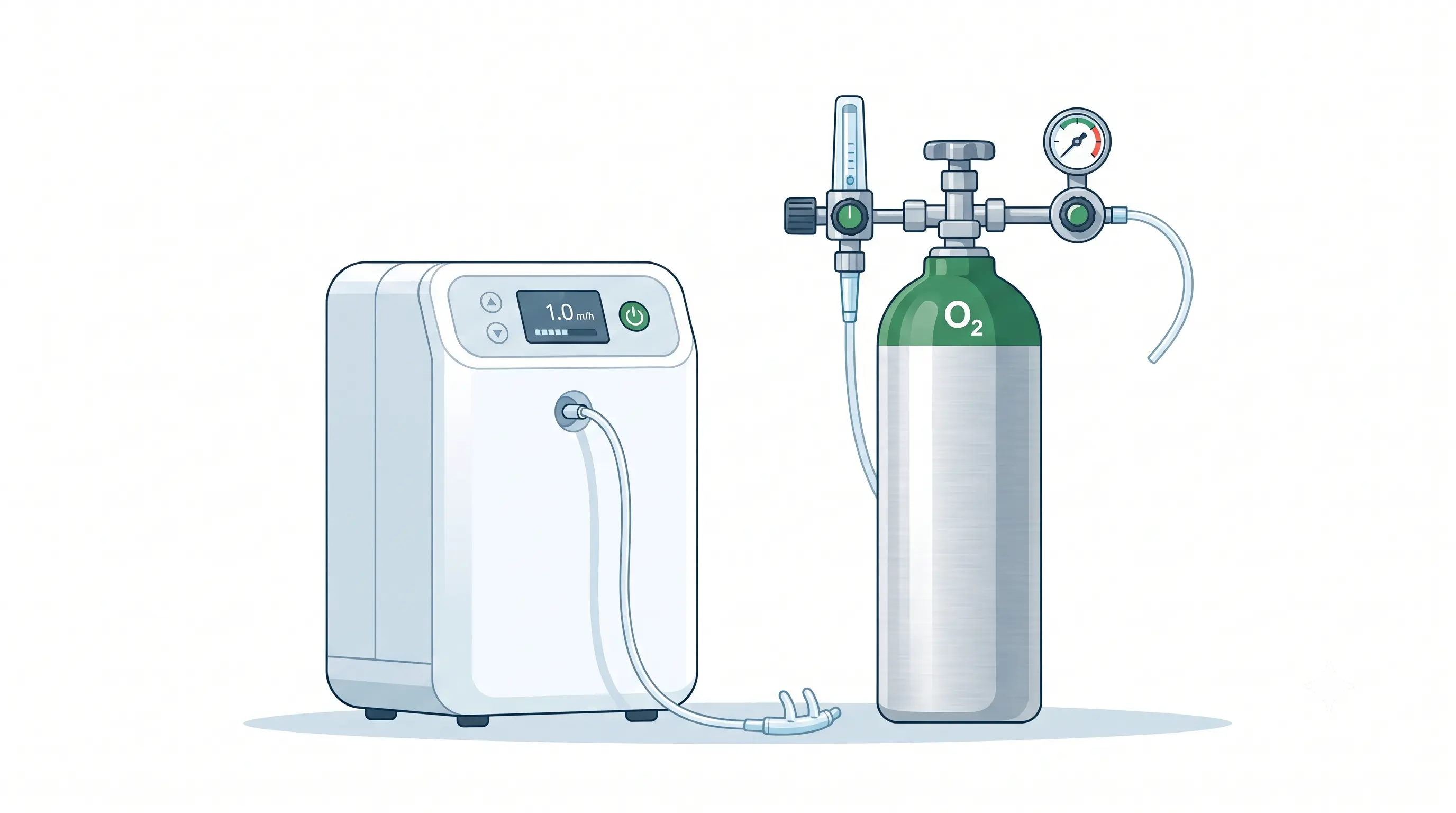
Oxygen tanks are aluminum or steel containers that hold oxygen compressed at high pressure. The oxygen is already loaded inside the cylinder. The supply is finite and is released in a controlled way through a flow regulator.
They come in different sizes depending on the use: large tanks for stationary home use can hold up to 6,000 liters, while portable aluminum cylinders are lighter and allow a few hours of mobility. Oxitesa and SBL Technologies supply cylinders for medical and industrial use in Argentina, Peru, Spain and Latin America.
Advantages
- Unlimited supply as long as it is plugged in
- No refills or scheduled deliveries needed
- More economical in the long run
- Lower risk of accidents (operates at low pressure)
- Built-in visual and audible alarms
- Portable models give the patient real mobility
Disadvantages
- Depends on the power grid, vulnerable to power outages
- Requires periodic filter maintenance
- Higher upfront investment than renting a tank
Home oxygen concentrator
An oxygen concentrator is an electrical device that draws in room air, filters out nitrogen and other gases, and delivers medical-grade oxygen to the patient at concentrations of 90 to 96%. It never needs refilling: as long as it is plugged in, it produces oxygen continuously and without limit.
There are two main categories:
- Stationary concentrators (5L and 10L): Designed for use at home. The OT Star 10L, available through SysMed USA, is a high-performance concentrator for patients with high oxygen requirements.
- Portable concentrators: Smaller and lighter, some under 3 kg (6.6 lb), designed so the patient can leave home while continuing oxygen therapy.

stationary oxygen concentrator available through SysMed USA
Concentrator advantages
- Unlimited supply as long as it is plugged in
- No refills or scheduled deliveries needed
- More economical in the long run
- Lower risk of accidents (operates at low pressure)
- Built-in visual and audible alarms
- Portable models give the patient real mobility
Concentrator disadvantages
- Depends on the power grid, so it is vulnerable to power outages
- Requires periodic filter maintenance
- Higher upfront investment than renting a tank
The three sources of home oxygen
In medical practice, there are three home oxygen supply systems:
- Compressed oxygen gas (tanks/cylinders): The most widespread option. Available nationwide and ideal as a backup. It is supplied by specialized providers such as Oxitesa, with a presence in Argentina and regional coverage.
- Electric oxygen concentrator: The most practical solution for chronic treatment. The OT Star (available through SysMed USA) comes in 5 and 10 liter per minute models for different clinical requirements.
- Liquid oxygen: Less common in private home care. Prepaid health plans usually provide a base reservoir installed in the home and a portable backpack unit for outings. It is flow efficient but more expensive and logistically complex.
When should you use each option? A guide by patient type
| Patient profile | Recommended option |
|---|---|
| Chronic treatment at home, without frequent outings | Stationary 5L or 10L concentrator |
| Active patient who goes out often | Portable concentrator + backup tank |
| Rural area or frequent power outages | Oxygen tank as the main source |
| Sleep apnea + respiratory failure | CPAP/BiPAP + concentrator |
| Occasional or emergency use | Portable aluminum tank |
| Post-surgery or temporary use | Rented home oxygen tank |
CPAP and BiPAP: when sleep apnea enters the equation
Not every patient with breathing problems needs oxygen. Many patients with obstructive sleep apnea do not need oxygen therapy but continuous positive pressure, which is exactly what CPAP and BiPAP provide.
CPAP
Continuous Positive Airway PressureHow it works: Continuous pressure that keeps the airways open during sleep.
Indicated for: Moderate to severe sleep apnea.
Patient profile: Sleep apnea diagnosis without other respiratory complications.
BiPAP
Bilevel Positive Airway PressureHow it works: Two pressure levels, one for inhaling and another for exhaling.
Indicated for: Severe apnea, advanced COPD or respiratory failure.
Patient profile: Patients who do not tolerate CPAP or who have complex conditions.
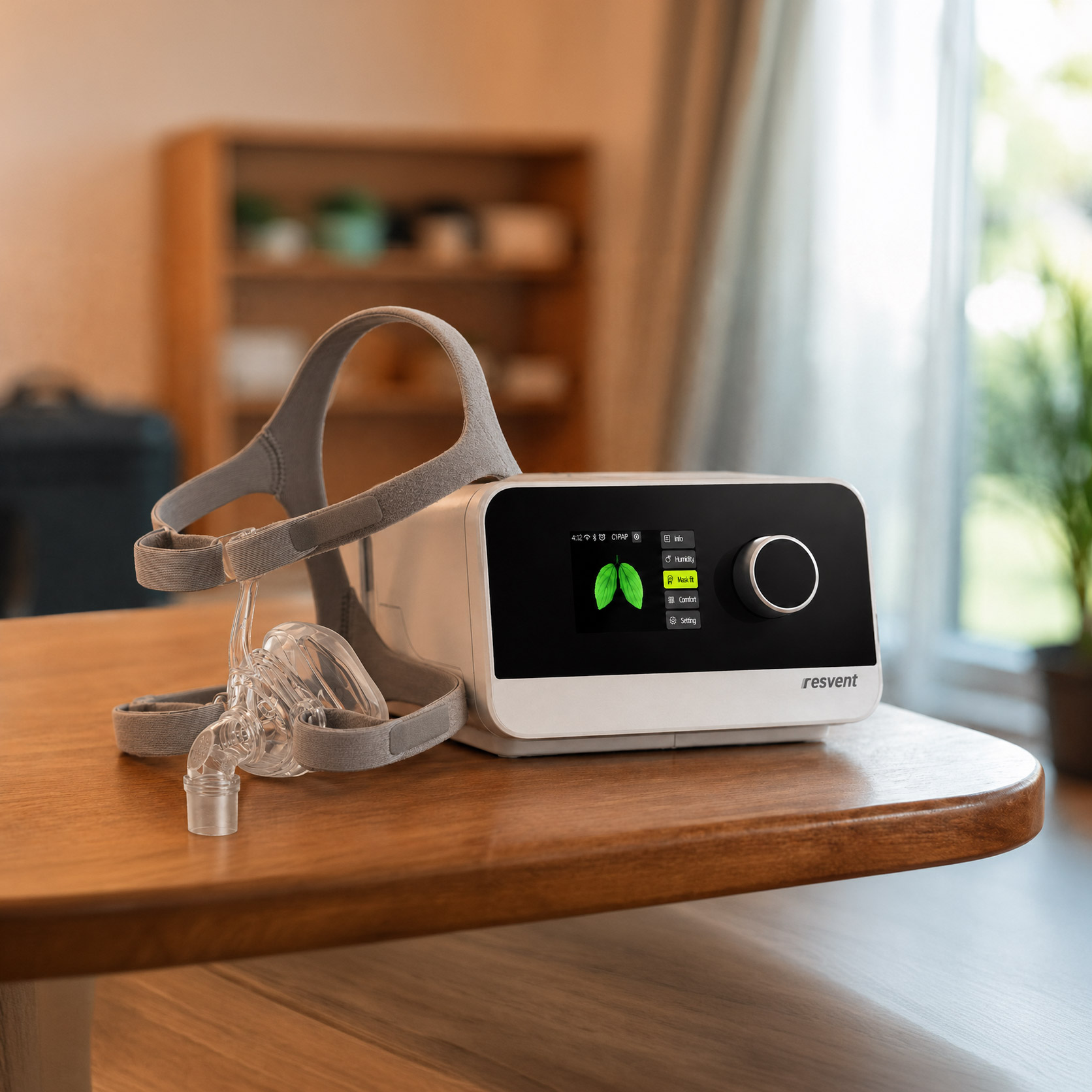
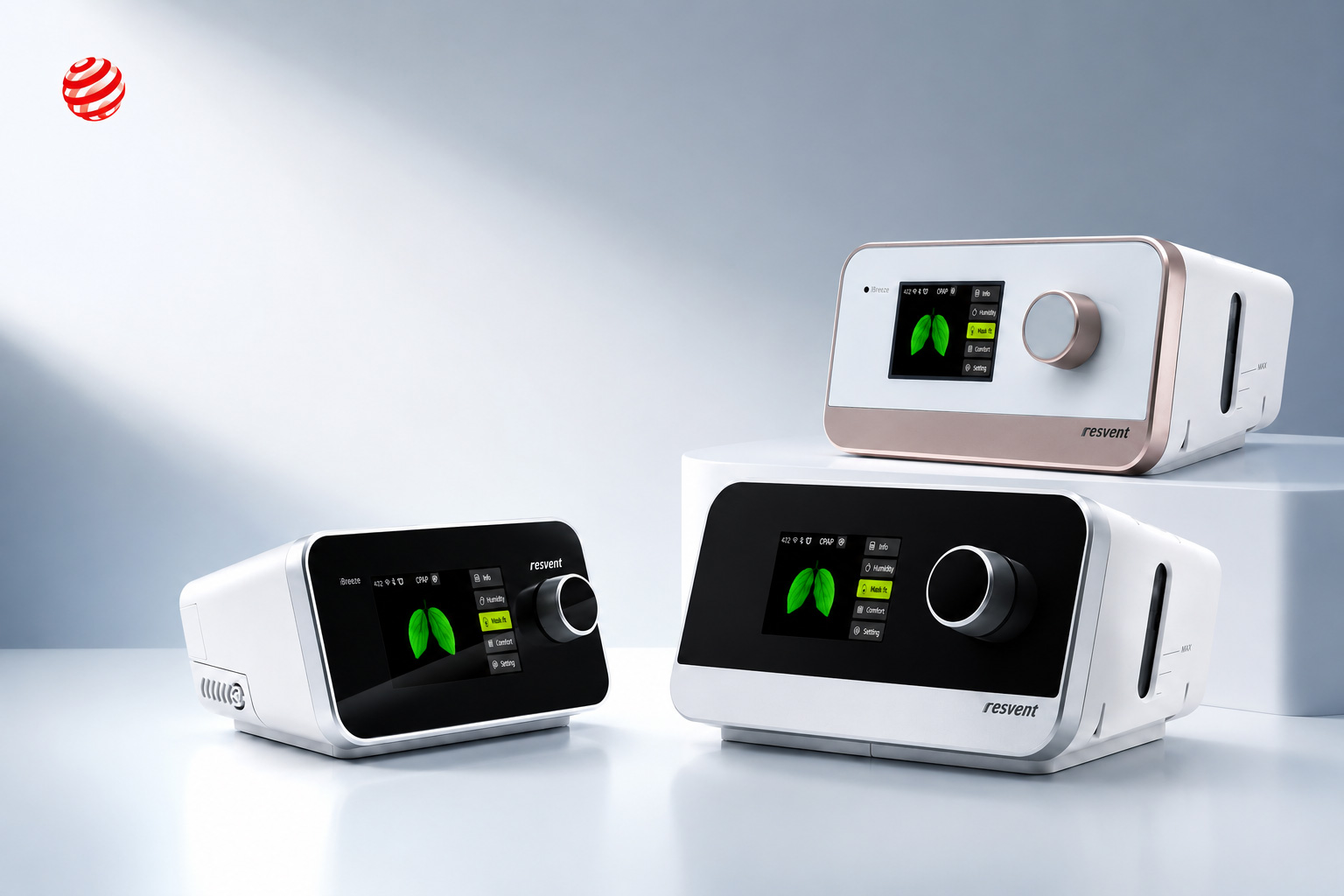
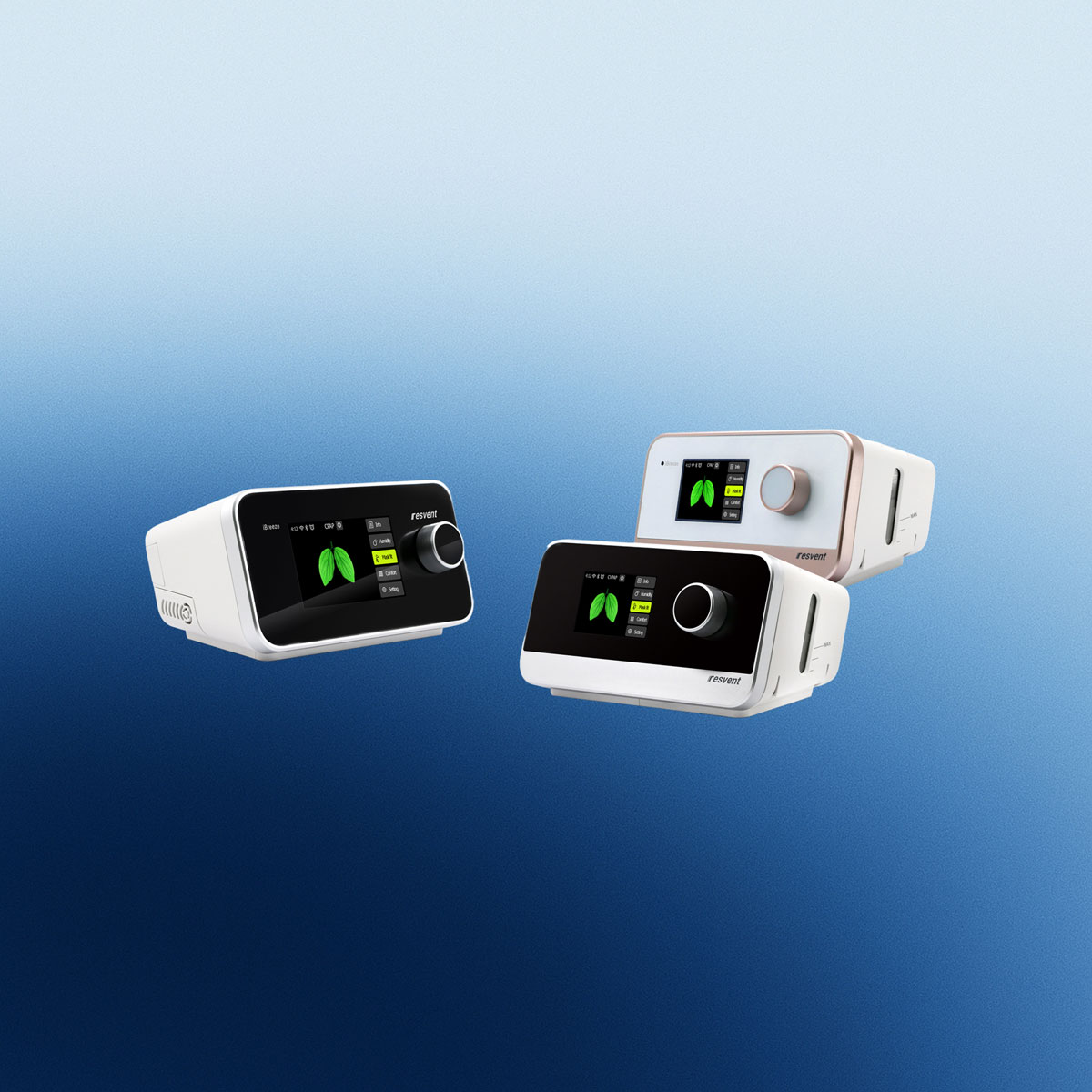
In some cases, the doctor may prescribe a combination of oxygen concentrator + CPAP, especially for patients with apnea and nighttime hypoxemia. SysMed USA distributes the Resvent iBreeze CPAP for the United States and Colombia markets.
Which is more economical in the long run?
Beyond the upfront cost, what matters is the total spend over the course of treatment:
| Oxygen tank | Concentrator | |
|---|---|---|
| Upfront investment | Low (rental or purchase) | Higher |
| Recurring cost | High (10 to 15 refills/month) | Low (electricity only) |
| Duration at 2 LPM | 2 to 3 days per cylinder | Unlimited with electricity |
| Logistics | Periodic refills and deliveries | No dependence on suppliers |
| Best for | Occasional use or backup | Chronic treatment (3+ months) |
The bottom line
There is no one-size-fits-all answer. The choice between a concentrator and a tank depends on your diagnosis, your routines, the infrastructure in your area and what your doctor recommends.
For chronic, continuous use at home, a concentrator is more convenient and cheaper in the long run. For mobility or as a backup during power outages, the portable aluminum tank is still hard to replace. Many patients end up using both: a concentrator at home and a tank for going out.
Where can you get this equipment?
- In Argentina and Spain: Oxitesa provides medical oxygen tanks, concentrators and home oxygen therapy equipment, with coverage in Argentina, Peru and Spain.
- High-pressure cylinders for LATAM: SBL Technologies supplies high-pressure cylinders for medical and industrial use in Latin America.
- For the United States and Colombia markets: SysMed USA distributes OT Star concentrators (5L and 10L) and iBreeze CPAP/BiPAP equipment for Spanish-speaking patients and distributors in LATAM.
Medical disclaimer: Always consult your pulmonologist before purchasing any oxygen therapy equipment. A medical prescription is essential to determine the flow rate, concentration and type of device that is right for you.
Article produced in collaboration between SysMed USA, Oxitesa and SBL Technologies.
Frequently Asked Questions
Can I use an oxygen concentrator during a power outage?
No. Home oxygen concentrators require a continuous electrical connection to operate: they extract oxygen from room air using an electric compressor. If the power goes out, the device stops.
That is why many patients keep a backup oxygen cylinder at home to cover power outages. If you live in an area with frequent outages, talk to your doctor about the most suitable backup system for your treatment.
Do I need a prescription to buy an oxygen concentrator?
Yes. In most Latin American countries, oxygen concentrators are medical devices that require a medical prescription for purchase and home use. The prescription must specify the oxygen flow rate in liters per minute (LPM) and the daily duration of treatment.
Buying a concentrator without a prescription and without medical guidance can be dangerous: the amount of oxygen needed depends on the diagnosis, and both insufficient and excessive flow can have clinical consequences. Always consult your pulmonologist before purchasing any oxygen therapy equipment.
What is the difference between a CPAP and an oxygen concentrator?
They are different treatments for different conditions.
Oxygen therapy delivers supplemental oxygen to patients with low blood oxygen levels (hypoxemia), as seen in advanced COPD, respiratory failure, or pulmonary fibrosis. The device concentrates oxygen from the air and delivers it to the patient through a nasal cannula.
CPAP and BiPAP treat obstructive sleep apnea with positive pressure: they keep the airway open during sleep without adding oxygen. The air they deliver is the same as room air, not concentrated oxygen.
In some cases, a physician may prescribe both treatments at the same time: a CPAP for the apnea plus an oxygen concentrator for the associated nighttime hypoxemia.